Mastering the Margarita: From Classic to Creative Variations
Perfect the classic Margarita with the right tequila, fresh lime juice, and quality orange liqueur. Learn variations including Tommy's, frozen, and fruit Margaritas.
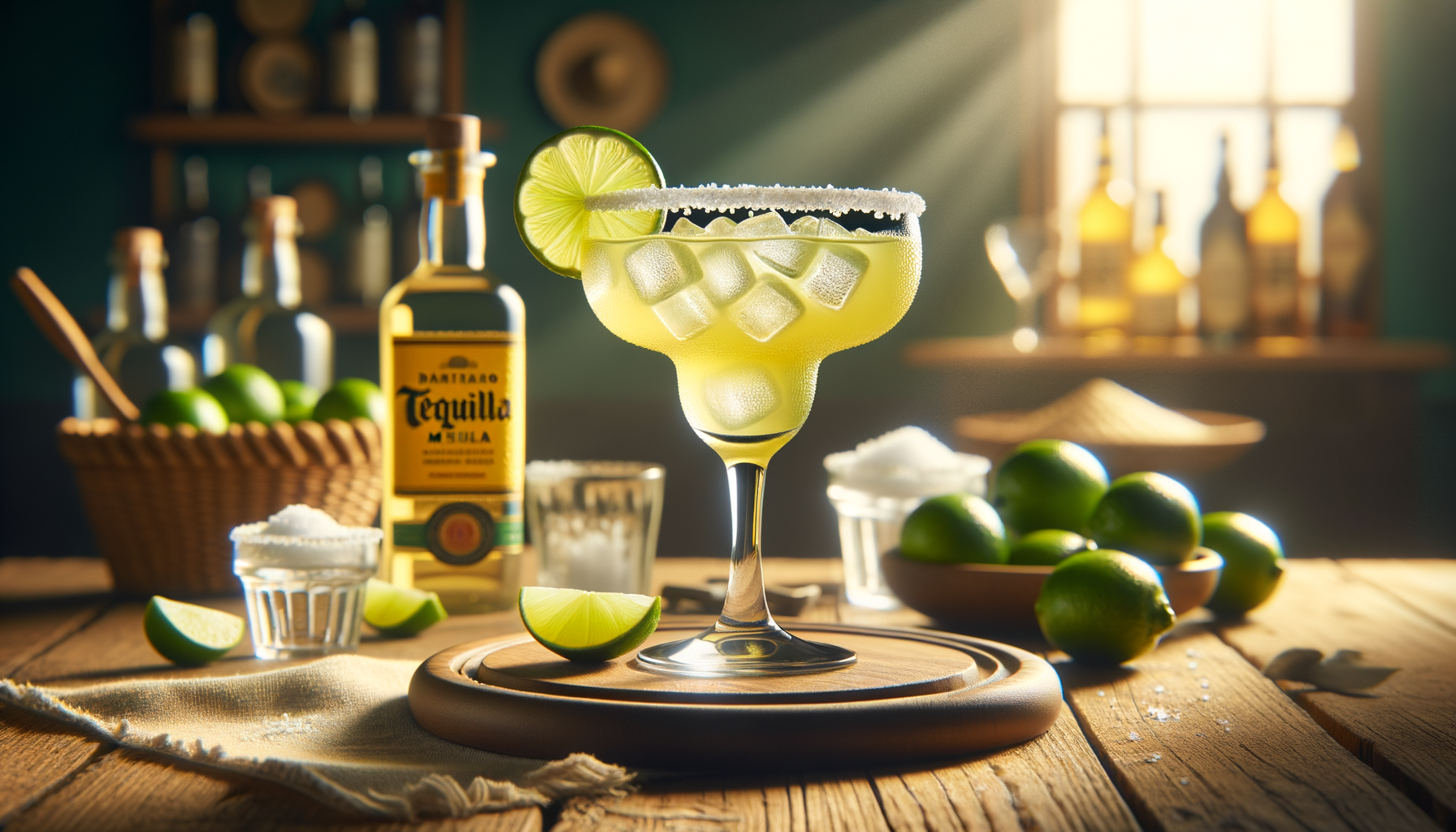
Mastering the Margarita: From Classic to Creative Variations
The Margarita stands as one of the world's most popular cocktails, yet paradoxically, one of the most abused. From frozen slushies to overly sweet mixes, many versions bear little resemblance to the elegant, balanced drink that made this cocktail famous. Understanding the classic Margarita—its proper proportions, quality ingredients, and simple technique—transforms this from a beach party staple into sophisticated cocktail-making.
Whether you prefer yours frozen, on the rocks, or straight up, with salt or without, the Margarita's versatility and crowd-pleasing character make it essential for any home bartender's repertoire.
The Margarita's Mysterious Origins
Like many classic cocktails, the Margarita's exact origins remain disputed. Multiple stories claim invention:
Carlos "Danny" Herrera (Rancho La Gloria, Tijuana, 1938) allegedly created it for a customer allergic to all spirits except tequila.
Margarita Sames (Acapulco, 1948) claimed to have invented it at a party for friends.
Tommy's Place bartender Julio Bermejo modernized it in the 1990s with his now-famous Tommy's Margarita variation.
Whatever the true origin, the Margarita emerged from the tequila renaissance of mid-20th century America, capitalizing on the nation's growing appreciation for this Mexican spirit. By the 1970s, frozen Margarita machines made it a mainstream phenomenon—though not always for the better.
The Classic Margarita Formula
At its core, the Margarita is beautifully simple:
- 2 oz tequila (blanco/silver)
- 1 oz fresh lime juice
- 1 oz orange liqueur (Cointreau or quality triple sec)
This 2:1:1 ratio creates perfect balance—tequila's agave character shines, lime provides tartness, orange liqueur adds sweetness and depth. Shaken with ice, served in a salt-rimmed glass (optional), garnished with lime wheel.
Some bartenders adjust slightly:
- 2:1:0.75 (less orange liqueur for drier profile)
- 2:0.75:0.75 (less liquid for stronger, more spirit-forward drink)
- Tommy's Margarita: 2 oz tequila, 1 oz lime, 0.5 oz agave nectar (no orange liqueur)
Start with the classic 2:1:1, then experiment based on preference.
Ingredients: Quality Matters Enormously
Tequila: The Foundation
Use 100% agave tequila, preferably blanco (unaged). Mixto tequilas (only 51% agave) create harsh, unbalanced Margaritas that give the drink a bad reputation.
Quality blancos for Margaritas:
- Budget: Espolòn, Olmeca Altos, El Jimador
- Mid-range: Herradura Silver, Fortaleza Blanco, Cazadores
- Premium: Patrón Silver, Don Julio Blanco (though premium is often wasted in mixed drinks)
Reposado tequila works beautifully for richer, more complex Margaritas. The light oak aging adds vanilla and caramel notes that create different (not better, just different) character.
Orange Liqueur: Worth the Investment
The orange liqueur dramatically impacts quality. Options include:
Cointreau: Premium triple sec, the gold standard. Clean orange flavor without excessive sweetness. Worth the investment.
Grand Marnier: Cognac-based orange liqueur. Richer, more complex, creates luxurious Margaritas. Use the standard Grand Marnier, not Cordon Rouge, for better balance.
Pierre Ferrand Dry Curaçao: Excellent alternative to Cointreau, slightly more bitter-orange character.
Triple Sec: Generic orange liqueurs vary wildly in quality. Some work fine; many taste artificial. If using triple sec, taste it first—if it doesn't taste good alone, it won't improve in a Margarita.
Avoid bottom-shelf orange liqueurs. The $15-20 investment in Cointreau pays dividends in dramatically better Margaritas.
Lime Juice: Fresh or Nothing
Never use bottled lime juice. The flavor difference between fresh-squeezed and bottled is night and day. Fresh lime juice is bright, tart, aromatic. Bottled tastes flat and artificial.
Buy fresh limes, roll them on the counter to release juice, then squeeze. It takes 5 minutes and transforms your Margaritas. No exceptions.
Store fresh lime juice refrigerated for up to 24 hours maximum. Beyond that, it loses brightness.
Ice: Surprisingly Important
For shaken Margaritas, use solid ice cubes, not crushed ice or small cubes from refrigerator ice makers. Large, hard ice chills without excessive dilution.
For frozen Margaritas, crushed ice or small cubes work better for blending.
Salt: Optional but Classic
The salt rim isn't required—many prefer Margaritas without. If using salt:
- Use kosher salt or sea salt, not table salt (tastes metallic)
- Half-rim allows tasting with and without salt
- Quality salt (Maldon, fleur de sel) for premium versions
Salt enhances the drink's flavors through contrast while providing textural interest.
Technique: Making Perfect Margaritas
Classic Shaken Margarita
- Salt the rim (if desired): Rub lime wedge around half the glass rim, dip in salt
- Combine ingredients in cocktail shaker with ice
- Shake vigorously for 10-15 seconds
- Strain into prepared glass over fresh ice (rocks) or serve up (no ice)
- Garnish with lime wheel or wedge
The vigorous shaking achieves proper dilution (15-20% water) and temperature while creating slight froth that adds textural appeal.
Frozen Margarita
- Combine 2 oz tequila, 1 oz lime juice, 1 oz Cointreau, 1 cup ice in blender
- Blend until smooth
- Adjust consistency with more ice (thicker) or liquid (thinner)
- Serve in salt-rimmed glass, garnish with lime
Quality frozen Margaritas use fresh ingredients and proper ratios—they're not sugary slushies but refreshing, balanced drinks in frozen form.
Up vs. On the Rocks vs. Frozen
Up (no ice): Most elegant presentation, showcases quality ingredients, but drink warms quickly
On the Rocks: Classic service, stays cold longer, gradual dilution as ice melts
Frozen: Refreshing, crowd-pleasing, perfect for hot weather, requires blender
All three are valid. Choose based on preference and situation.
Classic Variations
Tommy's Margarita
Created by Julio Bermejo at Tommy's Mexican Restaurant (San Francisco), this variation replaces orange liqueur with agave nectar:
- 2 oz tequila (blanco or reposado)
- 1 oz fresh lime juice
- 0.5 oz agave nectar
This showcases tequila's agave character more directly, creating a cleaner, more spirit-forward drink. Many tequila purists prefer this version.
Cadillac Margarita
Upgraded Margarita using premium ingredients:
- 2 oz reposado or añejo tequila
- 1 oz fresh lime juice
- 0.75 oz Grand Marnier
- 0.25 oz agave nectar
Float additional Grand Marnier on top for visual appeal and enhanced orange flavor.
Skinny Margarita
Lower-calorie version using:
- 2 oz tequila blanco
- 1 oz fresh lime juice
- 0.5 oz fresh orange juice
- 0.25 oz agave nectar (or to taste)
Eliminates orange liqueur, reducing calories while maintaining flavor through fresh orange juice.
Spicy Margarita
Add heat through jalapeño:
- Classic Margarita recipe
- 2-3 jalapeño slices muddled before shaking
- Or rim with chili-salt blend
The capsaicin enhances tequila's flavor while adding complexity.
Fruit Variations: When Done Right
Fruit Margaritas get a bad rap due to artificial mixes, but quality versions using fresh fruit are excellent:
Strawberry Margarita
- 2 oz tequila
- 1 oz lime juice
- 0.75 oz Cointreau
- 3-4 fresh strawberries, muddled
- 0.25 oz simple syrup (if needed)
Muddle strawberries before adding other ingredients, shake, double-strain to remove seeds.
Mango Margarita
- 2 oz tequila
- 1 oz lime juice
- 1 oz fresh mango purée
- 0.5 oz Cointreau
- 0.25 oz agave nectar
Watermelon Margarita
Perfect for summer:
- 2 oz tequila
- 1 oz lime juice
- 2 oz fresh watermelon juice
- 0.75 oz Cointreau
The key with fruit variations: use fresh fruit and maintain balance. Fruit adds sweetness, so reduce or eliminate added sweeteners.
Margarita Mistakes to Avoid
Using mixto tequila: Bottom-shelf tequila creates harsh, unpleasant drinks. Invest in 100% agave.
Bottled lime juice: This single change improves Margaritas more than any other adjustment.
Too much simple syrup/mix: Classic Margaritas don't need added sweetness beyond orange liqueur. Over-sweetening masks other flavors.
Wrong glassware: While not critical, proper glassware enhances the experience. Use rocks glasses, coupe glasses, or traditional Margarita glasses.
Over-blending frozen Margaritas: Creates watery drinks. Blend just until smooth.
Skipping the shake: Proper shaking achieves necessary dilution and temperature.
Pairing Margaritas with Food
Margaritas naturally complement Mexican cuisine but work wonderfully with:
Obvious Pairings: Tacos, quesadillas, ceviche, guacamole, nachos
Less Obvious: Thai food, sushi, grilled chicken or fish, summer salads
The lime's acidity and tequila's brightness cut through rich, fatty foods while complementing spicy flavors beautifully.
Batch Margaritas for Parties
For serving crowds, pre-batch Margaritas:
For 10 servings:
- 20 oz tequila
- 10 oz fresh lime juice (squeeze day-of for freshness)
- 10 oz Cointreau
- Combine in pitcher, refrigerate
When serving, shake individual portions with ice or pour over ice. Don't add ice to the entire batch (creates excess dilution).
The Margarita Renaissance
While frozen Margarita machines dominated the 1980s-90s, the craft cocktail movement rehabilitated the Margarita's reputation. Bartenders returned to fresh ingredients, quality tequila, and proper technique, reminding drinkers what made this cocktail famous originally.
Tommy's Margarita, in particular, showcased how a simple, quality-focused approach could elevate a classic. Today, you'll find excellent Margaritas at craft cocktail bars alongside Old Fashioneds and Negronis—a far cry from the frozen, artificially-flavored versions that once defined the drink.
Building Your Margarita Bar
Essential:
- Quality blanco tequila (Espolòn, Olmeca Altos)
- Cointreau
- Lime squeezer
- Cocktail shaker
- Rocks glasses
Upgrades:
- Reposado tequila for variation
- Grand Marnier for Cadillac Margaritas
- Blender for frozen versions
- Quality salt for rimming
Keep stocked: Fresh limes (always), quality ice
The Perfect Summer Cocktail
The Margarita's enduring popularity isn't accidental. It's refreshing without being watery, it showcases a distinctive spirit without overwhelming, it's complex enough for cocktail enthusiasts yet approachable for casual drinkers, and it scales from single servings to party batches effortlessly.
Whether you're making classic Margaritas for Cinco de Mayo, experimenting with fruit variations, or perfecting Tommy's version, understanding this drink's fundamentals ensures success. Explore more tequila cocktails or create custom variations based on the Margarita template.
Start with the classic: quality blanco tequila, fresh lime juice, Cointreau, proper technique. Master that foundation, then explore variations knowing you understand what makes a great Margarita great.
Here's to the Margarita—proof that simple ingredients, properly balanced and executed, create timeless classics. ¡Salud!
Use Elixiary for this
Put what you learned into practice
Jump into Elixiary tools and make a drink now.