Mojito Perfection: Muddling, Mint, and Cuban Tradition
Master the Mojito with proper muddling technique, fresh mint, and quality rum. Learn Cuban tradition, variations, and why gentle muddling prevents bitterness.
Mojito Perfection: Muddling, Mint, and Cuban Tradition
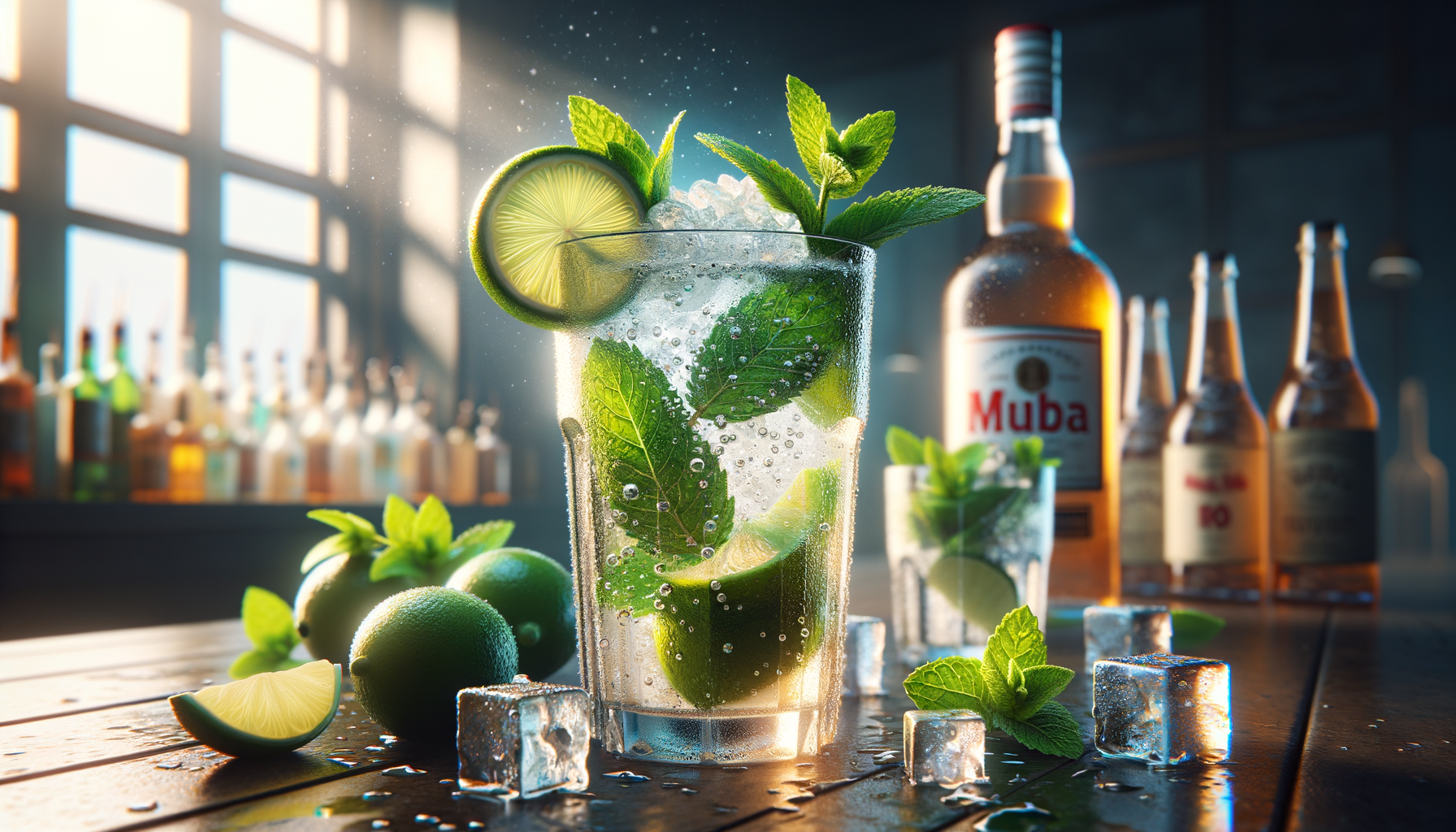
The Mojito embodies summer in a glass—refreshing mint, bright lime, gentle sweetness, and rum's tropical warmth topped with sparkling soda water. This Cuban classic has conquered the world, becoming synonymous with beach vacations, rooftop bars, and hot weather refreshment. Yet making a truly excellent Mojito requires understanding a crucial technique: proper muddling that releases mint's essential oils without creating bitterness.
Master the Mojito and you've learned an essential skill applicable to countless cocktails. It's approachable enough for beginners yet nuanced enough to separate good from great execution.
Cuban Heritage: From Havana to the World
The Mojito's exact origins remain disputed, but its Cuban roots are undeniable. Some trace it to "El Draque" (named after Francis Drake), a 16th-century mixture of aguardiente, lime, sugar, and mint used for medicinal purposes. Others credit La Bodeguita del Medio in Havana, where Ernest Hemingway famously declared, "My mojito in La Bodeguita, my daiquiri in El Floridita."
Regardless of precise origins, the Mojito emerged from Cuba's tradition of mixing rum with fresh tropical ingredients. While rum evolved from rough aguardiente to refined spirits, the combination of rum, lime, mint, and sugar remained constant—ingredients perfectly suited to Cuba's climate and agricultural bounty.
The drink spread globally in the late 20th century, particularly during the cocktail renaissance when fresh ingredients and classic recipes regained popularity. Today, the Mojito ranks among the world's most ordered cocktails, though quality varies wildly based on ingredient freshness and technique.
The Classic Mojito Formula
At its foundation, the Mojito is beautifully straightforward:
- 2 oz white rum
- 1 oz fresh lime juice
- 0.75 oz simple syrup (or 2 tsp white sugar)
- 8-10 fresh mint leaves
- Soda water (2-3 oz)
- Crushed ice
The method matters as much as ingredients:
- Gently muddle mint leaves with sugar/simple syrup in glass
- Add lime juice and rum
- Fill glass with crushed ice
- Top with soda water
- Stir gently
- Garnish with mint sprig and lime wheel
This build-in-glass approach differs from shaken cocktails, creating Mojito's characteristic layered refreshment.
The Art of Muddling: Technique That Matters
Muddling makes or breaks Mojitos. The goal: release mint's essential oils without shredding leaves or extracting bitter chlorophyll.
Proper Muddling Technique
Press, don't pulverize: Place mint leaves in glass, add sugar/syrup, then press gently with muddler using a turning motion. 3-4 gentle presses suffice.
Think bruising, not destroying: You want to bruise leaves enough to release oils, not tear them apart. Aggressive muddling creates bitter, vegetal flavors.
Wooden muddle: Flat wooden muddlers work best—they provide proper surface area without tearing leaves like teeth or ridged muddlers might.
Signs of Proper Muddling
- Mint aroma immediately noticeable
- Leaves appear bruised but largely intact
- Liquid shows light green tint but isn't cloudy with leaf particles
- First sip tastes fresh and minty without bitterness
Common Muddling Mistakes
Over-muddling: Destroying leaves releases bitter compounds. If your Mojito tastes bitter or vegetal, you've over-muddled.
Using the wrong tool: Cocktail shakers, spoons, or knives don't provide proper muddling surface. Invest in a simple wooden muddler.
Muddling in wrong order: Add sugar/syrup before muddling—it provides cushion that prevents leaf destruction.
Rum Selection: Foundation of Flavor
White Rum: The Classic Choice
Traditional Mojitos use white (light/silver) rum—its clean character allows mint and lime to shine.
Quality white rums for Mojitos:
- Cuban-style: Havana Club 3 Year (if available), smooth and authentic
- Spanish-style: Bacardi Superior, Flor de Caña 4 Year, Don Q Cristal
- Light agricole: Clement Blanc (for funkier variation)
Avoid flavored rums (coconut, vanilla)—they conflict with mint's freshness.
Dark Rum: Rich Variation
Some prefer dark rum Mojitos—the molasses and oak flavors create richer, more complex drinks perfect for cooler weather.
Use slightly less simple syrup with dark rum (0.5 oz instead of 0.75 oz) since aging adds natural sweetness.
Good choices: Appleton Estate Signature, Mount Gay Eclipse
Combination: Best of Both
Many bartenders use combination:
- 1.5 oz white rum + 0.5 oz dark rum
This provides complexity while maintaining refreshment.
Mint: Freshness Mandatory
The mint makes the Mojito. Quality and freshness matter enormously.
Choosing Mint
Spearmint: Traditional choice, sweeter and more delicate than peppermint Peppermint: Stronger, more menthol character—use sparingly or avoid in Mojitos Chocolate mint, apple mint: Interesting variations for experimentation
Always use fresh mint. Dried mint lacks essential oils and creates medicinal rather than fresh flavors.
Storing Mint
- Store stems in water like flowers
- Change water daily
- Use within 3-4 days of purchase
- Don't refrigerate in plastic bags (promotes wilting)
Testing Freshness
Fresh mint smells vibrant when gently pressed. If it smells weak, musty, or doesn't smell at all, it's past prime.
Ice: Crushed for Proper Dilution
Mojitos traditionally use crushed ice rather than cubes. The increased surface area provides:
- Rapid chilling
- Proper dilution as ice melts
- Textural appeal—sipping through crushed ice adds to experience
Make crushed ice by:
- Ice crusher (easiest)
- Blender (pulse ice briefly)
- Lewis bag and mallet (traditional method)
- Plastic bag and rolling pin (works in a pinch)
If using regular ice cubes, the drink won't dilute properly and won't achieve that slushy, ultra-cold Mojito character.
Soda Water: The Sparkle
Use quality soda water—cheap club soda tastes flat. The carbonation provides effervescence that makes Mojitos refreshing rather than cloying.
Good options: Topo Chico, Fever-Tree Soda Water, Q Soda, fresh soda from soda siphon
Top the drink with 2-3 oz soda, stir gently once, serve immediately. Don't over-stir or you'll lose carbonation.
Classic Variations
Strawberry Mojito
Add 3-4 fresh strawberries:
- Muddle strawberries with mint and sugar
- Continue as classic recipe
- Reduce simple syrup slightly (strawberries add sweetness)
Pineapple Mojito
- 2 oz white rum
- 1 oz fresh lime juice
- 1 oz fresh pineapple juice
- 0.5 oz simple syrup
- Mint, soda, crushed ice
The pineapple's tropical sweetness pairs naturally with rum and mint.
Watermelon Mojito
Perfect for summer:
- 2 oz white rum
- 1 oz lime juice
- 2 oz fresh watermelon juice
- 0.5 oz simple syrup
- Mint, soda, crushed ice
Mojito Royale
Replace soda water with Champagne or Prosecco for celebratory variation. Use slightly more mint to stand up to sparkling wine's character.
Virgin Mojito
Simply omit rum—what remains (mint, lime, sugar, soda) creates refreshing mocktail. Consider adding muddled cucumber for extra complexity.
Common Mojito Mistakes
Dried or old mint: Creates medicinal, unpleasant flavor. Fresh mint mandatory.
Over-muddling: The single most common error. Be gentle.
Wrong rum: Spiced rum, coconut rum, or aged rum (without adjusting sweetness) throws off balance.
Bottled lime juice: As always, fresh lime juice transforms the drink.
Flat soda water: Old or cheap soda removes the refreshing sparkle that defines Mojitos.
Regular ice instead of crushed: Creates different drink entirely—not necessarily bad, but not traditional.
Too much or too little mint: 8-10 leaves creates proper balance. More isn't better.
Pairing Mojitos with Food
Mojitos' refreshing character pairs wonderfully with:
Cuban cuisine: Naturally—roast pork, black beans and rice, Cuban sandwich, yuca
Seafood: Grilled fish, shrimp, ceviche, fish tacos
Spicy food: Caribbean, Mexican, or Thai dishes benefit from Mojito's cooling effect
Summer fare: Grilled chicken, fresh salads, light appetizers
The mint and carbonation cleanse the palate while lime's acidity cuts through rich foods.
Batch Mojitos for Parties
For crowds, prepare components ahead:
Per serving:
- Muddle mint with sugar in individual glasses before guests arrive
- Keep lime juice fresh
- Have rum measured in bottles or pitchers
- Provide crushed ice station
- Let guests top with soda
Don't pre-mix entire Mojitos—they lose carbonation and mint browns. Prepare components, assemble fresh.
The Mojito's Global Reach
From Cuban origins to worldwide phenomenon, the Mojito represents Cuba's cocktail contribution to global drinking culture. While political changes made authentic Cuban rum difficult to obtain in some markets, the drink's appeal transcends specific brand loyalty.
The cocktail renaissance embraced Mojitos as bartenders returned to fresh ingredients and proper technique. Today's Mojito culture ranges from carefully crafted versions in craft cocktail bars to beach-bar interpretations—quality varies, but the drink's essential appeal remains constant.
Beyond the Mojito: The Mint Family
Understanding Mojitos opens doors to other mint-forward cocktails:
Mint Julep: Bourbon, mint, sugar, crushed ice (no lime, no soda) Southside: Gin, lime, mint, simple syrup (shaken, served up—like minty Gimlet) Grasshopper: Crème de menthe, crème de cacao, cream (dessert cocktail)
The muddling technique learned making Mojitos applies across cocktail-making.
Building Your Mojito Bar
Essential:
- Quality white rum
- Fresh mint (buy weekly or grow your own)
- Fresh limes
- Simple syrup or white sugar
- Wooden muddler
- Soda water
- Ice crusher or method to make crushed ice
- Highball or Collins glasses
Upgrades:
- Multiple rums for experimentation
- Mint varieties for flavor variation
- Soda siphon for fresh carbonation
- Quality soda water brands
Growing Your Own Mint
Mint grows easily in most climates:
- Plant in pots (it spreads aggressively in ground)
- Partial sun to full sun
- Keep soil moist
- Harvest regularly to encourage growth
- Bring indoors in winter or treat as annual
Fresh-cut mint from your garden in homemade Mojitos is cocktail paradise.
The Perfect Summer Refresher
Few cocktails refresh like well-made Mojitos. The combination of cold crushed ice, effervescent soda, fresh mint, and bright lime creates something greater than ingredients suggest. Whether you're making classic versions on a hot afternoon or experimenting with fruit variations for parties, mastering this drink teaches technique applicable throughout cocktail-making.
Explore more rum cocktails or create custom mint-forward variations based on the Mojito template.
Start with the classic: quality white rum, fresh mint (gently muddled), fresh lime, simple syrup, soda water, crushed ice. Perfect that foundation—each element matters, technique transforms good ingredients into great drinks.
As Hemingway knew, a perfect Mojito at La Bodeguita del Medio represents cocktail perfection. While you might not be in Havana, with fresh ingredients and proper technique, you can create that same refreshing excellence anywhere. Salud!
Use Elixiary for this
Put what you learned into practice
Jump into Elixiary tools and make a drink now.