
Arak, rakı and ouzo share an anise-led connection, but they do not share one universal serving ratio or one national story. Keep the name, producer and setting visible. This guide compares three documented product examples rather than issuing rules for an entire region.
Lebanese arak: retain the producer's ratio
Château Ksara's Ksarak listing recommends one third arak and two thirds water. That is one part arak to two parts water. For a modest arithmetic example, 20 ml arak plus 40 ml water gives 60 ml before any ice melt; it does not remove the alcohol in the original pour.
Use drinking water, the actual bottle and the producer's full service information. Do not borrow a retailer's different dilution and attribute it to Ksara. A named example cannot establish how every Levantine household or restaurant serves arak.
Turkish rakı: order as well as amount
Yeni Rakı's serving page describes rakı first, water slowly second, then ice. It gives equal volumes of water and rakı as its traditional serving example and places the drink alongside meze. The source also identifies the grape-and-anise production context.
That one-to-one example differs from the Ksarak example. There is no need to reconcile them into one supposed Mediterranean standard. Follow the chosen product's directions and the guest's preference.
Greek ouzo: several producer presentations
Ouzo 12's German serving page describes chilled neat service, service over ice and service with cold water. It notes the characteristic milky clouding with water, without giving a single measured water ratio for every case.
Do not invent an exact quantity where the source leaves a preference. If a bar needs a repeatable mixed specification, write its measured house serve separately and identify it as such.
Build a clear service record
| Check | What to retain |
|---|---|
| Product | Full name, expression and ABV |
| Water | Measured amount or clearly stated guest choice |
| Order | Product-specific order of water and ice |
| Vessel | Suitable glass with room for the complete serve |
| Food | Actual dishes offered, not a promise of universal pairing |
| Guest choice | Preferred serve, or no alcohol |
The clouding is part of the expected diluted appearance. It is not an alcohol test or a quality score. Water changes concentration; it does not cancel the poured alcohol.
Hospitality without a performance
Ask what the guest would like and explain the bottle briefly. “Would you prefer it with the producer's water serve, or something without alcohol?” is enough. Do not require a toast, insist on another pour or assume a person's preference from nationality or religion.
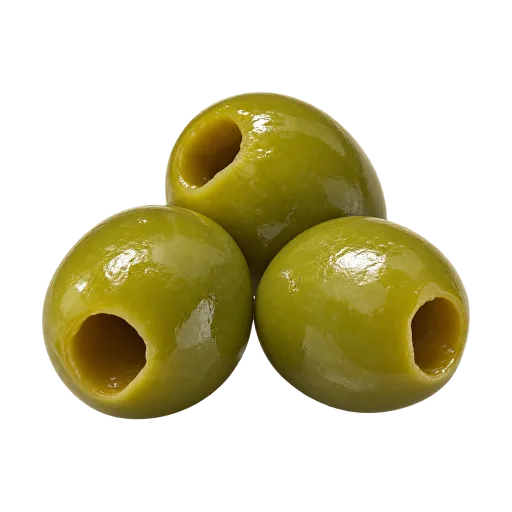
Meze and related food traditions deserve specific names and sources. Olives in a photograph cannot stand for every regional meal. Keep food allergens and drink ingredient information available together, including any changed garnish.
For the choice between a pre-meal and after-meal serve, the aperitif and digestif guide supplies the broader menu context. Keep each product's water and ice directions with its own serving record.
FAQs
Should all three use the same water ratio?
No. The cited producers give different presentations.
Does cloudy mean alcohol-free?
No. Dilution changes concentration, not the amount of alcohol already poured.
Must guests follow one ceremonial drinking style?
No. Explain the chosen source and respect the guest's preference and decision not to drink.