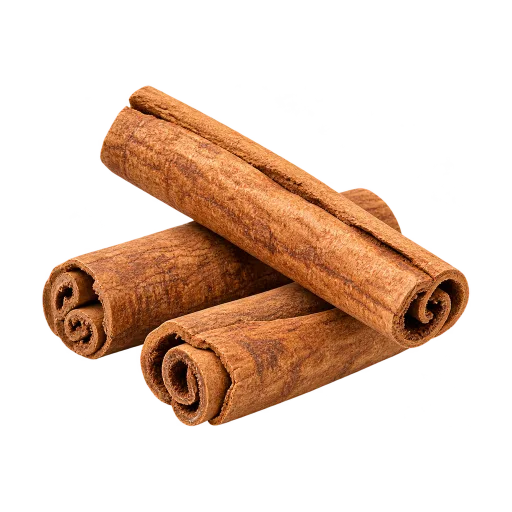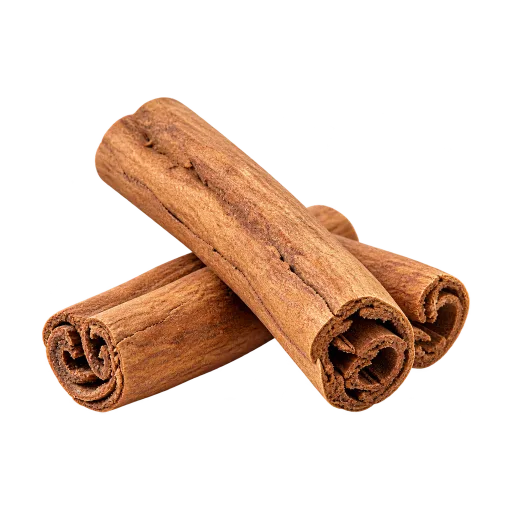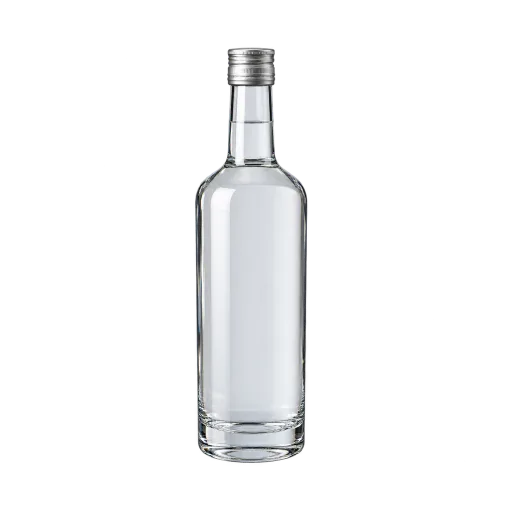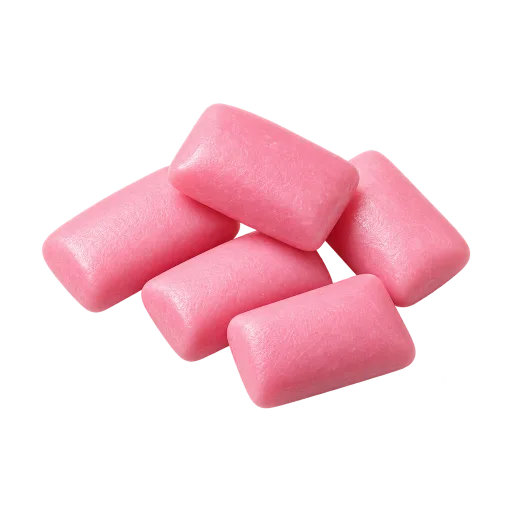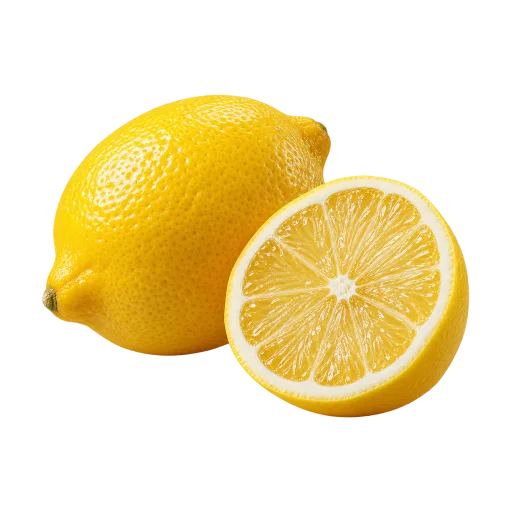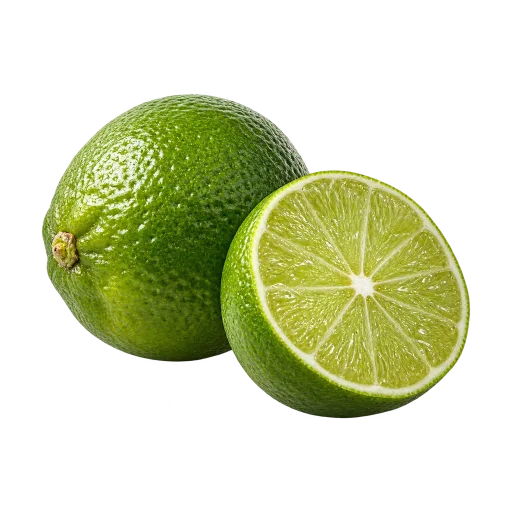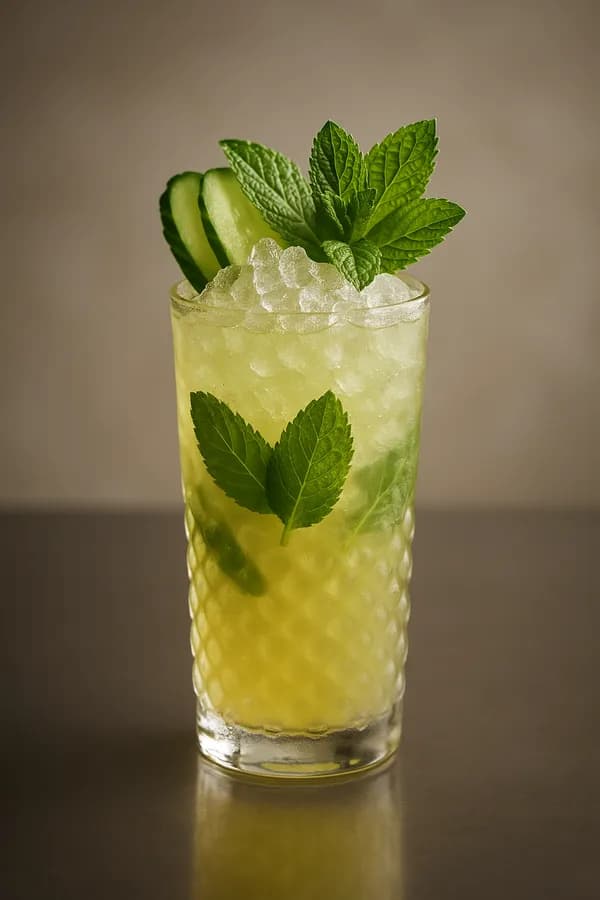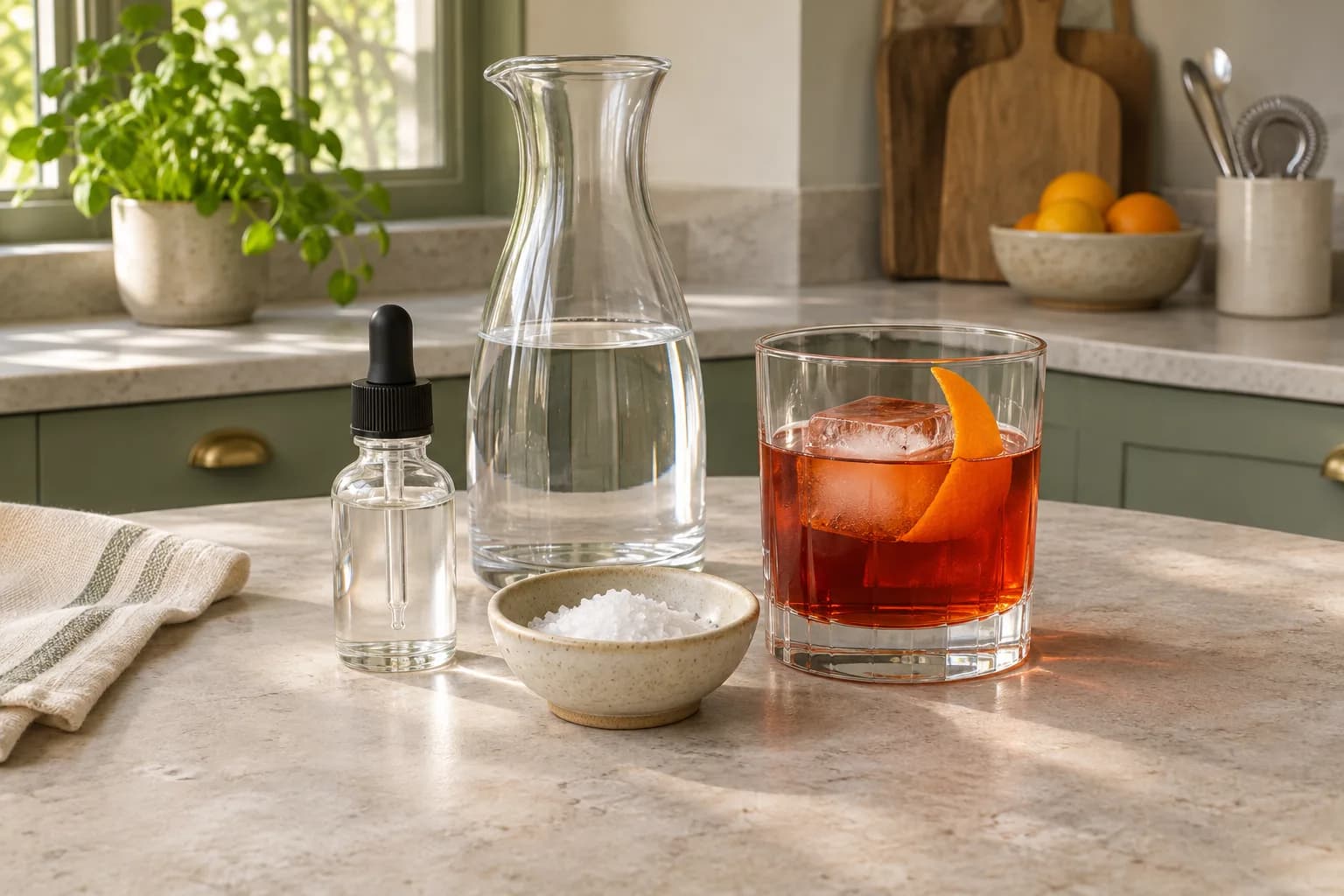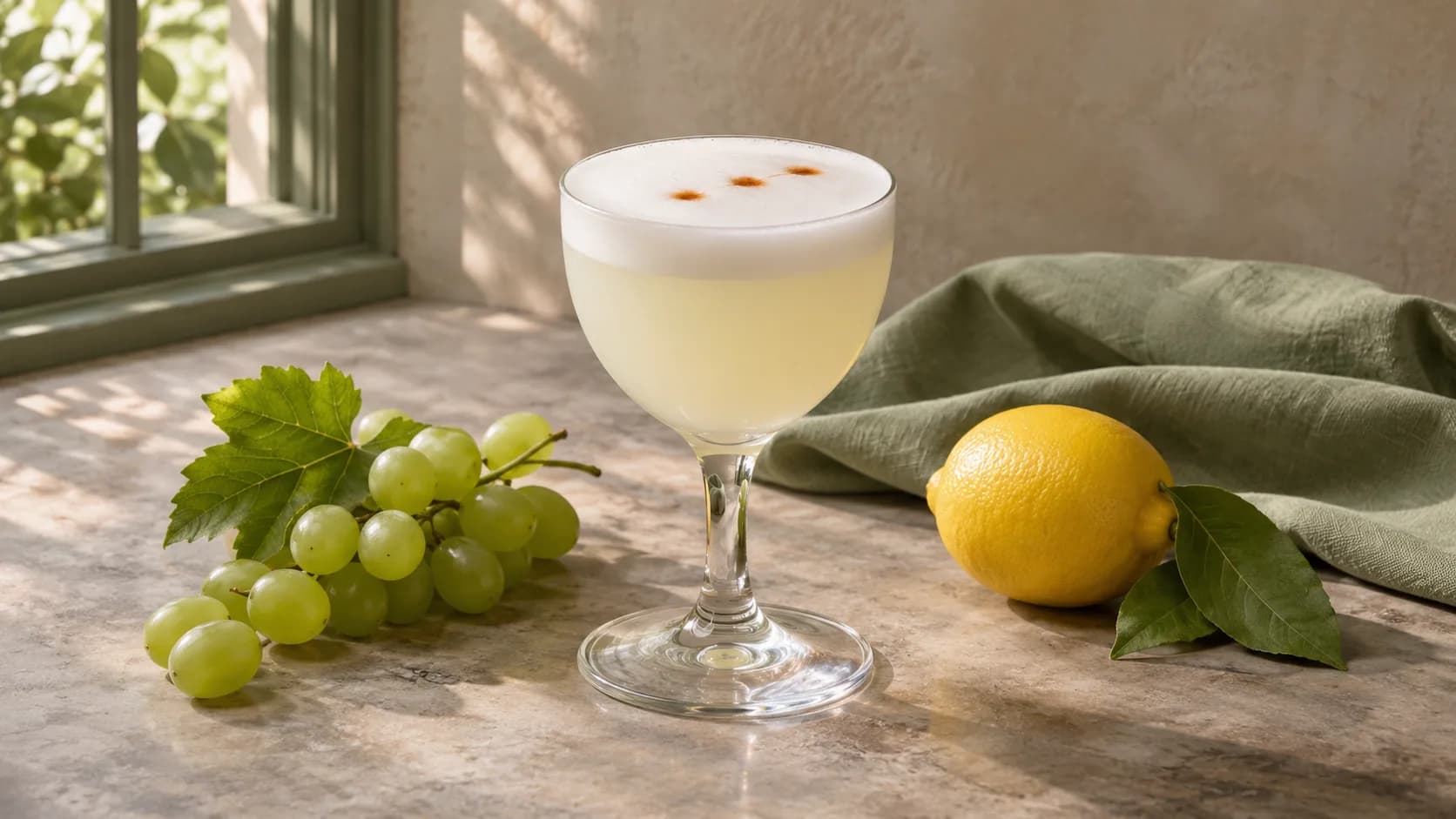
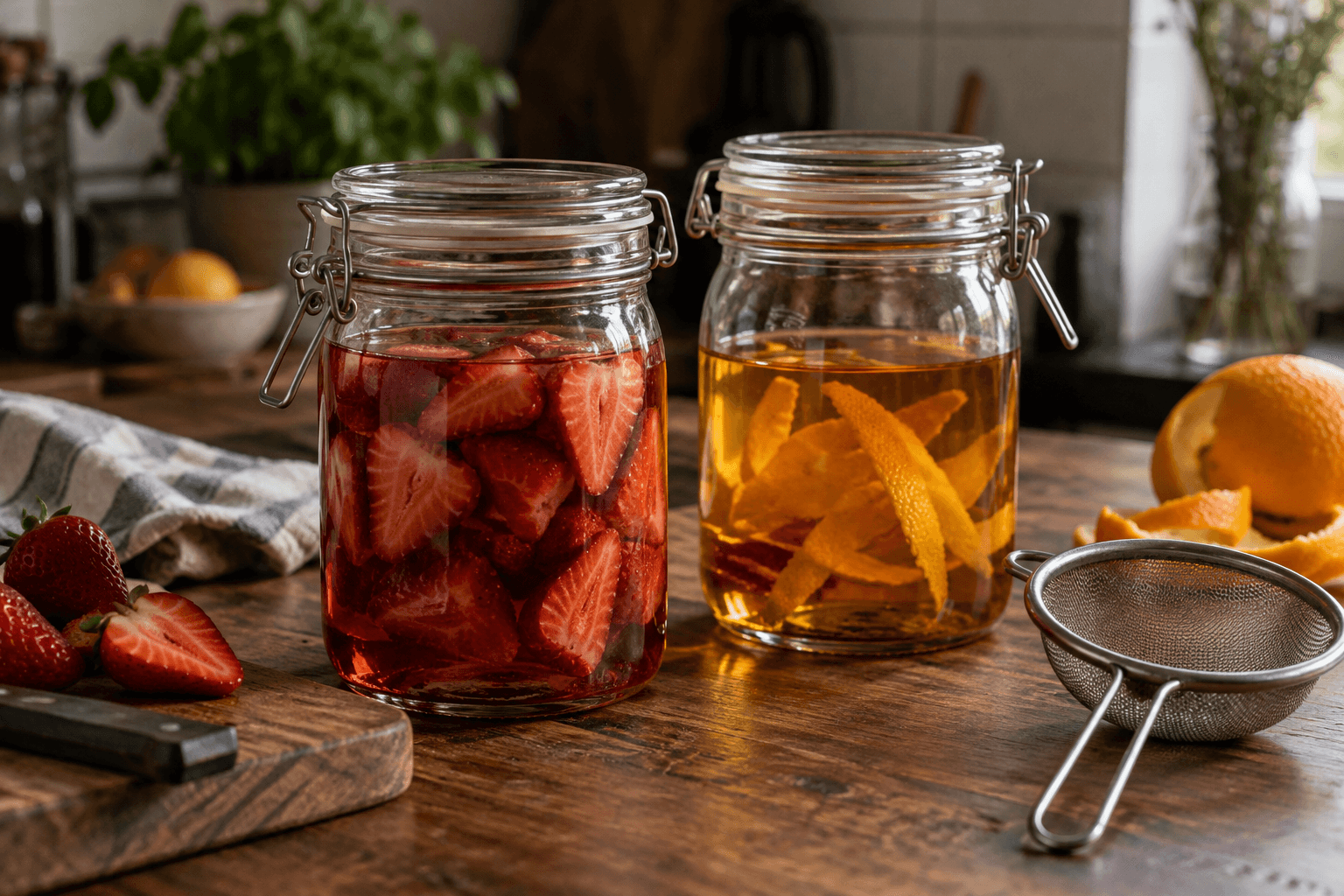
An infusion is a spirit steeped with a flavouring, such as a cinnamon stick or fruit, and then strained. The best starting point is a recipe that gives the ingredient, the amount, the time and how to store the result. Dry, shelf-stable flavourings like toasted cinnamon work in hours, and our recipe cards infuse for anything from a few hours to about a day. Once it is strained and labelled, the bottle is a new preparation, no longer the spirit you started with.
Infusions on our recipe cards
Each of these recipes has its own infusion step. Times and amounts come from the cards.
| Drink | What is infused | Infusion step on the card | How the drink is finished |
|---|---|---|---|
| Fall Old-Fashioned | Bourbon with a toasted cinnamon stick | Infuse a few hours, up to 1 day, then strain | 2 oz infused bourbon, 0.25 oz demerara syrup, 3 dashes Angostura, stirred about 30 seconds over a large cube |
| Bazooka Bubblegum cocktail | 2 cups (16 oz) vodka with 16 pieces of bubble gum | Airtight container, stir now and then, about 24 hours, fine-strain | 2 oz infused vodka, 1/2 oz each lemon, lime and simple syrup, optional egg white, shaken about 20 seconds |
| The Marriage of Figaro | Bourbon with fig | Uses 1 oz fig-infused bourbon | With 1 oz plain bourbon, 1 oz Cardamaro, 1 tsp allspice dram, stirred about 30 seconds |
| Sergeant Pepper | A red pepper infused liqueur | Uses 20 ml of it | With 40 ml blanco tequila, 30 ml orange liqueur, 20 ml lime juice, 10 ml agave syrup |
These cards illustrate different prepared ingredients; they do not establish one extraction schedule. The Figaro splits its bourbon measure between infused and plain portions. That records an ingredient choice, not a measured result for how prominent the fig will taste.
Infused spirit, tincture or bitters
| Preparation | Role in a recipe | What to record |
|---|---|---|
| Infused spirit | A flavoured spirit used in the recipe's measured portion | Base product, flavouring, amounts, method and recovered volume |
| Cocktail tincture | A concentrated flavour addition, dosed by drops or dashes | Exact formulation, strength, bottle and dose |
| Cocktail bitters | The named bitters product requested by the recipe | Brand, variety and dash or drop instructions |
Campari Academy's tincture section describes pulling flavour into a high-proof neutral spirit for concentrated additions, and notes that each ingredient needs its own ratio. A tincture is a concentrated flavouring, usually dosed in drops or dashes. It is not a measure-for-measure substitute for an infused base spirit, and its alcohol strength depends on the preparation. Our bitters guide covers dashes and products.
Equipment
- A clean, food-safe glass jar with a tight lid
- A fine mesh strainer, plus cheesecloth or a coffee filter for fine particles
- A funnel and a clean bottle for the finished infusion
- Labels and a pen
- A measuring jug, so you know how much you recovered
Why the cinnamon card is an overview
The Fall Old-Fashioned card names a toasted cinnamon stick and a steeping range, but does not specify the starting bourbon volume, stick weight or storage conditions. It cannot supply a reproducible preparation by itself. Keep the card as a drink reference; use the measured tea preparation below to learn a fully identified extraction instead of guessing “one stick per bottle”.
Fresh produce needs washing under running water before cutting, as FDA guidance says, and a method written for that ingredient.
Vacuum, sous vide and cold infusion
Cooking Issues' vacuum-infusion experiment shows liquid entering porous cucumber when the pressure is released. That pushes liquid into food, which is the opposite job from pulling flavour into a spirit.
Sous vide controls temperature, but extraction is not faster for every ingredient. A cream whipper or other pressure device belongs only in a recipe written for it. Cold infusion follows the time and temperature in its recipe; room temperature is not safe for every ingredient.
Pairings worth looking up
Cinnamon with bourbon (as on our card), strawberries with vodka, peaches with bourbon, mint with gin, rosemary with whiskey, vanilla with vodka and cardamom with gin are all common. Each needs a full recipe with quantities, time, temperature and storage before you try it. Stick to ingredients sold for eating, such as culinary lavender, and never use unfamiliar plants.
Where infusions go wrong
- Too long in the jar. Spices and citrus peel turn harsh. Taste early.
- Trusting the alcohol to keep it safe. Fruit, herbs or dairy change the mixture, and the original bottle's shelf life no longer applies.
- No label. You will not remember what is in the jar, or when you made it.
- Using it one-for-one in other recipes. A drink written for the plain spirit can lose its balance.
- Filtering a jar that smells or looks off. Throw it away.
Complete the prep record before steeping
Before starting any formulation, copy its complete quantities and conditions. The tea example below supplies an extraction stage for a particular clarified milk punch; it is not a generic flavouring time for every drink.
| Prep field | What must be written |
|---|---|
| Base | Exact spirit, ABV and measured starting amount |
| Flavouring | Food-use identity, form and weight or explicitly sized count |
| Extraction | Vessel, preparation, time and temperature |
| Finish | Straining method and actual recovered volume |
| Service | Complete drink formula and infused-spirit portion |
| Handling | Storage, preparation date, responsible person and approved discard instruction |
For a concentrated tincture, include its exact dose and dispenser as well. A dropper dose is not a base-spirit pour. Do not combine high-proof extraction guidance for dry botanicals with fresh-produce handling from another source.
If the intended flavour is too strong, retain the record and plan a smaller, measured formulation next time. If handling is uncertain, discard untasted. An agreeable sample does not validate the rest of the bottle.
Storage
Infusions have no universal shelf life. Store each one as its recipe says, refrigerate where it says so, and discard anything showing spoilage or handled in a way you are unsure of. Clear and normal-smelling does not mean safe. The ingredient storage guide has more, and fat-washing is the next technique up.
One complete, recorded preparation is more useful than several unlabelled jars. When you want a flavour idea to build on, the AI Generator can suggest one, and My Bar shows what your bottles already make.
A measured dry-tea infusion
Campari Academy's milk-punch field guide gives a tea-infused aged-spirit preparation: 2 tea bags per 8 US fl oz spirit, steeped for 30 minutes at room temperature, then squeezed for recovery. This is deliberately strong tea extraction for the source's clarified milk punch: its next clarification stage is intended to soften tannins. Do not apply this 30-minute steep to a straight-sipping infusion or call it a universal tea rule. Use food-use tea and the aged spirit required by that complete recipe. Set out a clean covered food-safe vessel, measure, timer, strainer and receiving container. Add the two bags to the measured spirit, time the steep, remove and squeeze the bags, strain as needed and measure the recovered liquid. Record the exact tea, bag size, spirit and ABV; these are not universal extraction conditions for fresh fruit, herbs or every tea.
Eight US fluid ounces is about 237 ml, rounded; it is a liquid measure, not 8 ounces of tea by weight. Recovered yield is lower and must be measured. The source uses this preparation in its aged-spirit milk punch, whose full quantities and clarification method remain together in the linked guide. Prepare the infusion for immediate progression into that source's complete milk-punch method; keep its ingredient, refrigeration and dairy-allergen directions with the preparation. Do not bottle it for indefinite storage: no separate shelf life is established here. This is an attributed preparation, not a claim of an Elixiary tasting test.