Rum: From Light to Dark - Types, Origins, and Tropical Cocktails
Discover the world of rum from light to dark styles. Explore Caribbean origins, understand different rum types, and master tropical cocktails like Mojitos, Daiquiris, and Mai Tais.
Rum: From Light to Dark - Types, Origins, and Tropical Cocktails
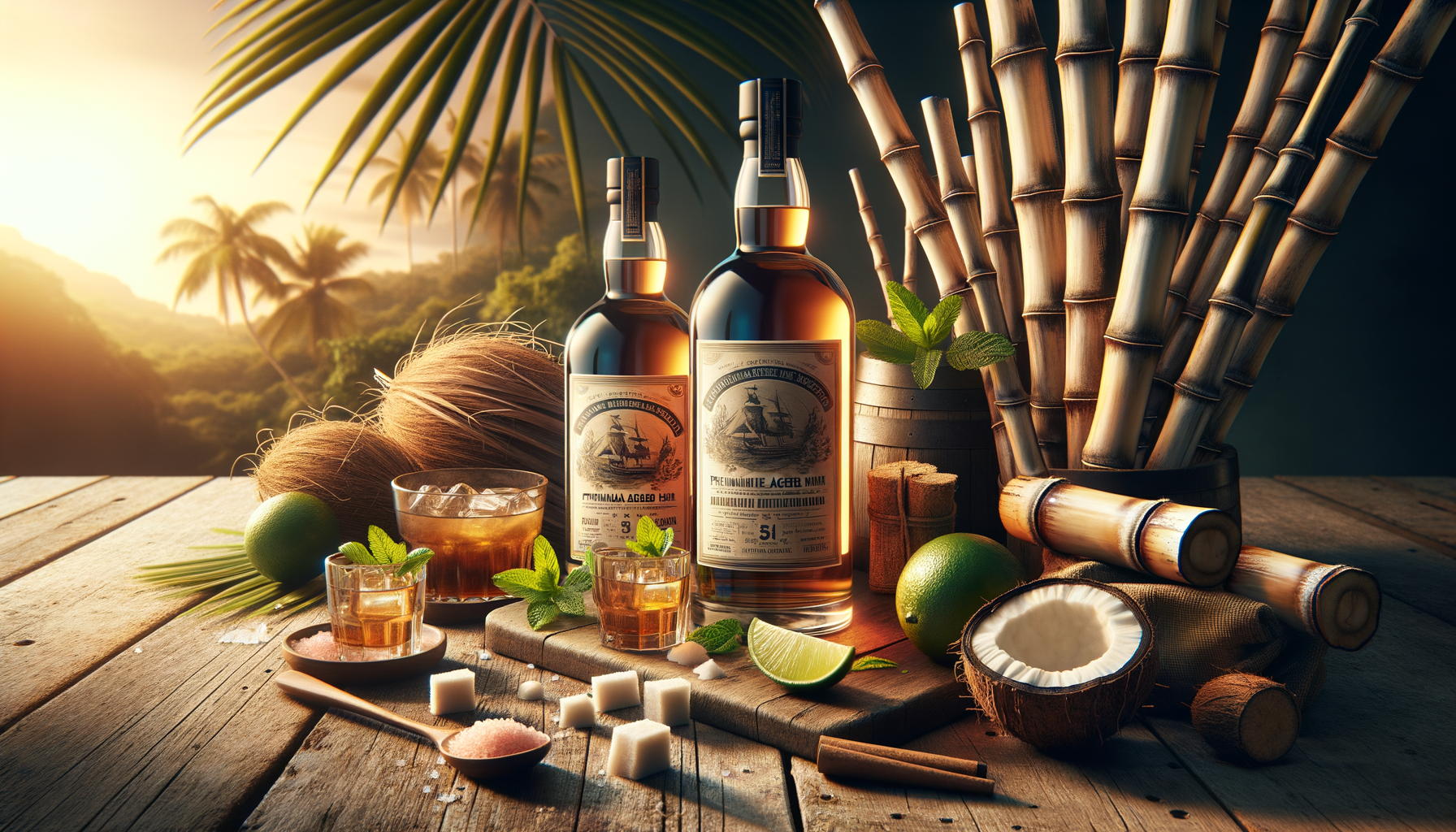
Rum captures the essence of tropical paradise in a glass. Born from Caribbean sugar cane and refined through centuries of tradition, this versatile spirit has evolved from its humble plantation origins to become one of the world's most beloved and diverse categories of alcohol. Whether you're sipping a refined añejo neat or mixing up a classic Mojito, understanding rum's rich history and varied styles will transform how you appreciate this remarkable spirit.
The Caribbean Soul: Rum's Origins and History
Rum's story begins in the 17th century Caribbean, where sugar plantation workers discovered that molasses—a byproduct of sugar production—could be fermented and distilled into alcohol. What started as a practical use of excess materials became a cultural phenomenon that spread throughout the Caribbean islands and beyond.
Each island developed its own distinctive style, influenced by colonial heritage, climate, and local traditions. French islands like Martinique produce rhum agricole from fresh cane juice, Spanish-influenced regions favor lighter, more refined rums perfect for mixing, while British colonial islands developed rich, full-bodied rums with complex flavors.
This diversity makes rum one of the most fascinating spirits categories to explore. Unlike whiskey or gin, where production methods are relatively standardized, rum varies dramatically from one producer to another, offering endless discovery for enthusiasts.
Understanding Rum Types: Light to Dark
Light (White/Silver) Rum
Light rum is filtered after aging to remove color, resulting in a clear spirit with a clean, subtle flavor profile. Don't mistake "light" for lacking character—quality light rums have delicate sugar cane notes and a smooth finish that makes them perfect for cocktails.
Best Uses: Mojitos, Daiquiris, Piña Coladas, and any cocktail where you want the rum to blend seamlessly with other ingredients while providing alcoholic backbone and subtle sweetness.
Recommended Brands: Bacardi Superior, Havana Club 3 Year, Flor de Caña 4 Year
Light rum's versatility makes it essential for any home bar. Its neutral profile won't overpower delicate ingredients like fresh mint or citrus, making it the backbone of classic tropical cocktails.
Gold (Amber) Rum
Aged longer than light rum and not filtered, gold rum retains the caramel color from barrel aging. This style offers a perfect middle ground—complex enough to sip but mixable enough for cocktails that benefit from more pronounced rum flavor.
Gold rums typically show notes of vanilla, caramel, toffee, and tropical fruit from their time in oak barrels. The aging process mellows the spirit while adding layers of complexity that elevate simple cocktails into something special.
Best Uses: Mai Tais, Rum Punches, Hurricane cocktails, or sipped on the rocks with a lime wedge.
Recommended Brands: Appleton Estate Signature, Mount Gay Eclipse, Diplomatico Mantuano
Dark Rum
Full-bodied and rich, dark rum is aged the longest and often includes added caramel for color consistency. These rums showcase deep flavors of molasses, brown sugar, baking spices, and sometimes even chocolate or coffee notes.
Dark rums vary from approachable mixing rums to complex sipping spirits that rival fine cognac in depth and sophistication. The best examples balance sweetness with spice, offering a warming, satisfying experience.
Best Uses: Dark 'n' Stormy, Ti' Punch, baking, or enjoyed neat as a digestif.
Recommended Brands: Gosling's Black Seal, Myers's Original Dark, Pusser's Navy Rum
Premium Aged Rum (Añejo)
The rum world's answer to fine whiskey, premium aged rums spend years in oak barrels developing remarkable complexity. These sipping rums showcase craftsmanship and terroir, with flavor profiles that can include dried fruit, leather, tobacco, nuts, and exotic spices.
Caribbean climate accelerates aging—a 12-year Caribbean rum can have the complexity of a 20-year Scotch due to intense heat and humidity. This makes aged rum an excellent value for spirit enthusiasts seeking sophisticated sipping experiences.
Best Uses: Enjoy neat or with a single ice cube. These deserve to be savored slowly.
Recommended Brands: Zacapa 23, Ron Diplomático Reserva Exclusiva, El Dorado 15 Year
Spiced Rum
Infused with spices like vanilla, cinnamon, nutmeg, and clove, spiced rum offers bold, warming flavors perfect for autumn and winter cocktails. While some dismiss spiced rum as unsophisticated, quality versions balance sweetness and spice beautifully.
Modern craft distillers have elevated spiced rum beyond the overly sweet commercial versions, creating complex expressions that work wonderfully in creative cocktails.
Best Uses: Rum and Coke, Hot Buttered Rum, Autumn-spiced cocktails.
Recommended Brands: Sailor Jerry, Chairman's Reserve Spiced, Plantation Stiggins' Fancy Pineapple
Regional Rum Styles
Spanish-Style Rum (Cuba, Puerto Rico, Dominican Republic)
Light-bodied and smooth, Spanish-style rums prioritize refinement and mixability. Using column stills for cleaner distillation, these rums work perfectly in cocktails where you want the rum present but not dominating.
Cuban rum tradition, now carried on by brands like Havana Club (outside the US) and Bacardi, emphasizes elegance and balance. Puerto Rican rums like Don Q and Ron del Barrilito showcase the style's versatility.
English-Style Rum (Jamaica, Barbados, Trinidad)
Fuller-bodied with more pronounced flavors, English-style rums often use pot stills that retain more congeners and character from fermentation. Jamaican rums especially are known for their "funky" flavor profile—think overripe tropical fruit and molasses.
These rums have bold personalities that stand up in tiki cocktails and work beautifully in rum-forward drinks. Brands like Appleton Estate, Mount Gay, and Smith & Cross represent this robust style.
French-Style Rhum Agricole (Martinique, Guadeloupe)
Made from fresh sugar cane juice rather than molasses, rhum agricole has a distinctly grassy, vegetal character unlike any other rum. Protected by AOC designation in Martinique, these rums showcase terroir and craftsmanship.
Rhum agricole works wonderfully in Ti' Punch and other French Caribbean cocktails, offering a completely different flavor experience from molasses-based rums.
Classic Tropical Cocktails
The Mojito
Cuba's iconic cocktail combines light rum, fresh mint, lime juice, sugar, and soda water into a refreshing masterpiece. The key is gently muddling the mint to release oils without bruising the leaves, which can create bitterness.
Pro Tip: Use quality light rum and fresh mint for best results. Dried or wilted mint ruins this cocktail.
The Daiquiri
Ernest Hemingway's favorite drink is simply light rum, fresh lime juice, and simple syrup shaken and served up. This three-ingredient classic proves that simplicity executed perfectly beats complexity done poorly.
The ratio matters: 2 oz rum, 1 oz lime juice, 3/4 oz simple syrup creates the perfect balance of tart and sweet. Variations like the Hemingway Daiquiri add grapefruit and maraschino liqueur for more complexity.
The Mai Tai
Despite what many bars serve, an authentic Mai Tai is not a sweet, fruity punch. It's a spirit-forward cocktail showcasing quality rum with orgeat (almond syrup), orange liqueur, and lime juice.
Use a combination of light and dark rum for depth. The original recipe from Trader Vic's calls for 17-year-old J. Wray & Nephew rum, but a blend of quality rums works beautifully.
The Piña Colada
Puerto Rico's national drink blends light rum, coconut cream, and pineapple juice into tropical indulgence. While often maligned as overly sweet, a well-made Piña Colada balances richness with bright pineapple acidity.
Key: Use quality ingredients—fresh pineapple juice makes a massive difference, and good coconut cream (not coconut milk) provides proper richness.
Dark 'n' Stormy
This Bermudian classic combines dark rum (traditionally Gosling's Black Seal) with ginger beer and lime. It's deceptively simple but incredibly satisfying, with the spicy ginger beer playing perfectly against rum's sweetness.
Build it over ice in a highball glass: 2 oz dark rum, top with ginger beer, add a lime wedge. The quality of your ginger beer matters enormously here.
Pairing Rum with Flavors
Understanding which flavors complement rum will help you create custom cocktails with confidence.
Citrus: Lime is rum's best friend, but orange, grapefruit, and lemon all work beautifully. The acidity balances rum's inherent sweetness.
Tropical Fruits: Pineapple, mango, passion fruit, and coconut create natural pairings. These flavors share rum's tropical origins and work in both classic and modern cocktails.
Spices: Cinnamon, nutmeg, ginger, and allspice complement rum's warm character. These work especially well with darker, aged rums.
Mint and Herbs: Fresh mint is classic, but basil, cilantro, and lemongrass offer interesting variations in modern rum cocktails.
Coffee and Choc: Darker rums pair wonderfully with coffee and chocolate, creating rich, dessert-like cocktails or after-dinner drinks.
Building Your Rum Collection
For a versatile home bar, consider these categories:
Essential Foundation: A quality light rum (Bacardi Superior or Flor de Caña 4 Year) for classic cocktails.
Step Up: Add a gold rum (Appleton Estate or Mount Gay Eclipse) for Mai Tais and sipping.
Dark Option: Gosling's Black Seal or similar robust dark rum for Dark 'n' Stormys and depth in cocktails.
Sipping Rum: As you explore, invest in a premium aged rum for special occasions.
You don't need all categories immediately. Start with a light rum that you enjoy in a Daiquiri, then expand based on your cocktail preferences and curiosity.
Tips for Working with Rum
-
Serve Properly: Light and gold rums should be well-chilled for cocktails. Aged rums can be enjoyed at room temperature or with a single large ice cube.
-
Fresh Ingredients Matter: Rum's clean flavors mean stale lime juice or flat soda water will be immediately apparent. Use fresh citrus and quality mixers.
-
Don't Overlook Aged Rum: Many people discover aged rum after years of drinking whiskey and wonder why they waited. These complex spirits deserve attention.
-
Explore Regional Styles: Each rum-producing region offers something unique. Exploring different styles expands your appreciation dramatically.
-
Quality Mixers: For simple rum and Coke or rum and ginger beer, mixer quality is as important as the rum itself.
Storing and Serving Rum
Rum doesn't age once bottled and doesn't require special storage. Keep it in a cool, dark place away from direct sunlight. Once opened, rum maintains quality for years if properly stored.
Serve young rums cold in appropriate glassware—hurricane glasses for tropical cocktails, rocks glasses for spirit-forward drinks, coupe glasses for Daiquiris. Aged rums deserve proper nosing glasses or rocks glasses to appreciate their complexity.
The World of Rum Awaits
From light and refreshing to dark and complex, rum offers incredible diversity within a single spirit category. Its tropical heritage, varied production methods, and regional traditions create endless exploration opportunities for home bartenders and spirit enthusiasts.
Whether you're mixing classic Mojitos, exploring craft tiki cocktails, or discovering the sophistication of aged Caribbean rums, there's never been a better time to dive into the rum world. Browse our cocktail collection for rum-based recipes, or start experimenting with the classics.
Master a perfect Daiquiri, understand the difference between Spanish and English-style rums, and don't be afraid to explore premium aged expressions. Rum's approachability and versatility make it one of the most rewarding spirits to learn about and enjoy. Cheers to your rum journey!
Use Elixiary for this
Put what you learned into practice
Jump into Elixiary tools and make a drink now.