Tequila & Mezcal: Agave Spirits Guide and Perfect Margaritas
Master agave spirits from blanco to añejo tequila and smoky mezcal. Learn production methods, understand key differences, and craft perfect Margaritas and Palomas.
Tequila & Mezcal: Agave Spirits Guide and Perfect Margaritas
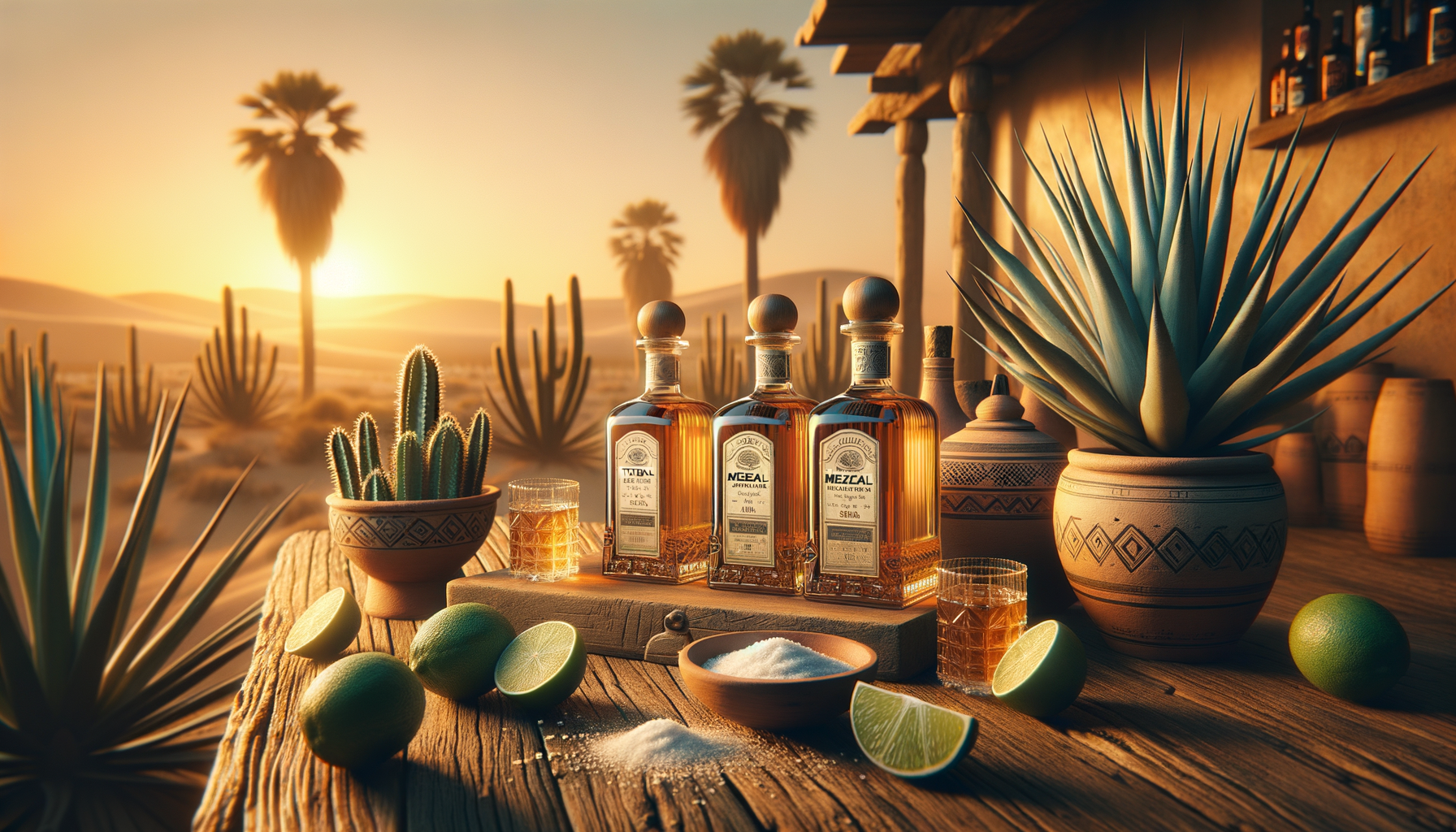
Tequila and mezcal represent Mexico's rich distilling heritage, transforming the blue agave plant into spirits that range from crisp and refreshing to complex and smoky. While tequila has achieved worldwide fame through Margaritas and shots with lime and salt, both spirits offer far more sophistication and depth than many people realize. Understanding these agave-based spirits opens up a world of flavor far beyond the college party association many Americans hold.
The Agave Foundation
Both tequila and mezcal come from agave plants—large succulents that take 7-15 years to mature. The heart of the plant (called the piña due to its pineapple-like appearance) contains sugars that, when roasted, fermented, and distilled, create these distinctive spirits.
The production process profoundly influences flavor. Traditional methods involve roasting piñas in underground pits (creating smoky mezcal character) or steaming in ovens (creating cleaner tequila profiles). Modern industrial production uses autoclaves for efficiency but sacrifices some traditional character.
Understanding this foundation helps explain why quality agave spirits cost more—those plants took over a decade to grow, and traditional production methods are labor-intensive and time-consuming.
Tequila: Mexico's Most Famous Export
What Makes It Tequila?
By law, tequila must be:
- Made from at least 51% blue Weber agave (premium tequilas use 100%)
- Produced in specific Mexican regions (primarily Jalisco)
- Distilled at least twice
- Meet strict production standards set by the CRT (Tequila Regulatory Council)
Look for "100% agave" on the label—this guarantees quality. "Mixto" tequilas use only 51% agave, with the remainder coming from other sugars. These create the harsh, headache-inducing experiences that give tequila a bad reputation.
Tequila Classifications by Aging
Blanco (Silver/White) Unaged or aged less than two months in stainless steel or neutral oak barrels. Blanco tequila showcases pure agave flavor—crisp, peppery, with citrus and herbal notes. This is the style for Margaritas and fresh, bright cocktails.
The best blancos taste nothing like the harsh shots from college—they're smooth enough to sip neat with just a lime wedge, showing agave's natural complexity.
Recommended: Fortaleza Blanco, El Tesoro Platinum, Espolòn Blanco
Reposado Aged 2-12 months in oak barrels. Reposado ("rested") gains subtle oak influence—vanilla, caramel, light spice—while maintaining agave character. This versatile category works in cocktails or sipped neat.
The oak aging mellows the spirit without overwhelming agave's distinctive flavor. Many consider reposado the perfect balance between blanco's brightness and añejo's complexity.
Recommended: Don Julio Reposado, Herradura Reposado, Cazadores Reposado
Añejo Aged 1-3 years in oak barrels. Añejo develops deep amber color and complex flavors—caramel, butterscotch, oak, dried fruit, baking spices. These sipping tequilas rival fine whiskey in complexity.
While some use añejo in cocktails, most enthusiasts prefer savoring these neat or with a single ice cube. The extended aging creates sophistication that deserves appreciation.
Recommended: Patrón Añejo, Casa Noble Añejo, Clase Azul Reposado
Extra Añejo Aged over 3 years. These ultra-premium sipping tequilas showcase what agave spirits can achieve with extended aging. Expect mahogany colors and incredibly complex flavor profiles with pronounced oak influence.
Cristalino A newer category: añejo or extra añejo filtered to remove color while maintaining aged character. These offer aged complexity with blanco's visual clarity—fascinating for cocktails where you want depth without color.
Flavor Profiles
Tequila's flavor ranges from blanco's bright agave-forward character (citrus, pepper, herbs, minerals) to añejo's oak-influenced complexity (vanilla, caramel, butterscotch, dried fruit, spice).
Highland tequilas (Los Altos region) tend toward sweeter, fruitier profiles while lowland tequilas show more earthy, mineral character. Both styles have merit—it's about personal preference.
Mezcal: Tequila's Smoky Cousin
What Makes It Mezcal?
Mezcal is the broader category—all tequila is technically mezcal, but not all mezcal is tequila. Key differences:
- Can be made from 30+ agave varieties (not just blue Weber)
- Produced in specific Mexican states (primarily Oaxaca)
- Often uses traditional production methods
- Piñas roasted in underground pits, creating signature smoke
This traditional production creates mezcal's distinctive smoky, complex character that divides drinkers into passionate lovers or firm avoiders.
Mezcal Types
Like tequila, mezcal comes in joven (young), reposado, and añejo expressions. However, most mezcal appreciation focuses on joven expressions that showcase agave variety and terroir without oak influence.
Different agave species create vastly different flavor profiles. Espadín (most common) offers approachable smoke and citrus. Tobalá (wild, rare) provides intense complexity. Tepeztate (extremely rare) showcases earthy, mineral character.
Flavor Profile
Expect smoke as the defining characteristic, but quality mezcal offers far more—citrus, herbs, minerals, tropical fruit, earth, leather, sometimes chocolate or coffee notes. The complexity rivals the finest spirits worldwide.
The smoke shouldn't be overwhelming—it should frame and enhance other flavors rather than dominating. If mezcal tastes like you're drinking a campfire, it's not quality production.
Recommended Mezcals
Entry Level: Del Maguey Vida, Montelobos, Banhez Mid-Range: Los Vecinos del Campo, Mezcal Vago Elote, Del Maguey Chichicapa Premium: Real Minero, Mezcal Vago Tobalá, Rey Campero Tepextate
Tequila vs Mezcal: Key Differences
Agave Type: Tequila uses only blue Weber; mezcal uses many varieties Production: Tequila often uses ovens; mezcal traditionally uses underground pits Flavor: Tequila highlights agave; mezcal adds smoke and earthiness Regulations: Both strictly regulated but tequila rules more restrictive Usage: Tequila more versatile in cocktails; mezcal often sipped or used sparingly
Think of it like bourbon vs Scotch—same category (whiskey/agave spirits) but distinct characters.
Classic Tequila Cocktails
The Margarita
The crown jewel of tequila cocktails combines tequila (typically blanco), fresh lime juice, and orange liqueur. Simple, refreshing, endlessly customizable.
Classic Ratio: 2 oz blanco tequila, 1 oz lime juice, 1 oz Cointreau or triple sec. Shake with ice, serve up with salt rim or on the rocks.
Pro Tips:
- Use 100% agave tequila—mixto creates harsh, unbalanced Margaritas
- Fresh lime juice is non-negotiable
- Quality orange liqueur (Cointreau, Pierre Ferrand Dry Curaçao) makes a massive difference
- Salt rim is optional—try half-rim so you can taste with and without
Variations include Tommy's Margarita (agave nectar instead of orange liqueur), Spicy Margarita (jalapeño), or fruit variations (strawberry, mango).
The Paloma
Mexico's most popular tequila cocktail: blanco tequila, fresh grapefruit juice, lime juice, and soda water. Lighter and more refreshing than a Margarita.
Build in a highball glass over ice: 2 oz tequila, 1/2 oz lime juice, 2 oz grapefruit juice, top with soda water. Salt rim and grapefruit wedge garnish.
Some versions use grapefruit soda (Jarritos, Squirt) for simplicity, though fresh juice creates superior results.
The Tequila Sunrise
A beautiful layered drink: tequila, orange juice, and grenadine. While sometimes dismissed as overly sweet, quality ingredients create a satisfying brunch cocktail.
The Ranch Water
Texas's gift to tequila cocktails: blanco tequila, fresh lime juice, and Topo Chico (or similar sparkling mineral water). Dangerously refreshing.
Cocktails Featuring Mezcal
Mezcal Margarita
Substitute mezcal for tequila in a classic Margarita, or create a "Naked and Famous" variation with equal parts mezcal, Aperol, yellow Chartreuse, and lime juice.
Oaxaca Old Fashioned
Replace whiskey with reposado tequila and add a barspoon of mezcal for smoke. Agave nectar instead of sugar, Angostura bitters, orange peel. A revelation for whiskey drinkers exploring agave spirits.
Mezcal Negroni
Equal parts mezcal, Campari, and sweet vermouth. The smoke plays beautifully against Campari's bitterness.
Tasting Tequila and Mezcal Properly
The Right Way (Not Shots)
- Use Proper Glassware: Small snifters or copitas (traditional clay cups)
- Nose First: Appreciate aromatics before tasting
- Small Sips: Let it coat your palate
- Add Air: Breathe through your nose while tasting
- Consider Water: A few drops opens up flavors
The Traditional Pairing
In Mexico, quality tequila and mezcal are sipped with sal de gusano (worm salt—chili, salt, and ground agave worm), orange or lime wedges, and sometimes sangrita (a spicy, savory chaser).
This differs vastly from salt-shot-lime American tradition. The pairing enhances rather than masks the spirit.
Pairing with Food
Tequila and mezcal pair wonderfully with food:
Blanco Tequila: Ceviche, fresh oysters, light seafood, citrus-based dishes Reposado: Grilled fish, chicken, pork, mole dishes Añejo: Rich meats, chocolate desserts, aged cheeses Mezcal: Anything grilled or smoked, mole, chocolate, spicy dishes
The natural affinity with Mexican cuisine is obvious, but don't limit yourself—these spirits pair with global flavors.
Building Your Collection
Start strategically:
Essential: Quality blanco tequila (Espolòn, Fortaleza, El Tesoro) for Margaritas and sipping Next Step: Add reposado (Don Julio, Herradura) for versatility Exploration: Try mezcal (Del Maguey Vida, Montelobos) to understand the category Premium: When ready, invest in añejo tequila or artisanal mezcal
You don't need every category immediately. Many people are perfectly happy with just quality blanco for years.
Common Misconceptions
"Tequila gives you worse hangovers": Mixto tequila's added sugars cause problems. 100% agave tequila, consumed responsibly, doesn't cause worse hangovers than other spirits.
"The worm makes mezcal authentic": Marketing gimmick. Quality mezcal doesn't need worms. Traditional producers find this insulting.
"All tequila tastes harsh": Quality 100% agave tequila is smooth and complex. Harsh tequila comes from mixtos or poor production.
"Mezcal is just smoky tequila": Mezcal offers incredible diversity beyond smoke. Tequila is one type of mezcal, not vice versa.
Sustainability and Ethics
Both industries face sustainability challenges. Blue agave monoculture for tequila creates ecological concerns. Wild agave overharvesting for mezcal threatens rare species.
Support brands that:
- Use sustainable farming practices
- Pay fair wages to jimadores (agave farmers)
- Preserve traditional production methods
- Source from cultivated rather than wild agave when possible
Look for certified sustainable or organic options when available.
The Future of Agave Spirits
The agave spirits category is experiencing a renaissance. Craft distillers explore terroir, heritage varieties, and traditional methods. Premium expressions rival fine whiskey and cognac in complexity and price.
This evolution means better availability and quality across all price points. What was once relegated to shots and basic cocktails now commands serious attention from spirit enthusiasts worldwide.
Whether you're mixing the perfect Margarita, exploring mezcal's smoky complexity, or sipping ultra-premium añejo like fine cognac, agave spirits offer incredible depth and diversity.
Start with quality blanco tequila in a proper Margarita. Try mezcal neat to understand its character. Explore reposado and añejo as your palate develops. Experiment with custom cocktails featuring these versatile spirits.
From Mexico to the world, tequila and mezcal represent craftsmanship, tradition, and the patient cultivation of plants that take over a decade to mature. That patience translates into spirits worth savoring slowly—no shots required. ¡Salud!
Use Elixiary for this
Put what you learned into practice
Jump into Elixiary tools and make a drink now.