Good service begins with a question the guest can answer. “What flavour or texture would you like?” is more useful than a speech about the bartender's favourite spirit. Listen, confirm the request and explain the ingredients that matter.
Find a preference without making assumptions
Guest: “I don't know what to order.”
Bartender: “Would you prefer something tart, bitter, creamy or sparkling? And would you like alcohol or an alcohol-free drink?”
Offer a small number of suitable choices and describe them plainly. Do not assign a sweet drink, a strong drink or a budget from someone's appearance or identity. The drink-choice guide offers useful flavour language.
An allergy question changes the workflow
Guest: “Does that contain nuts?”
Bartender: “I'll check the exact ingredients and preparation before confirming.”
Use the component record and current product labels, including syrups, garnishes and preparation equipment. Do not infer ingredients from a tasting note or promise that straining removes an allergen. If the information or cross-contact controls cannot support the request, explain that clearly and involve the trained responsible person.
Do not improvise a replacement while the guest waits without checking the whole drink again. A change that removes one named ingredient can introduce another issue.
A drink the guest does not enjoy
Guest: “This is much more bitter than I expected.”
Bartender: “Thanks for telling me. Was it the bitterness, or also the strength and texture? I can explain the replacement options under our policy.”
Check whether the approved recipe was followed. If a mistake occurred, acknowledge it and follow the remake process. If the drink was made correctly but did not suit the guest, offer an appropriate alternative within policy. Do not tell them that they simply do not understand the cocktail.
Keep any returned drink separate from preparation stock. Do not pour it into a shared batch or reuse its garnish.
Alcohol-free means checking everything
Guest: “I want no alcohol.”
Bartender: “I'll use our verified alcohol-free recipe. Is there any ingredient or cross-contact requirement I should also check?”
Do not ask why the guest is avoiding alcohol. Removing a base spirit can leave alcoholic bitters or liqueur in the drink. Check the exact labels and recipe, and explain any uncertainty before service.
Close the conversation clearly
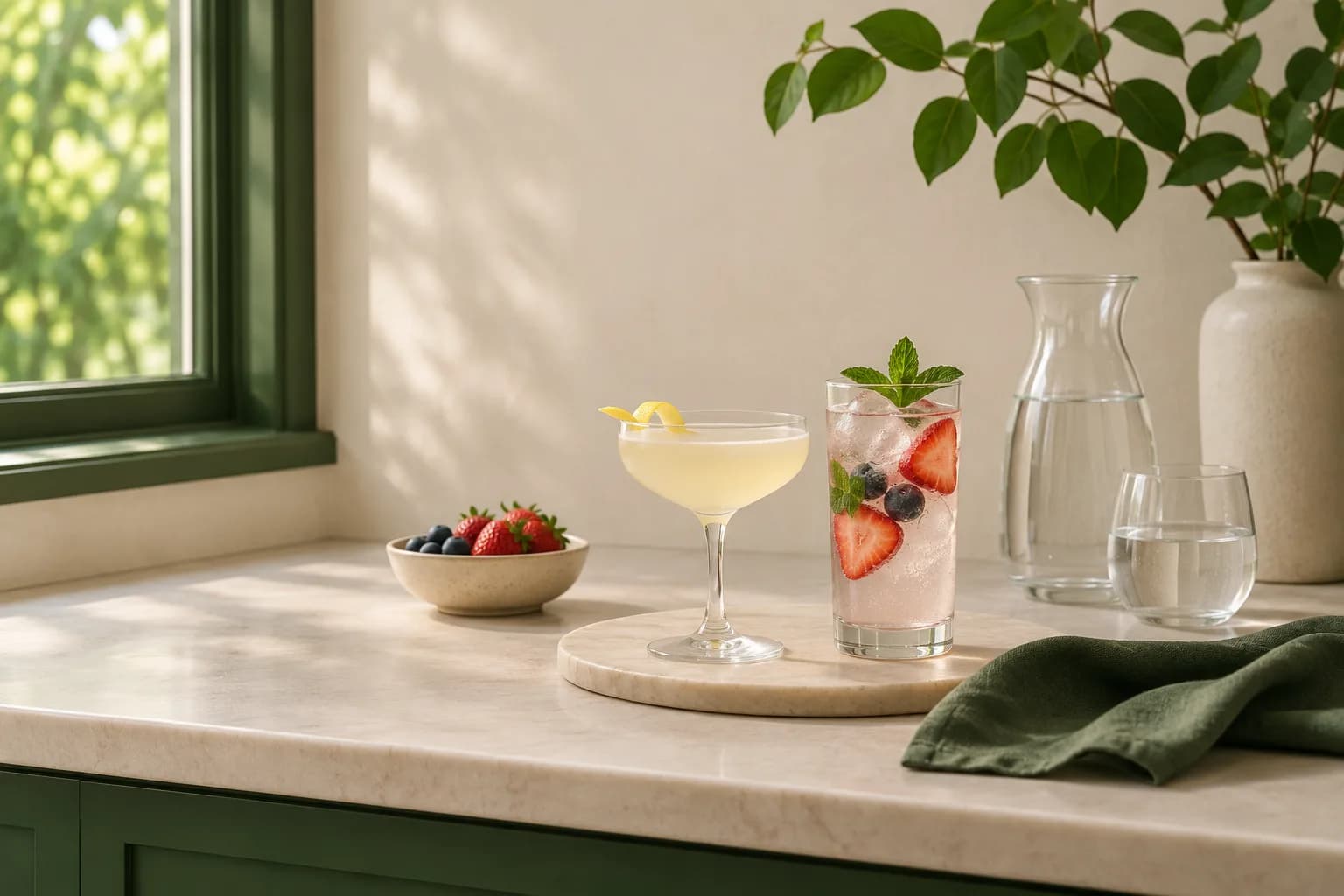
Repeat the chosen drink and any agreed changes. Identify it at handoff, especially when similar-looking alcoholic and alcohol-free drinks are served together. Ask whether it suits the guest after they have had a reasonable chance to try it; do not repeatedly pressure them for a positive answer.
These dialogues are suggested training language, not transcripts from real guests. Adapt them to the venue and practise with a supervisor. Keep allergy decisions, complaints and refusals within the appropriate procedure rather than treating every conversation as a sales opportunity.
FAQs
Should I explain every ingredient in detail?
Explain what helps the guest choose, and provide verified detail when needed.
Can I guarantee allergen safety from the recipe name?
No. The actual products, preparation and cross-contact controls matter.