A recipe specification is the version the team has agreed to make. It should tell a trained person which products, quantities, preparation and serving steps to use. “Our usual sour” depends too much on memory.
What belongs in the specification
| Field | Detail needed |
|---|---|
| Identity | Drink name, version date and approver |
| Yield | Number of servings and measured portion |
| Ingredients | Exact products, strengths and amounts with units |
| Preparations | Linked syrup, infusion or batch specifications |
| Method | Vessel, ice, mixing, straining and finishing |
| Service | Glass, serving ice and garnish |
| Ingredient information | Verified allergen and dietary records |
| Handling | Storage and discard instructions where applicable |
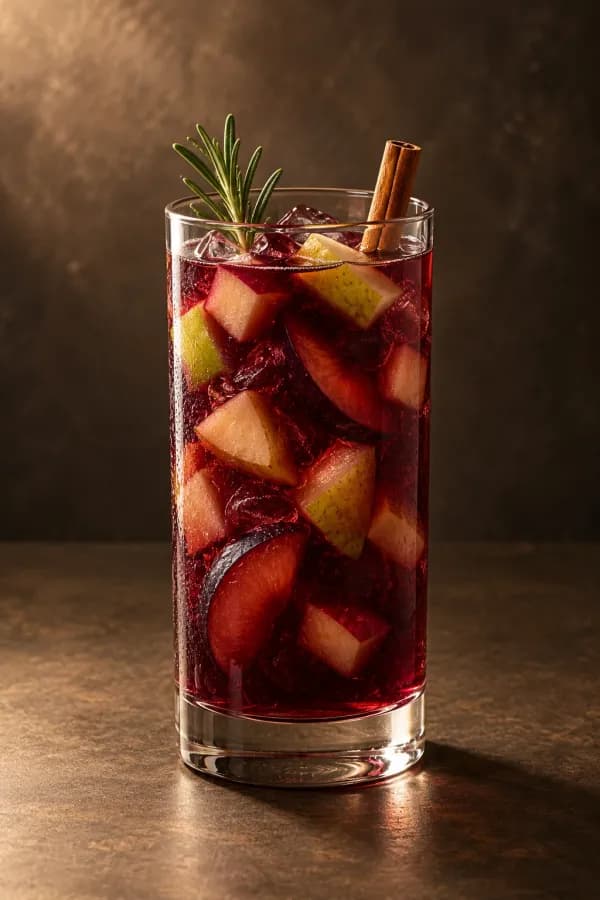
A photograph can help identify presentation. It does not replace a measure, a method or an ingredient declaration.
A worked specification boundary
For the Negroni, retain the card's 30 ml each gin, Campari and sweet red vermouth, with its built-over-ice method and garnish. Name the actual products used by the venue. If a prep sheet makes six bases, it needs 180 ml of each and a 90 ml base portion, followed by the original finish.
That base is not ready-to-pour merely because the liquids have been combined. The batch guide keeps water and service steps explicit.
Teach, demonstrate, repeat
The trainer explains the specification and ingredient checks, then demonstrates. The learner repeats the method under supervision and explains the important decisions. Use water first for measuring and station movement when appropriate.
Record what was observed: correct product, measure, method, glass, garnish, handling and handoff. Leave tasting observations blank until they happen. “Completed training” should not mean only that a person watched a video.
Speed comes after repeatability. A rushed pour that loses the intended amount is not successful because the glass reaches the guest sooner.
Product substitutions need a review
When a supplier changes, check flavour, strength, price, formulation, allergens, storage and the finished recipe. Obtain approval before changing the active specification. Update the component record and tell the team which version is current.
Keep the old version archived rather than overwriting its history. A guest complaint or stock variance may refer to a drink made under the previous specification.
A small training record
Write date, learner, trainer, recipe version, demonstration, supervised attempt, observations, corrections and sign-off. If further practice is needed, name the skill rather than calling the learner “slow”. An unfamiliar allergy request or equipment fault still follows the venue's escalation procedure.
The record can be paper or an existing shared document. Consistent use matters more than adding new software. Review it after a recipe changes and during ordinary team handovers.
FAQs
Can a picture serve as the full specification?
No. Quantities, products, method and handling still need words and units.
Should staff silently use the closest bottle?
No. Review and approve the change, then update the active specification.