Mastering Cocktail Citrus: Fresh Juice Techniques and Tips
Master fresh cocktail citrus with juicing techniques, citrus varieties, peel expressions, and storage tips. Learn why fresh juice transforms cocktails.
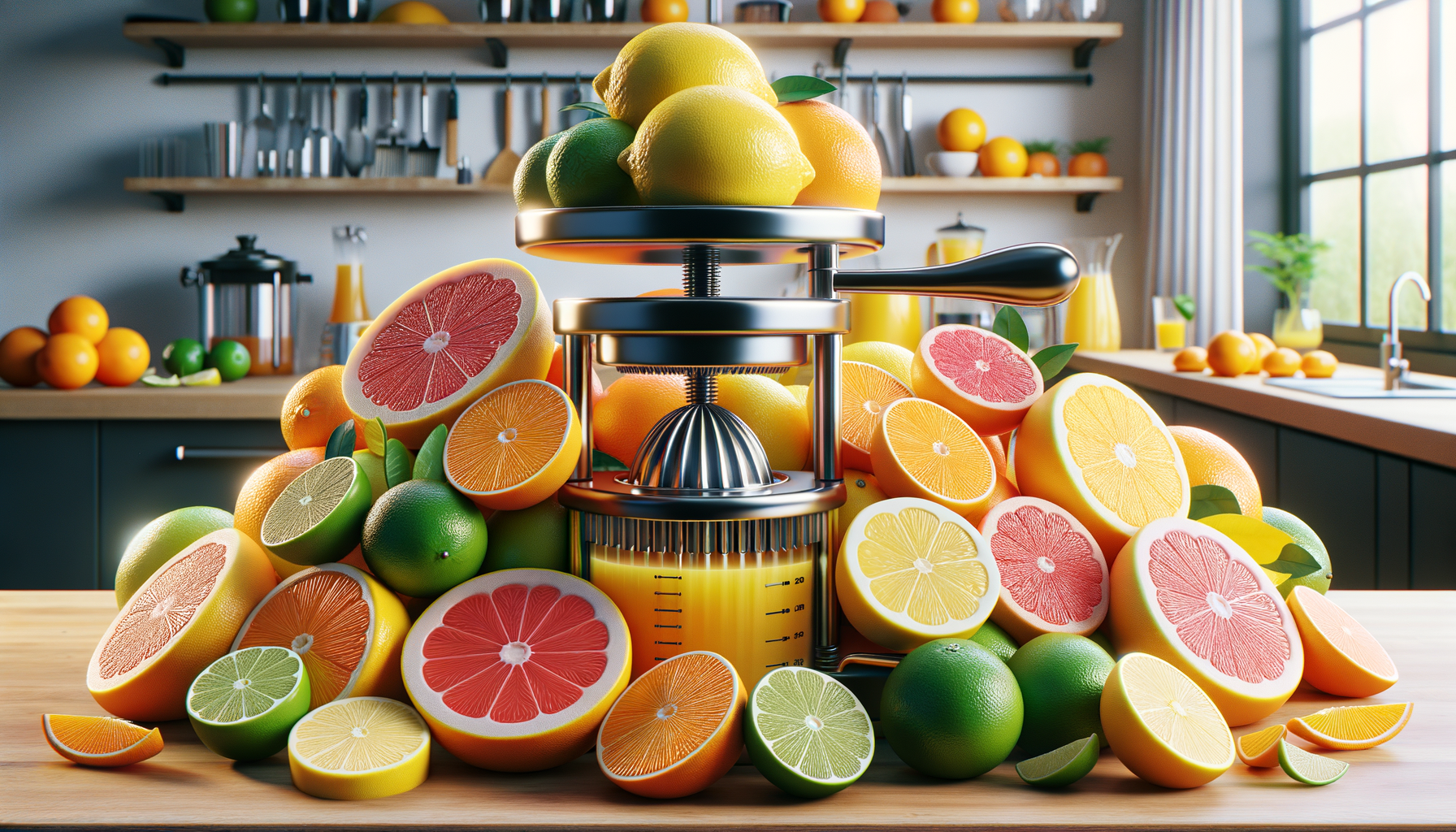
Mastering Cocktail Citrus: Fresh Juice Techniques and Tips
Citrus transforms cocktails from mediocre to magnificent—bright acidity balances sweetness, aromatics add complexity, and freshness elevates every sip. Yet most home bartenders sabotage their drinks with bottled juice, wrong citrus varieties, or poor technique. The difference between fresh-squeezed lemon in a Whiskey Sour and bottled "lemon juice" is night and day. Understanding citrus—varieties, juicing methods, storage, and applications—immediately improves home cocktails.
This comprehensive guide explores citrus for cocktails, from everyday lemons and limes to specialty fruits, helping you extract maximum flavor.
Why Fresh Citrus Matters
Bottled citrus juice tastes flat, artificial, metallic—nothing like fresh fruit.
What's Lost in Bottling
Volatile aromatics: Evaporate quickly after squeezing Fresh flavor compounds: Oxidize, creating stale taste Natural brightness: Dulls within hours of juicing Texture: Bottled juice thinner, less viscous
What Fresh Citrus Provides
Bright acidity: Balances sweetness, cuts through spirits Aromatic oils: From peel oils expressed over drinks Natural variation: Seasonal changes create interesting complexity Texture: Fresh juice has body, mouthfeel
Bottom line: Always use fresh citrus. No exceptions.
Essential Cocktail Citrus
Lemons
Flavor: Bright, tart, clean acidity Acidity: High (~pH 2.0-2.6) Yield: 1 oz juice per medium lemon Best for: Whiskey Sours, Tom Collins, Sidecars, Lemon Drops
Varieties:
- Eureka/Lisbon: Standard supermarket lemons, excellent for cocktails
- Meyer: Sweeter, less acidic—use less juice or add extra
- Organic: Less waxed peel (better for twists)
Season: Year-round, peak winter
Limes
Flavor: Tart, slightly bitter, tropical Acidity: Very high (~pH 2.0-2.35) Yield: 0.75-1 oz juice per medium lime Best for: Margaritas, Daiquiris, Mojitos, Gimlets
Varieties:
- Persian (Tahiti): Standard supermarket lime, seedless
- Key lime: Smaller, seedier, more aromatic (traditional for Key Lime Pie Martini)
- Kaffir: Aromatic leaves for garnish, not juice
Season: Year-round, peak summer
Oranges
Flavor: Sweet, less acidic, fruity Acidity: Low (~pH 3.5-4.0) Yield: 2-3 oz juice per medium orange Best for: Margaritas (with lime), Tequila Sunrises, Blood and Sand
Varieties:
- Navel: Sweet, seedless, good for juice and twists
- Valencia: Juicier, slightly more tart
- Blood orange: Beautiful color, slightly berry-like (winter)
Season: Winter-spring (blood oranges Dec-March)
Grapefruit
Flavor: Bitter-sweet, tart, complex Acidity: Medium (~pH 3.0-3.3) Yield: 3-4 oz juice per medium grapefruit Best for: Palomas, Greyhounds, Brown Derby
Varieties:
- Ruby Red: Sweet, pink flesh
- White/Yellow: More tart, traditional
- Oro Blanco: Sweet, less bitter
Season: Year-round, peak winter
Specialty Citrus
Yuzu
Flavor: Unique Japanese citrus, floral, mandarin-like Use: Expensive, use sparingly in high-end cocktails Availability: Asian markets, specialty stores (often as bottled juice—acceptable for yuzu)
Calamansi
Flavor: Filipino citrus, between lemon and mandarin Use: Tropical cocktails, Southeast Asian-inspired drinks Availability: Asian markets
Bergamot
Flavor: Aromatic, tea-like (Earl Grey flavor) Use: Primarily peel for aromatics, juice very tart Availability: Specialty, seasonal (winter)
Kumquat
Flavor: Sweet peel, tart flesh (eat whole) Use: Muddled in cocktails, garnishes Availability: Asian markets, specialty stores (winter)
Juicing Techniques
Hand Citrus Press (Recommended)
Equipment: Handheld Mexican elbow press or tabletop juicer Pros: Maximum juice extraction, filters seeds/pulp, affordable ($15-30) Cons: Manual effort, one fruit at a time
Technique:
- Roll fruit on counter (breaks internal membranes)
- Cut in half crosswise (not lengthwise—exposes more segments)
- Place cut-side down in press
- Squeeze firmly until no more juice flows
Yield: ~95% juice extraction
Electric Juicer
Equipment: Electric citrus reamer ($30-100) Pros: Faster for large batches, less effort Cons: More cleanup, doesn't filter well
Best for: Batch cocktails, parties
Bare Hands (Emergency Only)
Technique: Roll, cut, squeeze over strainer Yield: ~60-70% extraction Use: Only when no tools available
Reamer/Fork
Technique: Stab cut fruit with fork, twist Yield: Poor (~50-60%) Skip: Better methods exist
Fresh Citrus Best Practices
Selection
Look for:
- Heavy for size (more juice)
- Thin-skinned (more juice, less pith)
- Firm but slightly giving (ripe)
- Bright, unblemished skin
Avoid:
- Light/dry feeling (old, dehydrated)
- Very hard (underripe)
- Soft spots (overripe/rotting)
Preparation
Room temperature: Citrus yields more juice warm Roll before juicing: Breaks internal membranes Microwave 10-15 seconds: Increases yield (emergency technique)
Juicing Tips
Cut crosswise: Exposes more juice sacs Strain: Remove seeds, large pulp (fine pulp okay) Use immediately: Best within 4 hours Refrigerate: Up to 24 hours in airtight container
How Much to Juice
Plan for: 1 oz per lemon/lime for most cocktails Batch safety: Juice 20% extra (variation in citrus size) Examples:
- 10 Margaritas = 10 limes minimum (12 safer)
- 8 Whiskey Sours = 8 lemons minimum (10 safer)
Citrus Peels and Twists
Why Peels Matter
Essential oils in peel (not juice) add aromatic complexity:
- Lemon oil: Clean, bright, citrusy
- Orange oil: Sweet, fruity, aromatic
- Lime oil: Tart, tropical
- Grapefruit oil: Bitter, complex
Expressing peels releases oils across cocktail surface, adding aromatics to nose.
Creating Perfect Twists
Tools: Y-peeler, channel knife, or paring knife
Y-Peeler Method (easiest):
- Hold fruit firmly
- Peel 1-2 inch strip, avoiding white pith
- Should be thin, flexible
Channel Knife: Creates long spiral, impressive presentation
Paring Knife: Cut 1x2 inch rectangle of peel, avoiding pith
Expressing Citrus Oils
Technique:
- Hold peel colored-side-down over drink, 4-6 inches above
- Pinch firmly between fingers
- Oil sprays across drink surface
- Wipe rim with peel
- Garnish or discard
Flamed Peel (advanced): Express through flame for caramelized oils
Wheel vs. Wedge Garnishes
Wheels: Thin round slices, elegant (Gin & Tonic) Wedges: Practical for squeezing extra juice (Tequila shots, beer) Half-wheels: Compromise (Tom Collins)
Citrus in Different Cocktails
Sours (Whiskey Sour, Margarita, Daiquiri)
Ratio: 2:1:1 (spirit:citrus:sweetener) Citrus: Fresh lemon or lime essential Why: Citrus IS the cocktail—bottled ruins it
Spirit-Forward + Citrus Twist (Manhattan, Martini, Old Fashioned)
Citrus: Peel only, expressed then discarded or perched Why: Aromatic nose enhancement, no juice
Highballs (Gin & Tonic, Mojito)
Citrus: Wedge or wheel garnish, peel oils Why: Aromatic complement to drink
Tropical (Mai Tai, Piña Colada, Zombie)
Citrus: Multiple citrus types, often lime + orange Why: Balances tropical sweetness
Seasonal Citrus Variations
Winter (Dec-March)
Peak: Blood oranges, Meyer lemons, grapefruit, kumquats Use: Blood Orange Margarita, Meyer Lemon Drop, Grapefruit Paloma
Spring (March-May)
Peak: Regular lemons, early oranges Transition: Citrus quality declines toward summer
Summer (June-August)
Peak: Limes (peak flavor) Use: Lime-forward drinks (Mojitos, Daiquiris, Margaritas)
Fall (Sept-Nov)
Peak: Early season lemons, grapefruits returning Transition: Winter citrus begins
Adjust recipes: Seasonal acidity varies—taste and adjust sweetener
Storage
Whole Fruit
Room temperature: 3-5 days Refrigerated: 2-3 weeks (crisper drawer)
Best: Buy what you'll use within week
Fresh Juice
Immediately: Best Refrigerated: 24 hours maximum in airtight container Frozen: Don't—flavor degrades significantly
If you must store: Vacuum-seal to minimize oxidation
Peels
Fresh: Best used immediately Refrigerated: 2-3 days in damp towel Dried: Dehydrate for garnishes (not for oils)
Common Citrus Mistakes
Using bottled juice: Tastes flat, ruins cocktails Old juice: Oxidizes, loses brightness within hours Wrong variety: Meyer lemons when recipe needs regular Insufficient juice: Skimping creates unbalanced drinks Including pith: Adds bitterness (white part under peel) Not straining: Seeds and large pulp unpleasant Warm citrus: Room temp yields more juice Storing juice too long: Degrades quickly
Citrus Hacks
Maximum Yield
- Roll firmly on counter before juicing
- Microwave 10-15 seconds
- Room temperature fruit
- Cut crosswise (not lengthwise)
Emergency Substitutions
No fresh lime?: Lemon + tiny bit of sugar (not perfect, works okay) No fresh lemon?: Lime - tiny bit of sugar Out of citrus?: Remake cocktail (no good substitute)
Batch Juicing
For parties:
- Juice day-of if possible
- Refrigerate immediately in airtight container
- Stir before using (settles)
- Within 12 hours ideal
Budget Citrus Tips
Buy in bulk: Cheaper per fruit Frozen citrus for peels only: When you only need garnish Organic for peels: Less wax, better oils Conventional for juice: Fine, cheaper Seasonal buying: In-season = cheaper and better
Citrus Tools Worth Having
Essential ($15-30):
- Mexican elbow press or similar
- Y-peeler for twists
- Fine-mesh strainer
Upgrades ($30-80):
- Channel knife for elegant spirals
- Electric juicer for batching
- Zester for garnishes
The Fresh Citrus Commitment
Using fresh citrus requires planning:
- Buy citrus 1-2 times per week
- Juice immediately before making drinks
- Accept 5 minutes of prep time
Worth it? Absolutely. Fresh citrus transforms cocktails from acceptable to exceptional. The difference is dramatic, immediate, and undeniable.
Explore citrus-forward cocktails optimized for fresh juice, or create custom drinks highlighting seasonal citrus.
Master citrus—selection, juicing, expressing—and you master one of cocktail making's pillars. Here's to bright, balanced, citrus-forward perfection. Cheers!
Use Elixiary for this
Put what you learned into practice
Jump into Elixiary tools and make a drink now.