Alcohol-Free Drinks: Check the Label and Every Ingredient
Check alcohol-free drink labels and every ingredient, including bitters and fermented mixers, with a practical workflow and clearly scoped label examples.
The rules behind the craft: balance, dilution, temperature, texture. Learn the principles before the shortcuts.

Check alcohol-free drink labels and every ingredient, including bitters and fermented mixers, with a practical workflow and clearly scoped label examples.

Calculate estimated cocktail ABV from bottle strengths and measured volumes. See how water, serving size, US proof and UK alcohol units affect the numbers.

Learn cocktail families by ingredient roles, with sours, spirit-forward drinks, highballs and examples that help you read recipes and choose a next lesson.

Understand cocktail and bar terms, from neat, up and dry to rinse, float, parts and dashes, with practical examples and common ambiguities explained.

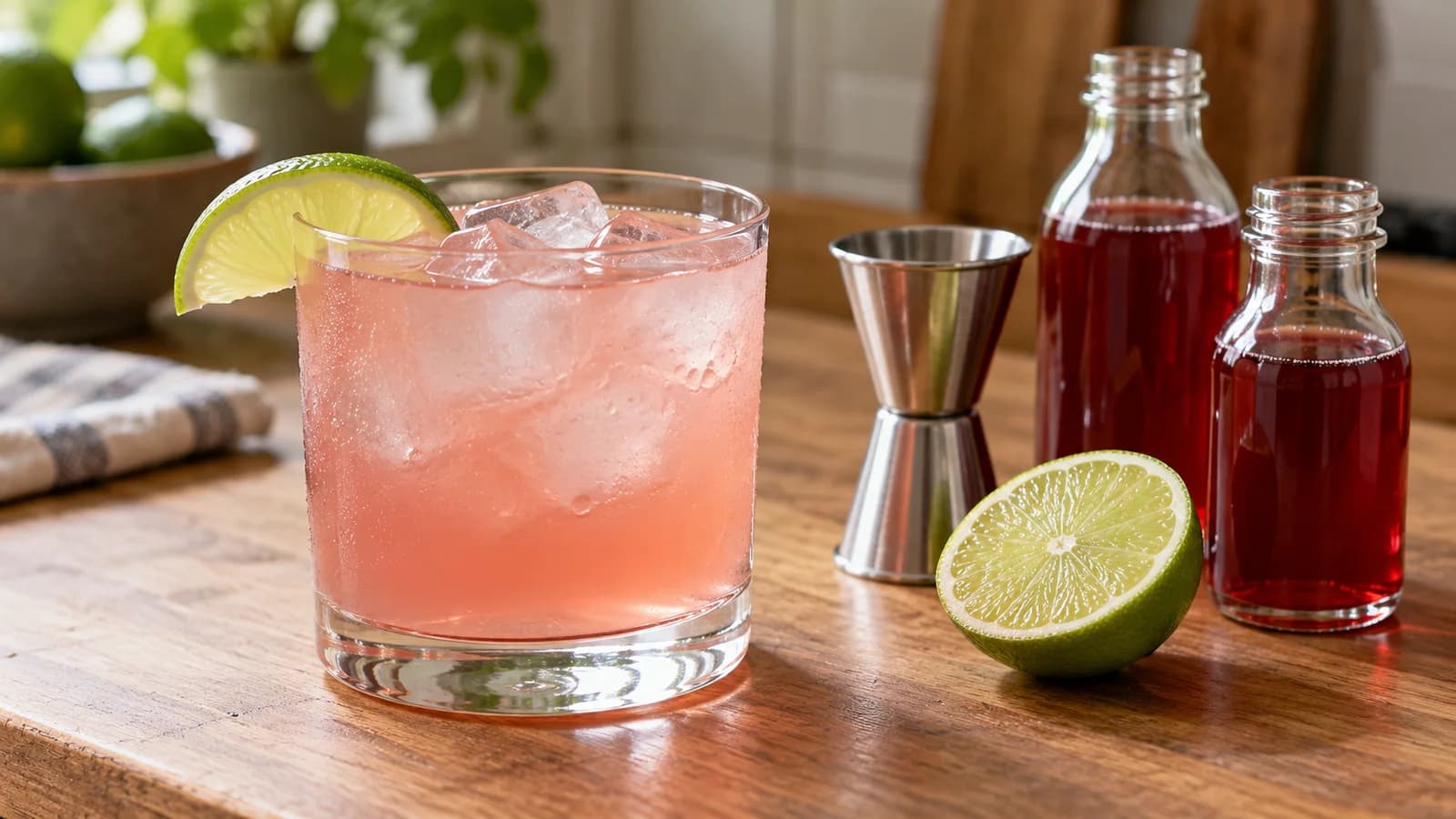
Build alcohol-free drinks from flavour roles, with two worked recipes, texture choices and practical ways to adjust sweetness, acidity and dilution.

Practise tasting cocktails with a simple aroma, flavour and texture routine, an alcohol-free exercise and notes that help you compare one recipe change.

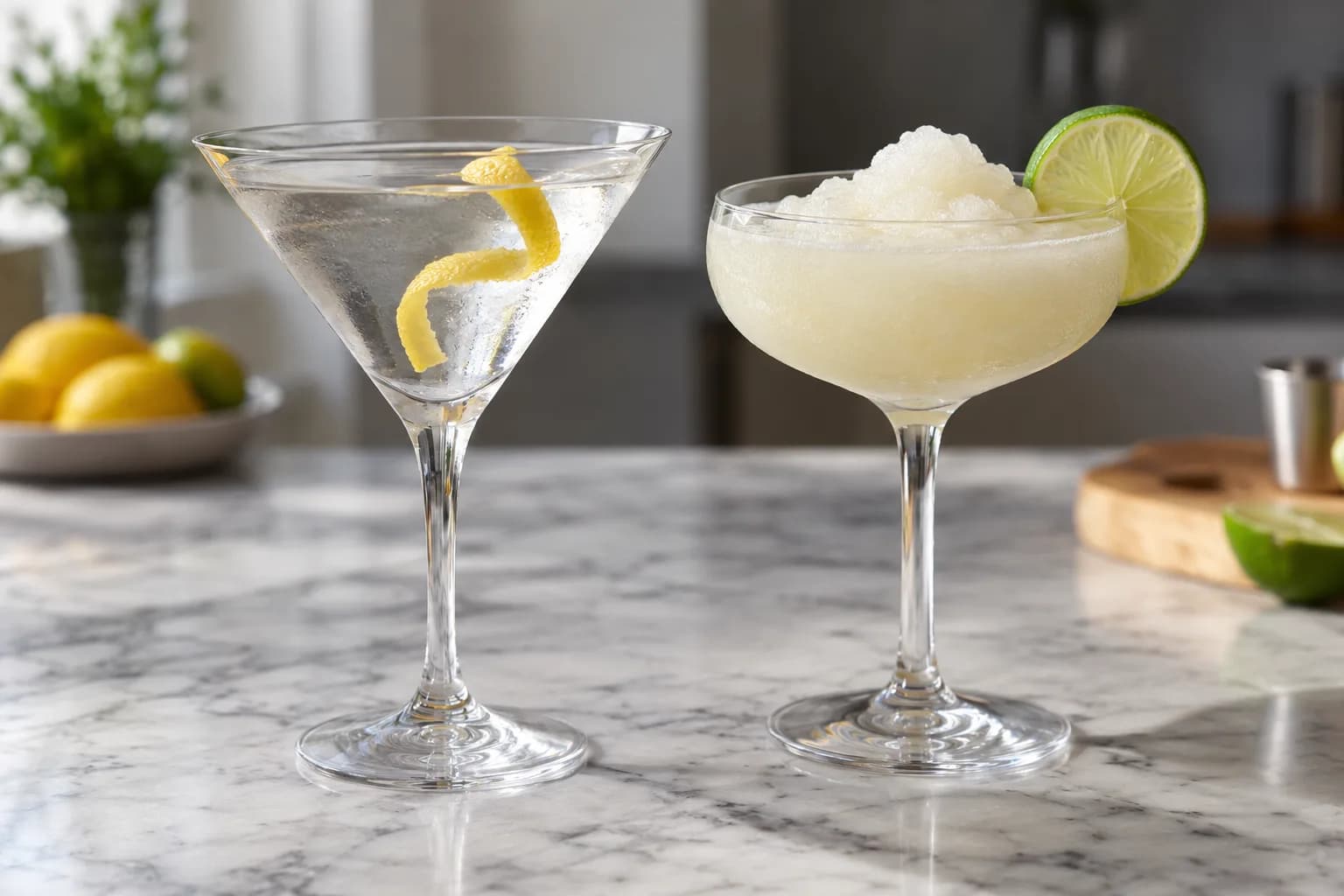
Compare a ready-to-pour freezer Martini with a blended frozen Daiquiri, preserving each producer’s water, ice and serving instructions.

Choose a cocktail by citrus, coffee, cream, brine or bubbles, then check its recipe and alcohol measures separately.

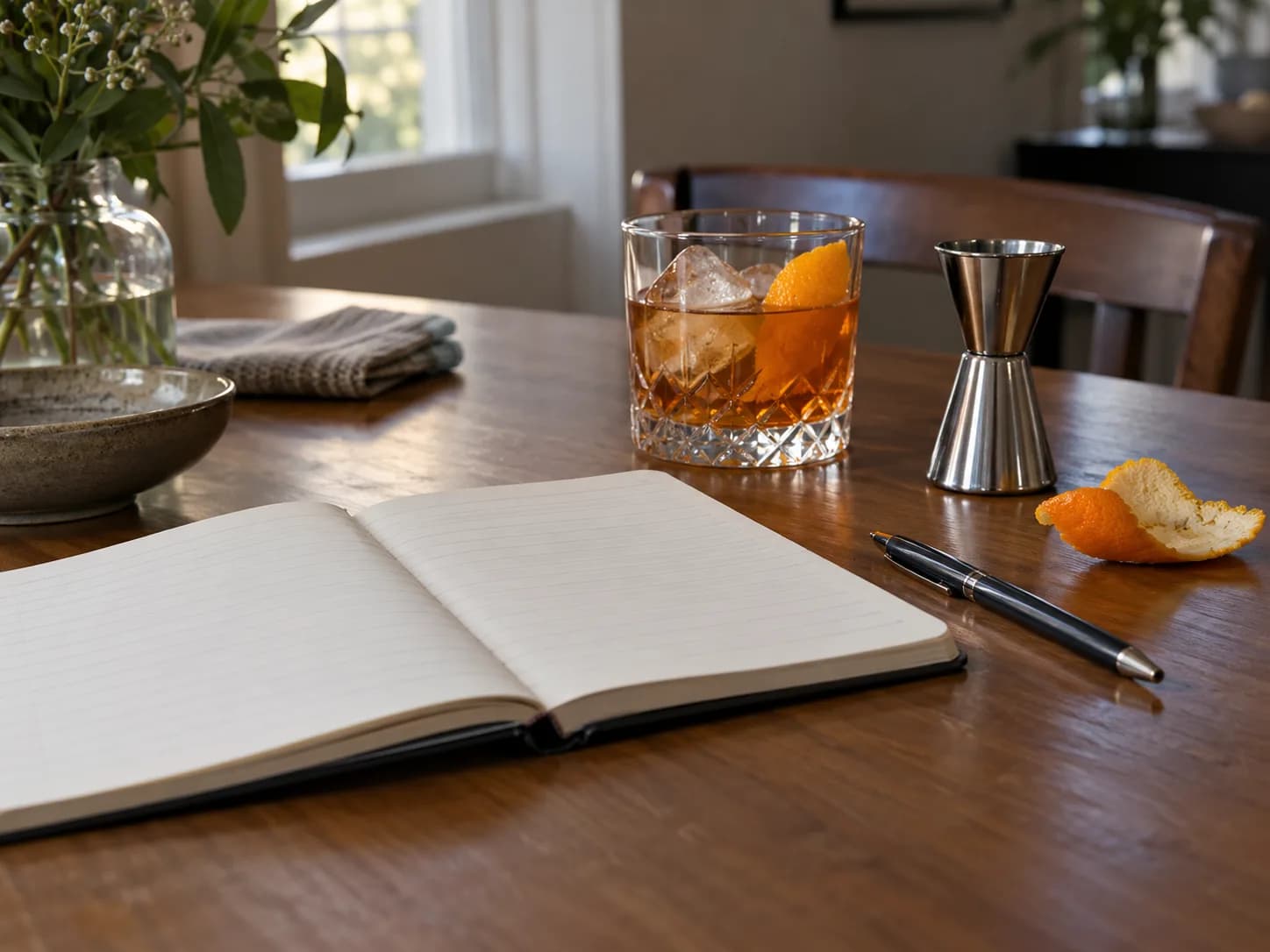
Keep a useful cocktail recipe record with exact products, measures, yield, method, changes and observations you can compare.

Check a generated cocktail recipe against named references, units, ingredients and a complete method before making one measured serving.

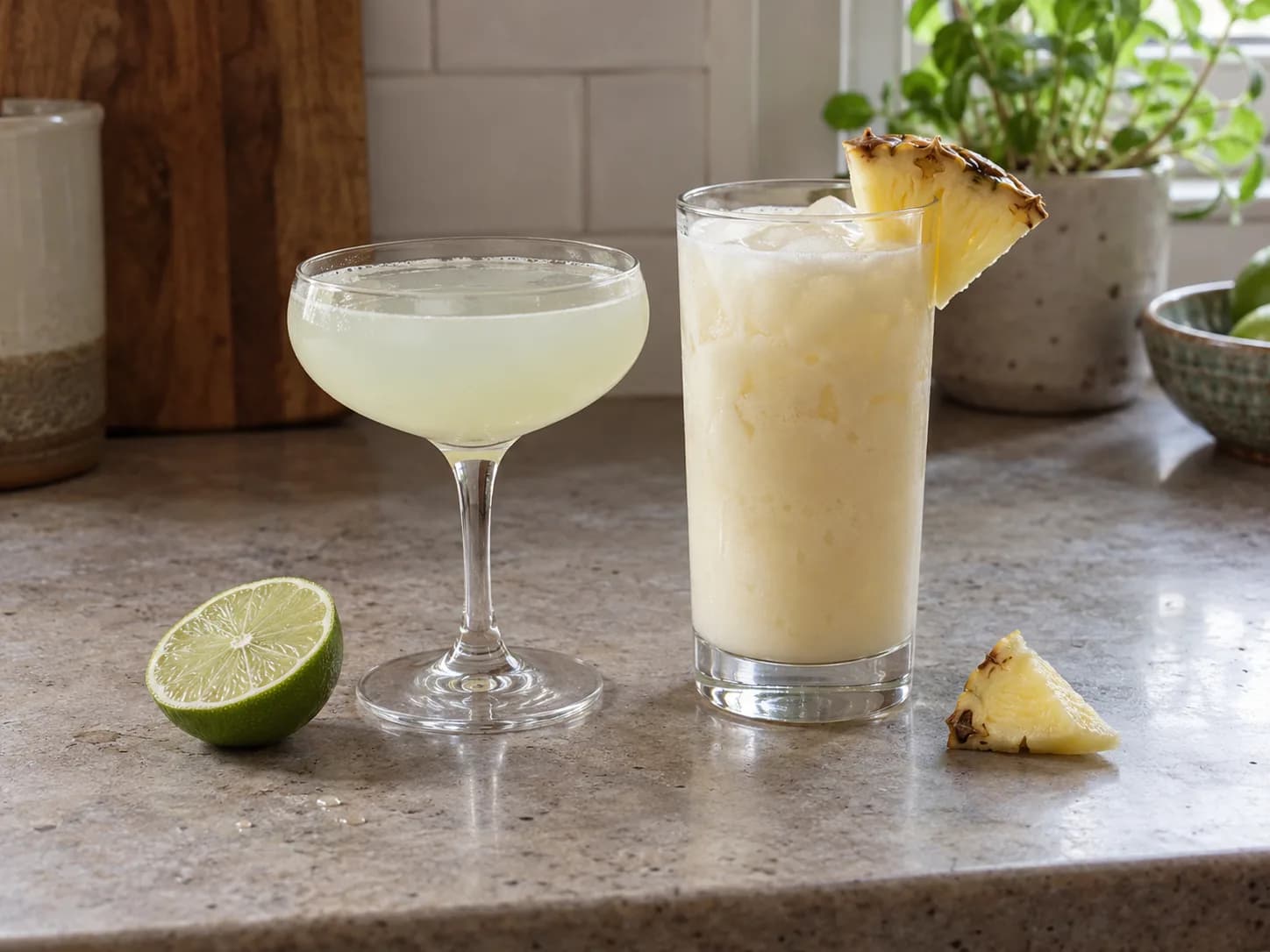
Compare cocktail recipes without tonic or Campari, with a measured Piña Colada and clear ingredient checks.

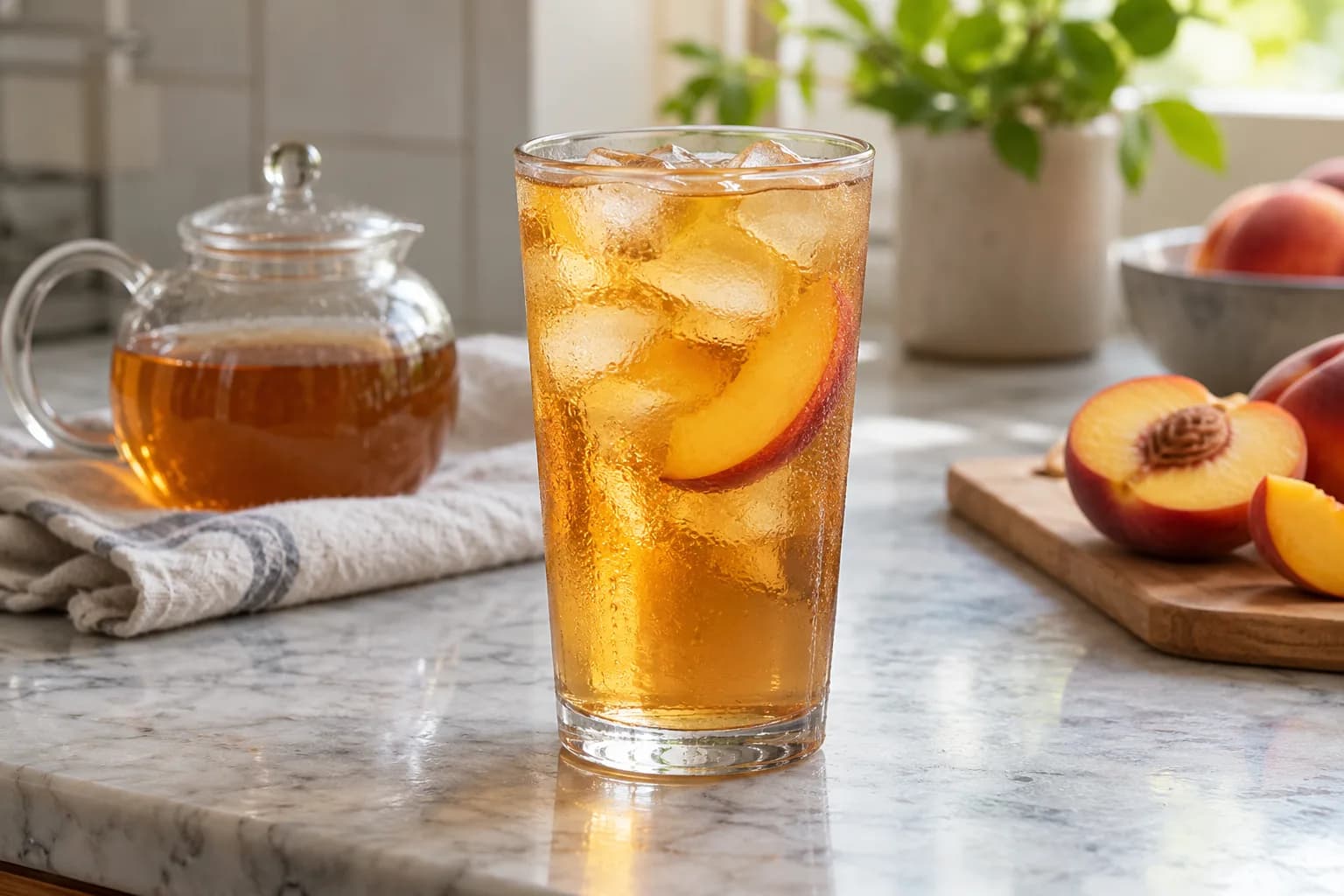
Make tea mocktails using the existing Earl Grey, peach green tea lemonade and rooibos recipes. Keep fixed measures and to-taste quantities distinct.

Make non-carbonated drinks with the measured Afterglow, watermelon agua fresca and mango lassi recipes. Compare ingredients, batch size and equipment.

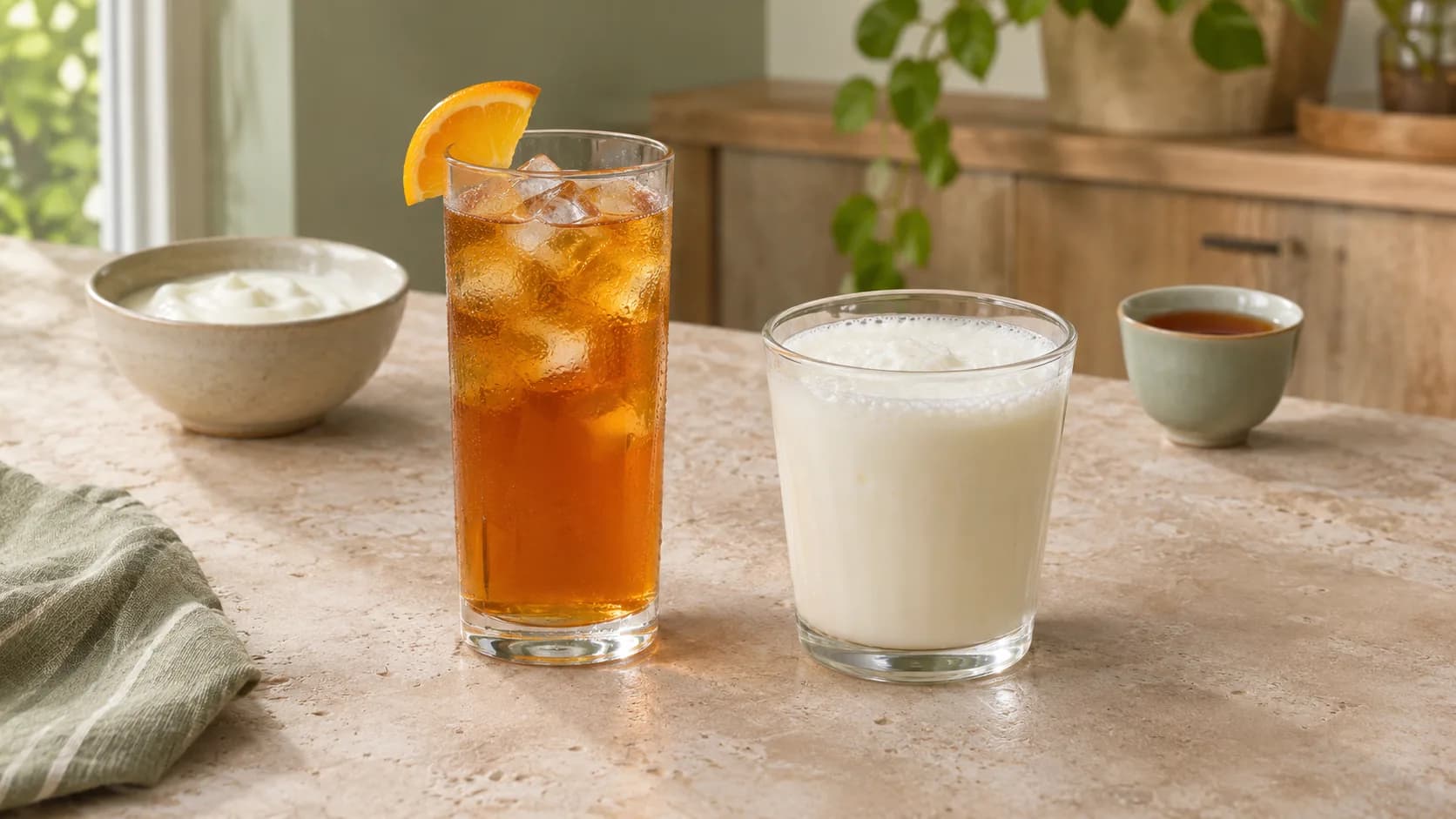
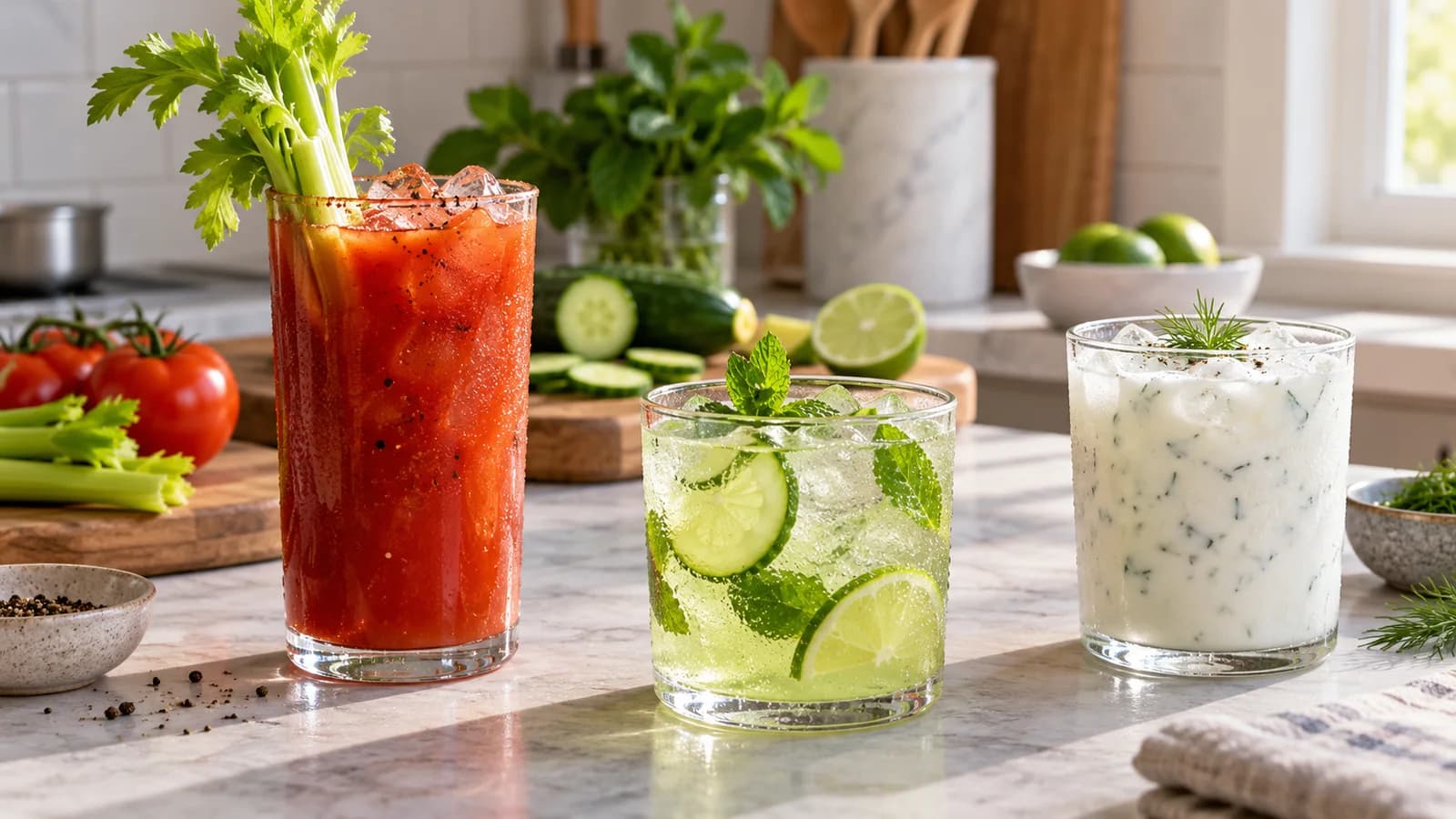
Choose less-sweet mocktails by flavour: savoury Virgin Mary, cucumber and mint agua fresca, or tangy Ayran. Follow the existing measured recipes.

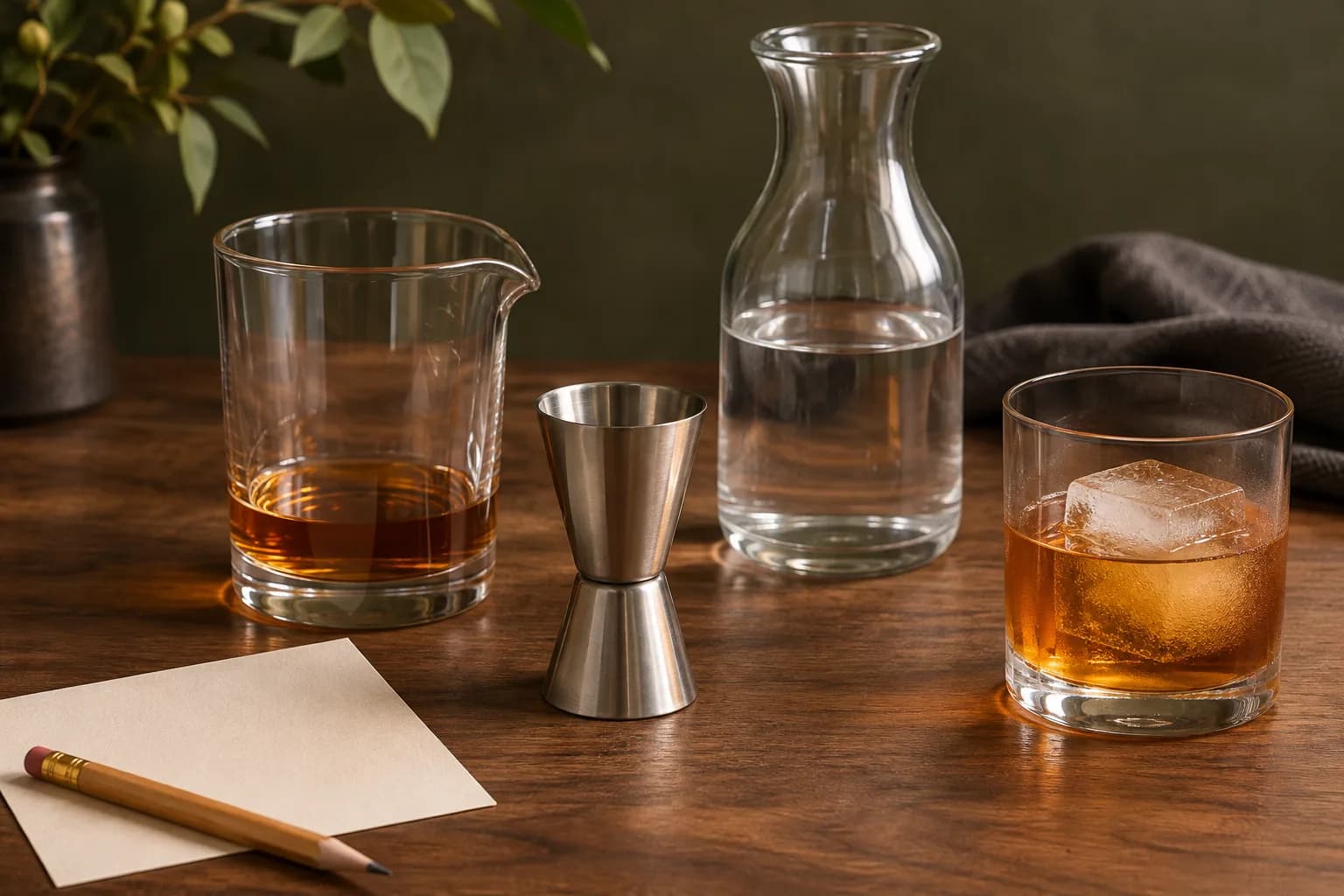
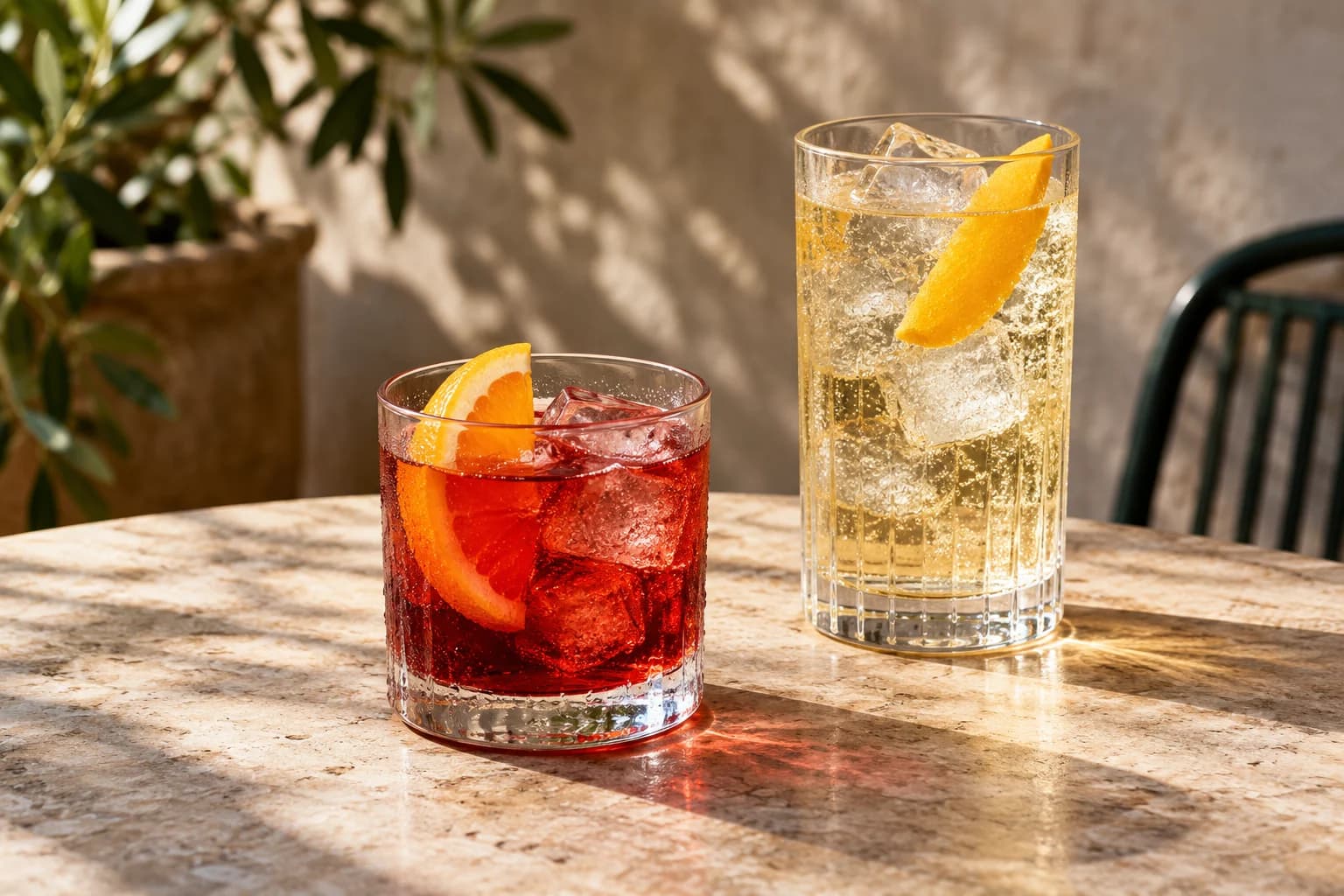
Make cocktails without a shaker using a glass, spoon and measure. Follow Negroni, Old Fashioned, Moscow Mule, Black Russian and Mimosa recipes.

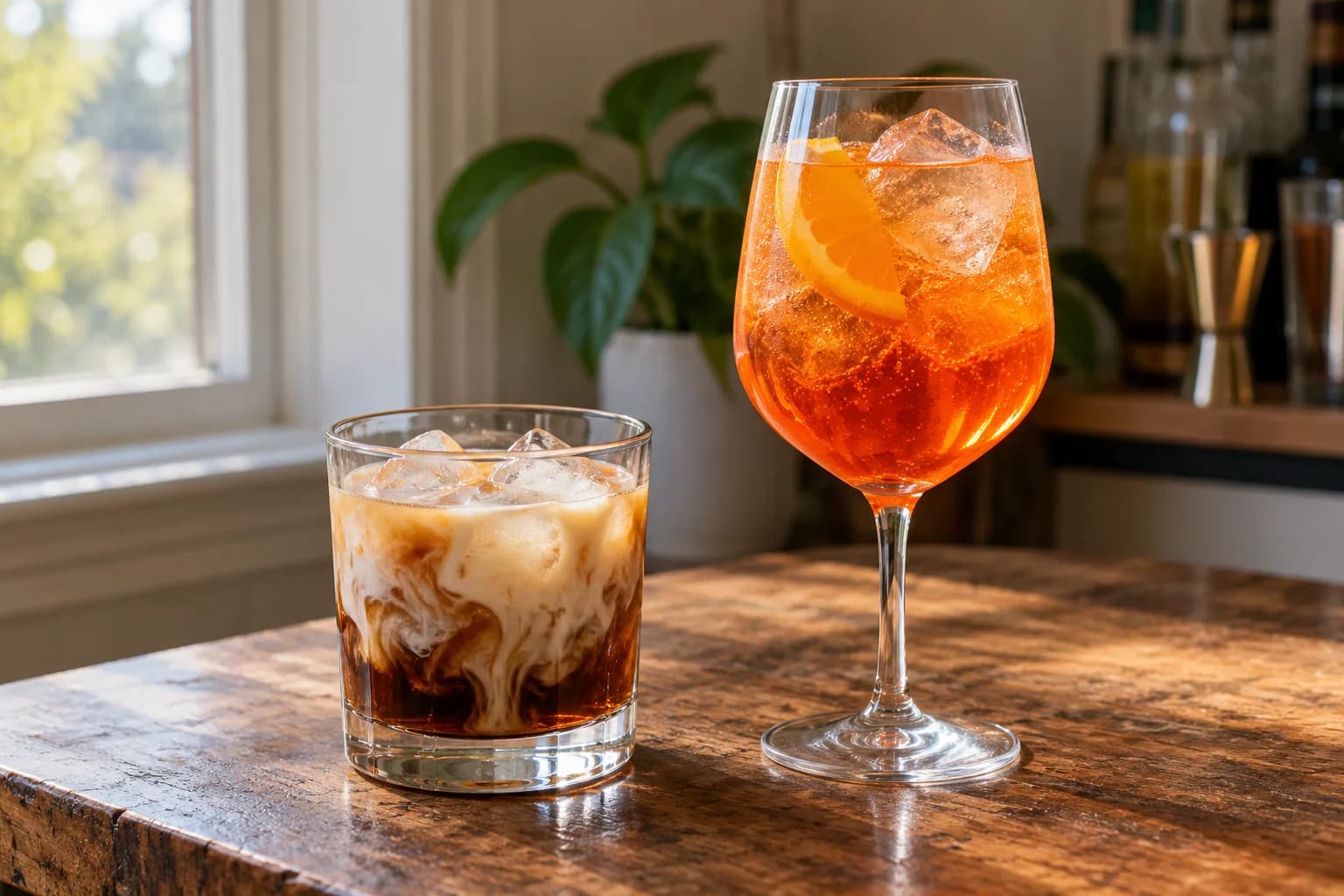
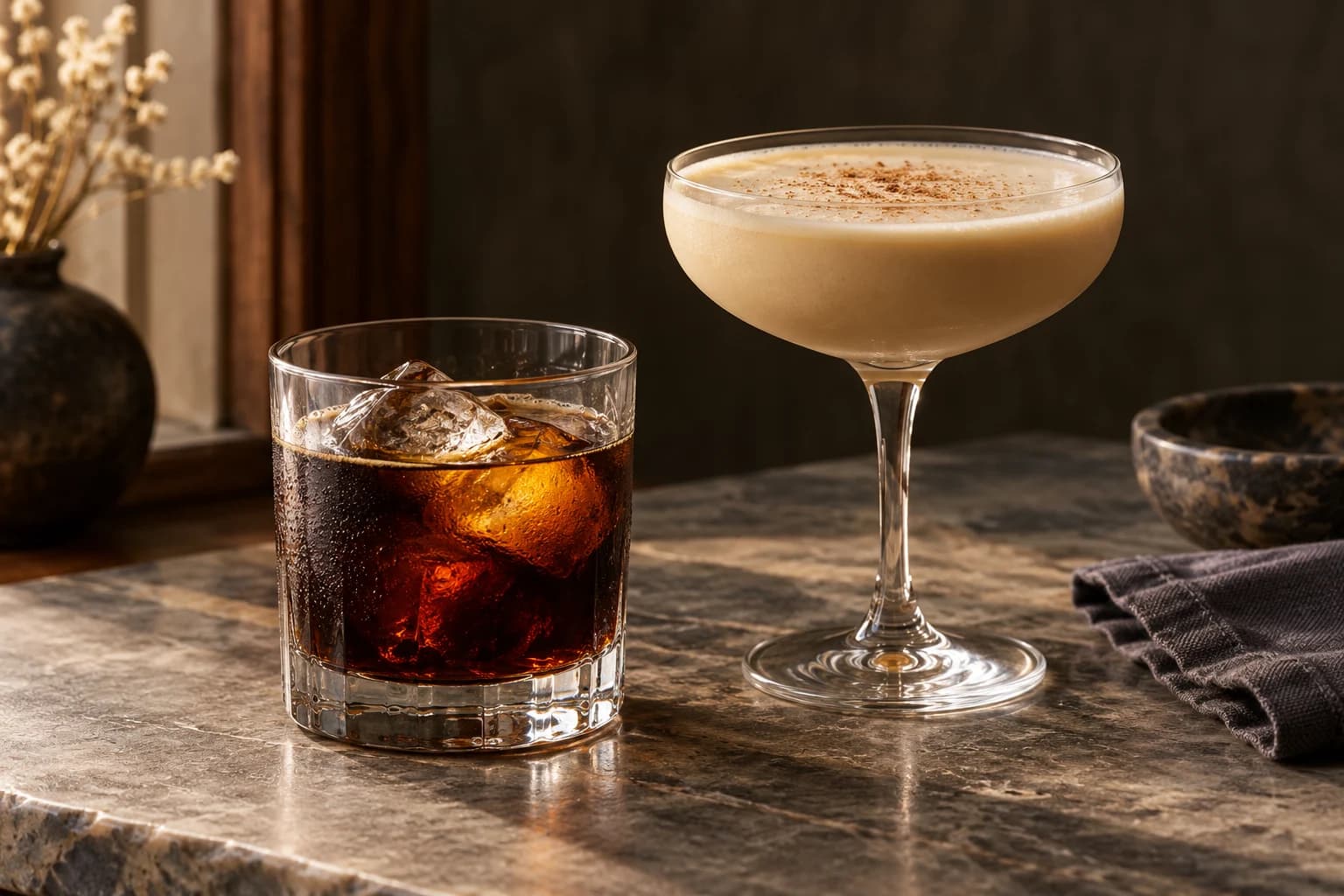
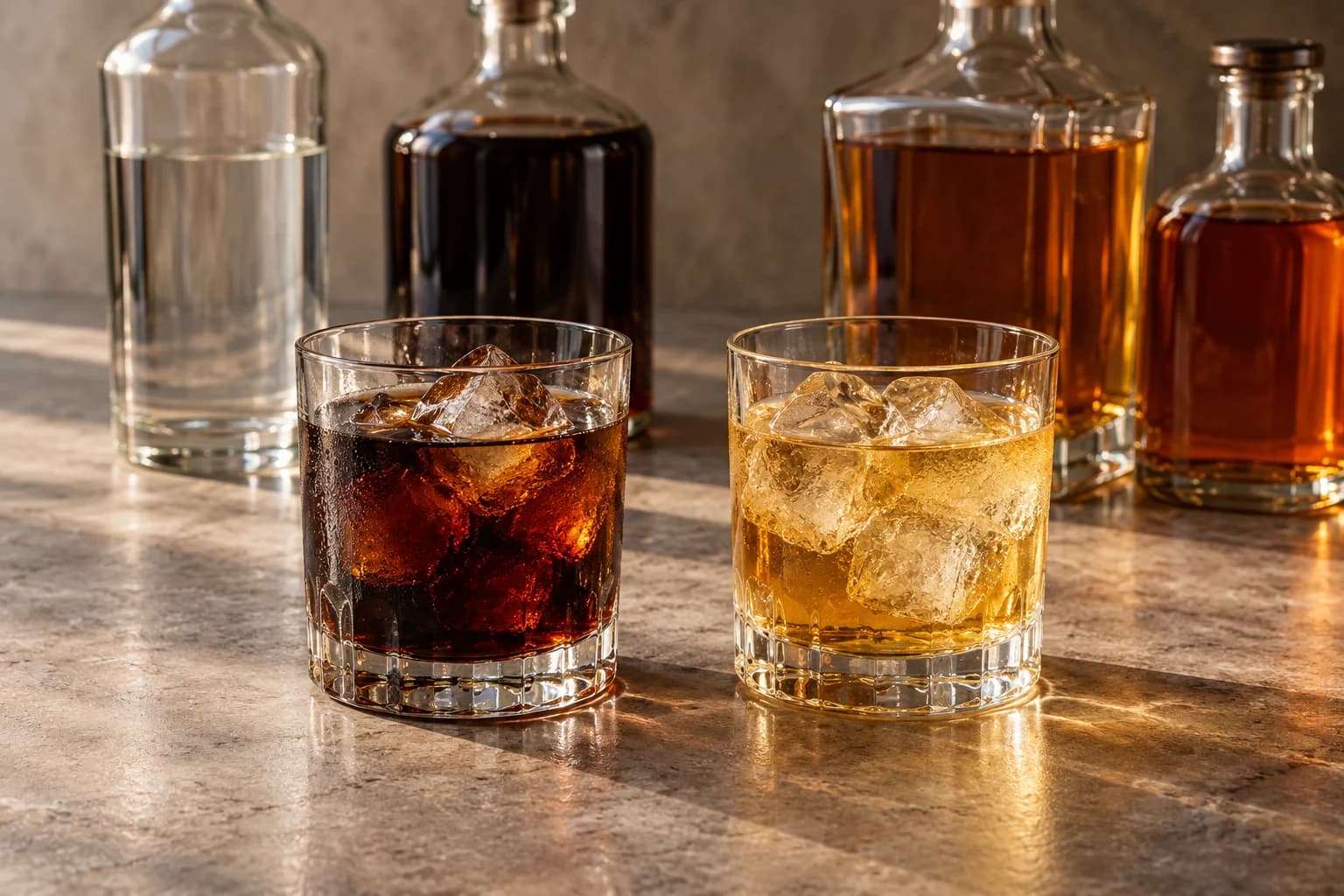
Make four cocktails without citrus juice, including Black and White Russians. Check hidden citrus ingredients separately when you need to avoid them.

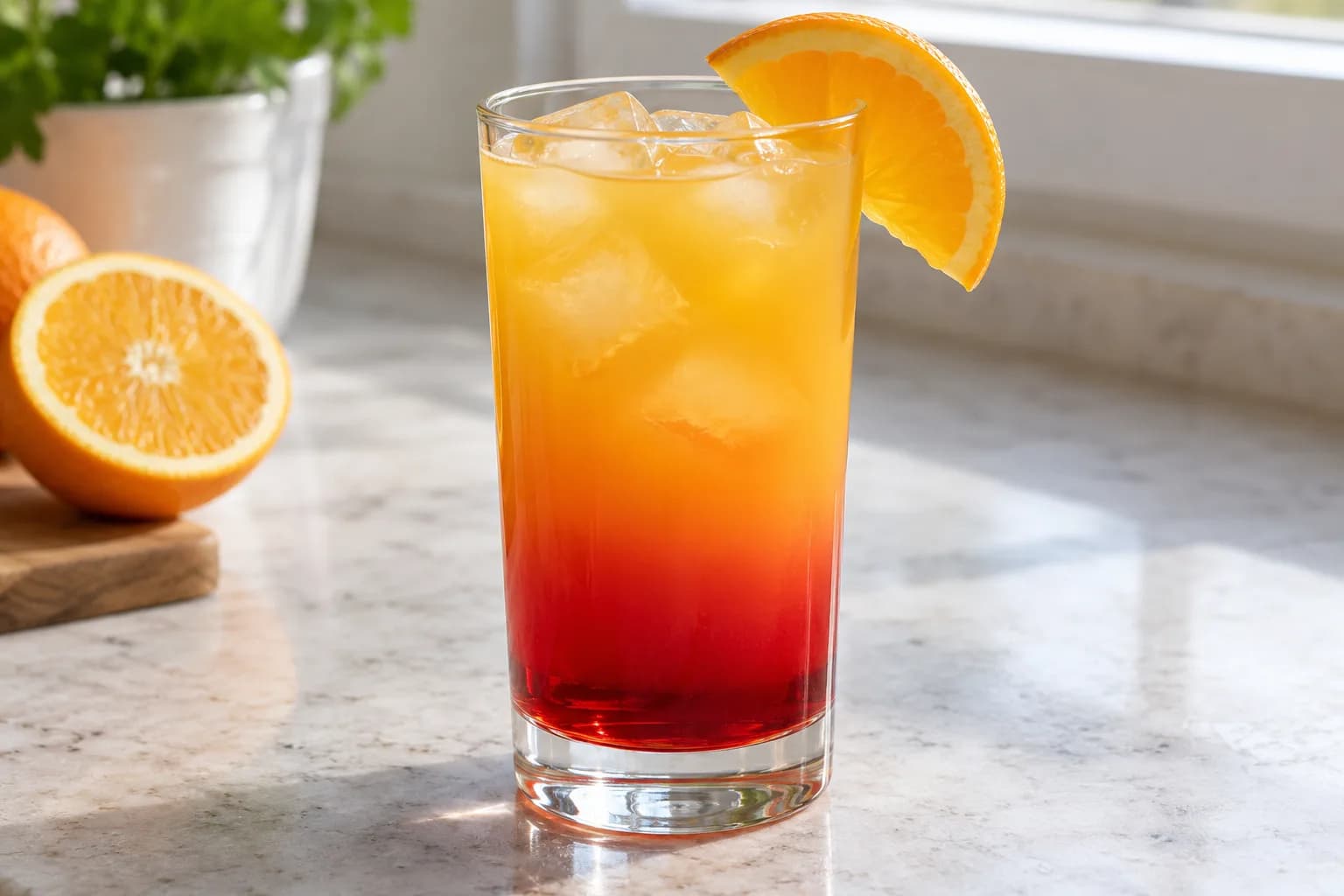
Compare low alcohol cocktails using measured Mimosa and Aperol Spritz recipes. Calculate example ABVs and check alcohol across the whole serving.

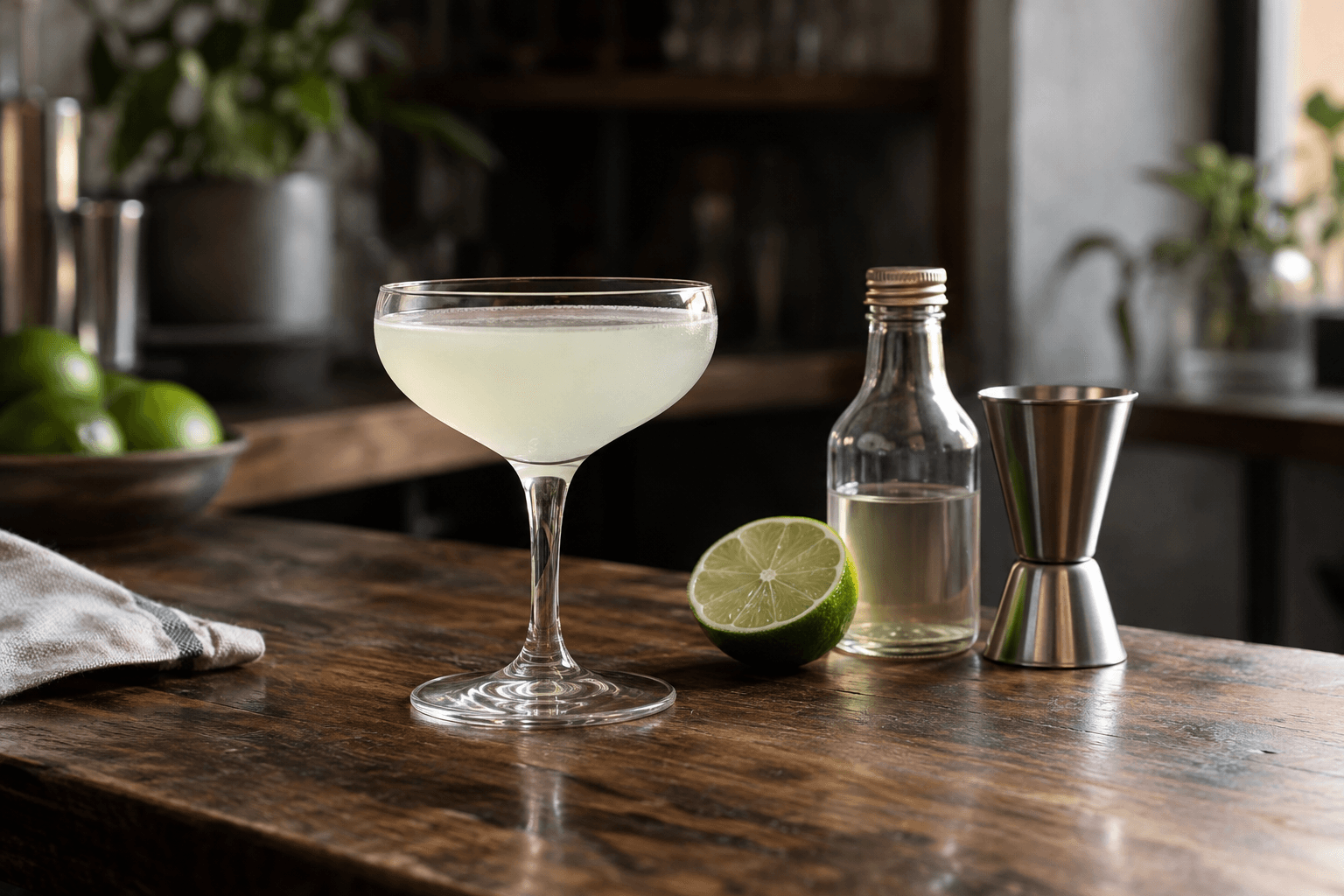
Make five two ingredient cocktails with vodka, whiskey, cognac, amaretto or sparkling wine. Get exact measures, methods and the tools each needs.

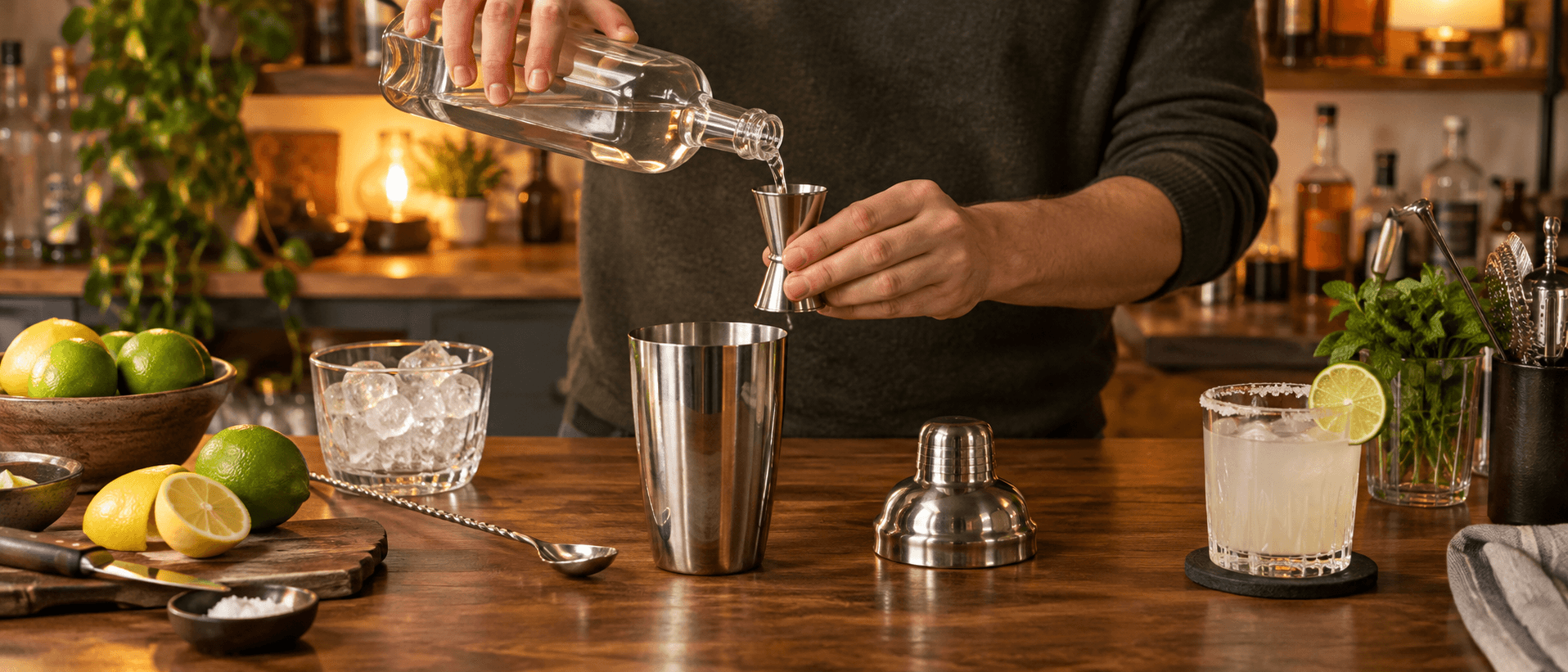
Get into mixology by learning four core techniques, repeating six classic drinks, tasting deliberately, and building a small bar around ingredients you will reuse.

Understand sweetness, acidity, alcohol and dilution in cocktails, then learn to make measured adjustments rather than rely on one universal ratio.

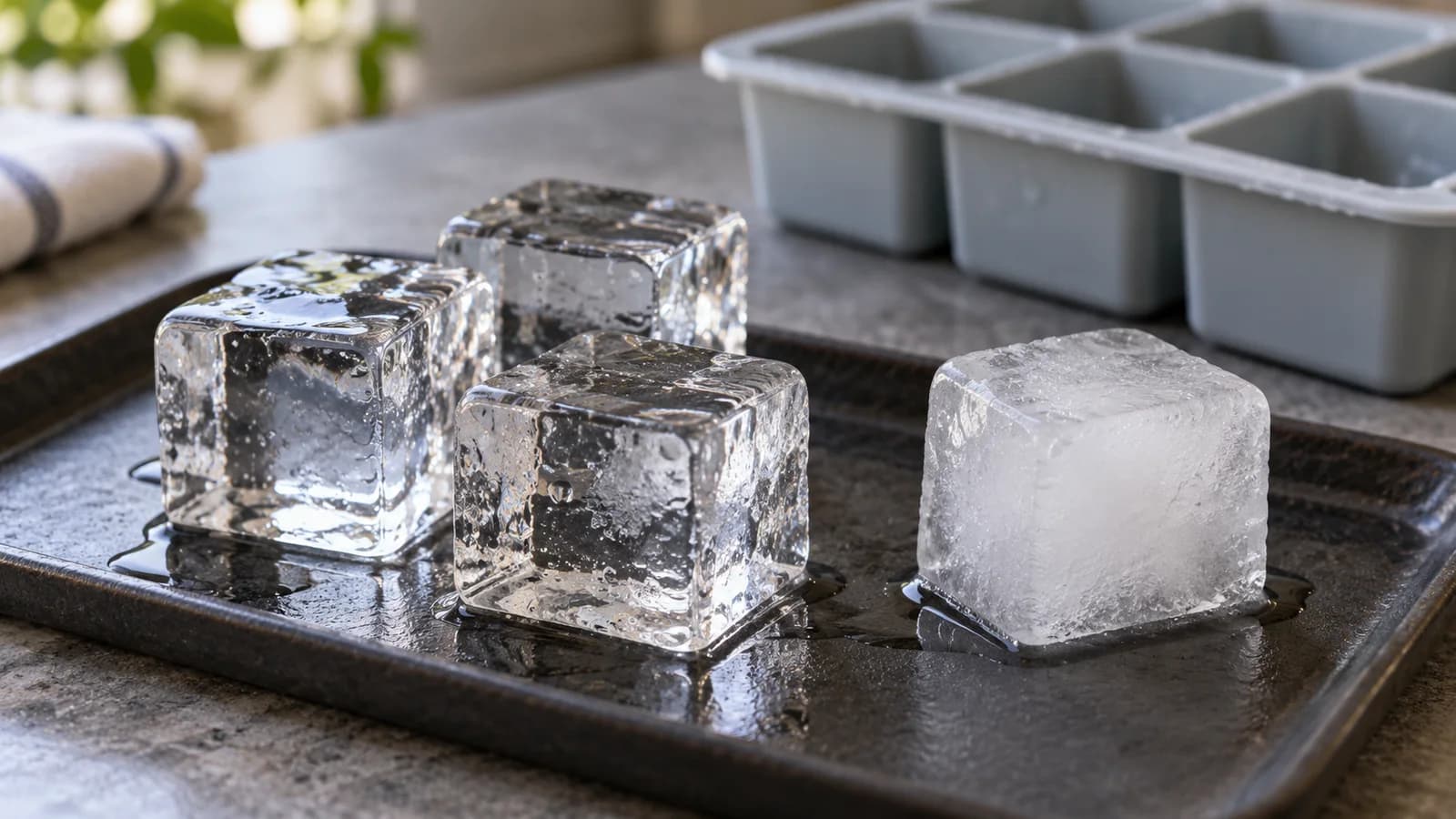
Choose ice for shaking, stirring and serving cocktails. Compare cubes, crushed ice and clear-ice methods without treating appearance as quality.

Troubleshoot watery, overly sweet, sour or flat cocktails by checking measurements, ingredients, dilution and technique one step at a time.

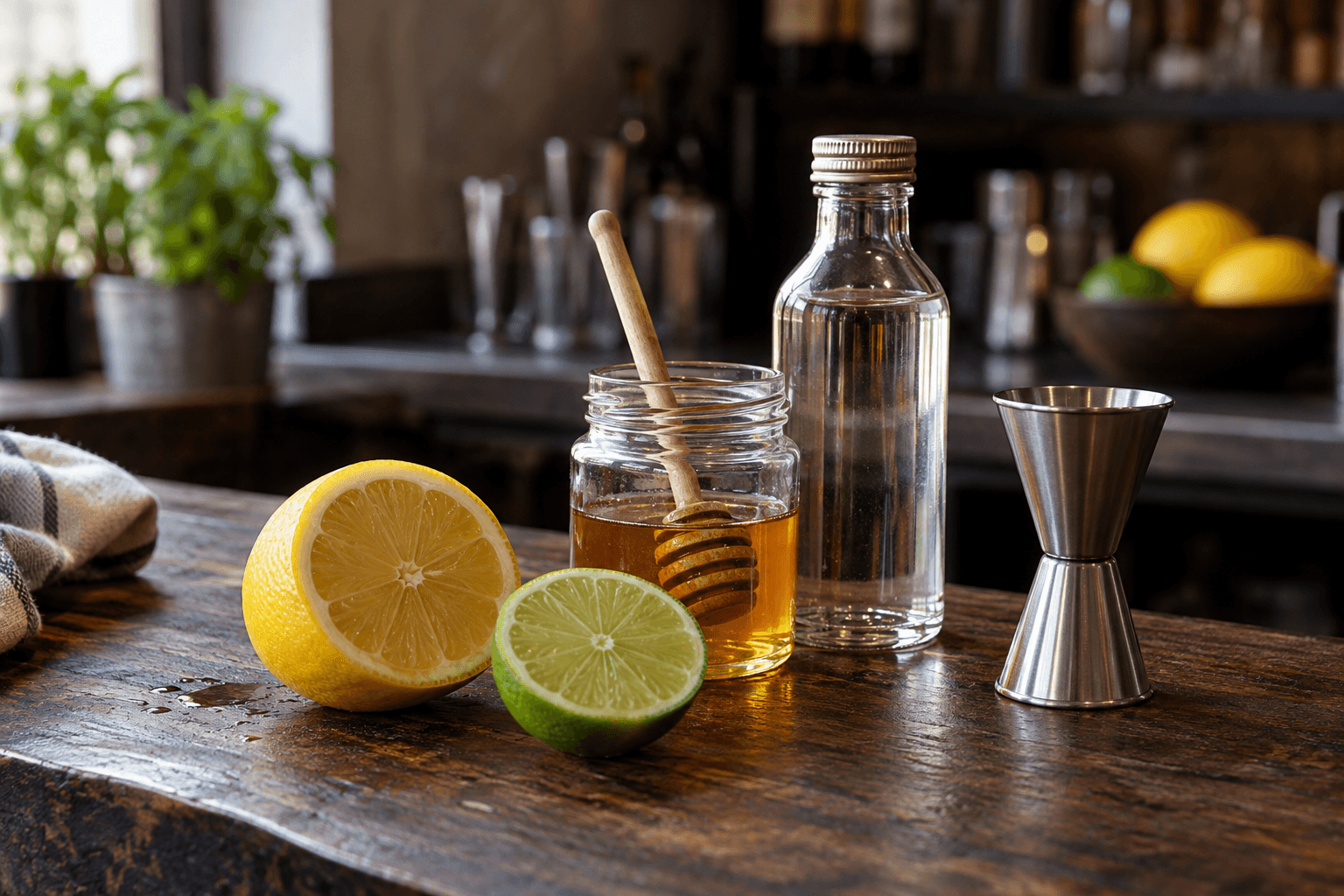
Assess cocktail substitutions for syrup, citrus, vermouth and liqueurs by flavour and function, and know when to choose a different recipe.

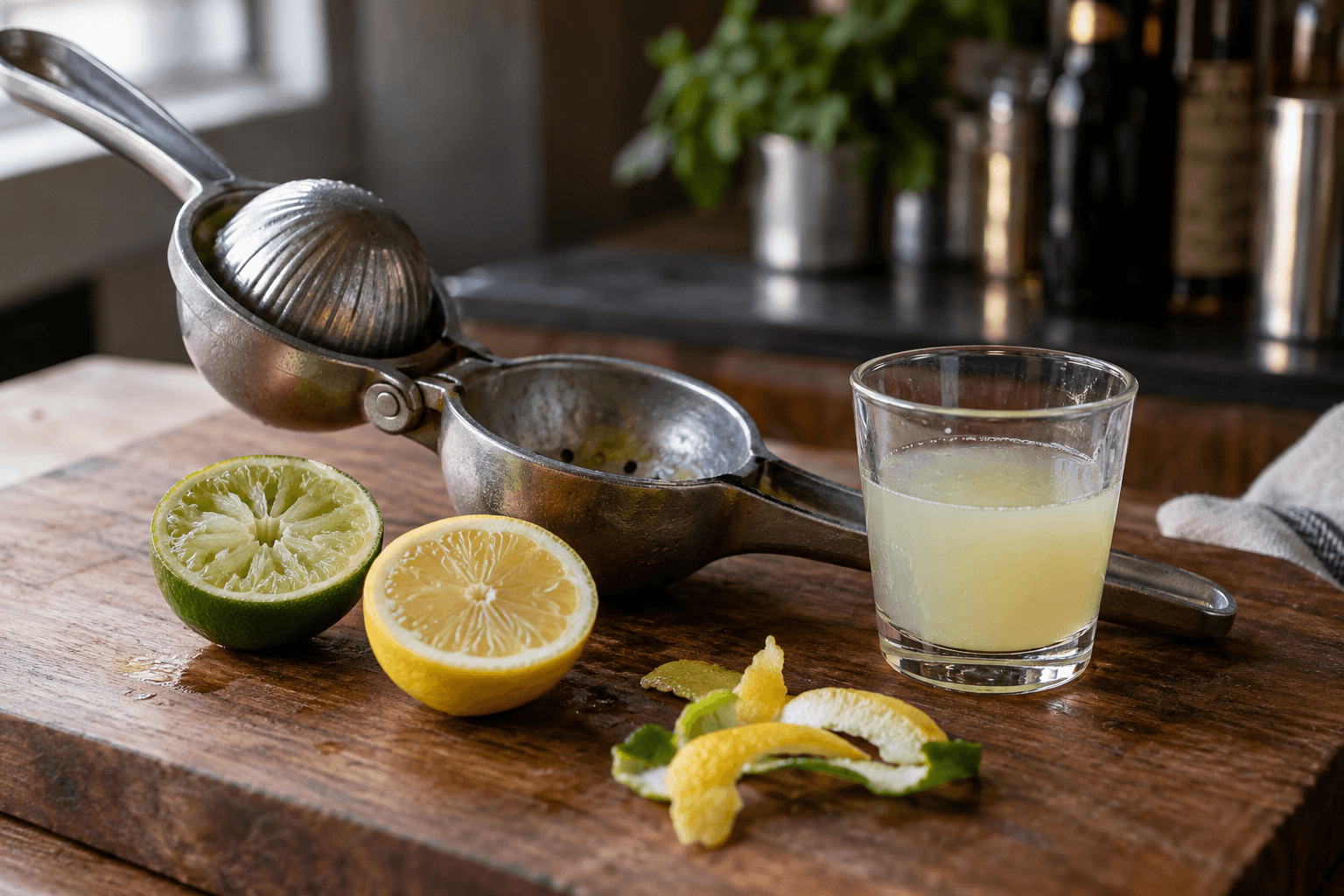
Prepare citrus juice and peels for cocktails, compare common fruits and learn practical juicing, garnishing and storage considerations.

Scale cocktail recipes for a party, plan dilution and chilling, and keep sparkling ingredients and perishable mixtures handled appropriately.