“Too sweet after the first sip” is a useful tasting note. “Smooth, elegant and perfectly balanced” tells you much less about what to change next time.
To taste a cocktail deliberately, smell it, take a small sip, notice flavour and texture separately, then describe what remains. Keep the recipe and serving conditions with the note. You are recording your own experience, not trying to find the words a label says you should taste.
Give yourself one question
Choose a drink you already know, or use a familiar alcohol-free drink. Ask something narrow: does the citrus stand out, does the finish seem bitter, or does the drink feel thin?
Use a clean glass and a clean tasting spoon if you need one. Strong nearby perfume, cooking aromas or a scented candle can distract from the drink. You do not need special glassware, a score out of 100 or a flight of spirits.
If you are comparing two versions, keep their glass, serving amount, temperature and preparation as similar as practical. Otherwise, you may end up comparing a freshly chilled drink with one that has been warming while you made the second.
Separate smell, taste and mouthfeel
Flavour includes more than the tongue's response. The NIDCD explanation of taste describes the contribution of smell and other sensations, including temperature and texture. That helps explain why a citrus peel can change your experience without adding a meaningful measure of juice.
Use three separate lines in your notes:
| Line | What you are describing | Useful words to try |
|---|---|---|
| Aroma | What you notice by smelling | Lemon peel, mint, coffee, spice, little aroma |
| Taste | Sweetness, acidity, bitterness, saltiness or savoury character | Sweet at first, sharp citrus, bitter finish |
| Mouthfeel | The physical impression | Thin, thick, creamy, frothy, fizzy, drying |
Bitterness is a taste description. Astringency is the drying or puckering feeling you might notice with some teas. They can occur together, but writing down which you mean helps when choosing a change.
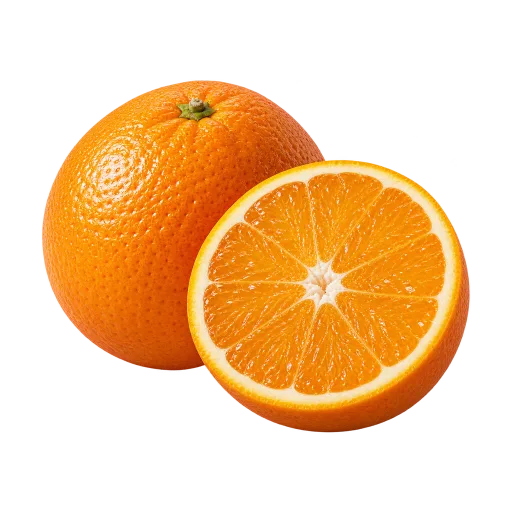
Be specific enough to recognise the observation later. You do not have to identify a rare botanical. “Smells of orange peel” is a perfectly good description.
A short tasting routine
- Record the starting point. Save the recipe link, exact products, quantities, ice and method. Our recipe notebook has a simple form.
- Look briefly. Note anything relevant to the intended drink: a foam cap, visible pulp, ice or separation. Appearance alone cannot establish that a stored drink is safe.
- Smell gently. Start a little above the rim. Move the glass away if the aroma feels overwhelming; forcing a deep sniff is unnecessary.
- Take a small sip if you choose. Notice the first impression, then texture and the flavour that remains. You do not need to finish a drink to evaluate it.
- Write one observation before changing anything. “More lemon than I wanted” is a finding. “Add syrup” is a proposed response. Keep the two separate.
- Choose one next step. Repeat the recipe, compare one measured change, or choose another style. Not liking a drink does not automatically mean it was badly made.
Professional tasting education uses structured approaches to organise observations. WSET publishes information about its own system. The routine here is a simple cocktail-practice exercise, not a reproduction of that system or a professional qualification.
Try an alcohol-free aroma exercise
You can practise separating aroma from taste with plain water and a washed lemon.
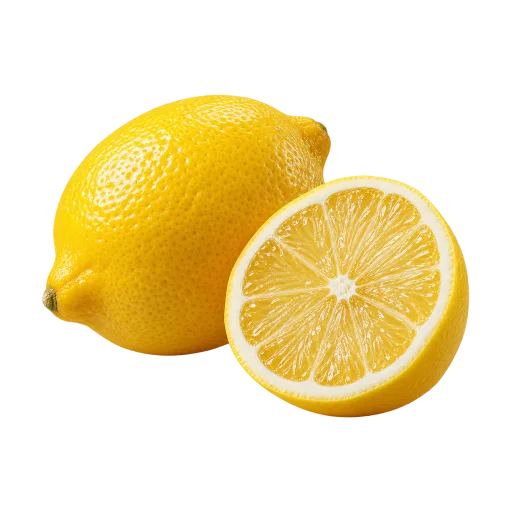
Put 50 ml drinking water in each of two clean small glasses. Leave one plain. Use a clean peeler to remove a small strip of yellow lemon peel, then gently squeeze the peel over the second glass so its oils land above the water. Keep juice out of both glasses, and set the peel aside.
Smell the two samples before choosing whether to sip. Record whether you notice a difference in aroma. Then describe any difference you notice while tasting. This is a suggested observation exercise, not a claim that Elixiary measured a result or that everyone will perceive the same thing.
The point is to give “lemon aroma” its own line, rather than automatically describing any lemon-associated sensation as sour. Skip the ingredient if it does not suit you. Our citrus guide covers washing fruit and expressing peel oils.
Compare one recipe change
Suppose you are working from a measured sour and find it sweeter than you want. Save that observation. On the next attempt, change a small measured amount of the sweetening ingredient while keeping the other quantities and method the same.
Use your recipe's own units and sweetener specification. A change in a rich syrup is not directly equivalent to the same volume of basic syrup. Replacing a liqueur would also alter alcohol and flavour.
The comparison is useful even if you prefer the original. It tells you something about that recipe and your preference. It does not establish a new universal sour ratio. See the balance guide for the adjustment process.
Avoid changing the spirit, juice, syrup and garnish together. You may like the new drink, but you will have little evidence about which change helped.
Keep the observation separate from the prediction
A simple record is enough:
| Field | What to write |
|---|---|
| Question | The one thing you wanted to notice |
| Recipe and conditions | Source, products, quantities, ice, method and serving context |
| Observation | Your own aroma, taste and texture description |
| Preference | What you liked or disliked |
| Next attempt | One measured change, or repeat unchanged |
Do not fill the observation line from the recipe's tasting description. That text may help you understand the writer's intention, but it is not evidence of what you experienced.
If you revisit a drink as its serving ice melts, record that too. The later sample has changed temperature and dilution; it is not a controlled comparison with the first sip. The ice guide explains why those conditions matter.
Keep samples modest and stop whenever you want. Tasting tells you about flavour and preference. It cannot certify allergen removal, alcohol-free status or safe storage.
FAQs
Do I need to taste neat spirits to learn cocktails?
No. You can practise observation with familiar drinks, alcohol-free recipes and separate food ingredients. Measuring and note-taking do not require drinking alcohol.
What should I write if I cannot identify the flavour?
Describe the broader impression: citrus, herbal, sweet, bitter, creamy or drying. “I cannot identify it yet” is more useful than copying a confident description you did not experience.
Does a bitter finish mean the drink is wrong?
Not necessarily. Bitterness is intentional in some styles. Decide whether the result fits the recipe and whether you enjoy it before trying to correct it.
Should I give every drink a score?
A score is optional. For learning, a specific observation and one clear next step usually provide more useful information than a number alone.