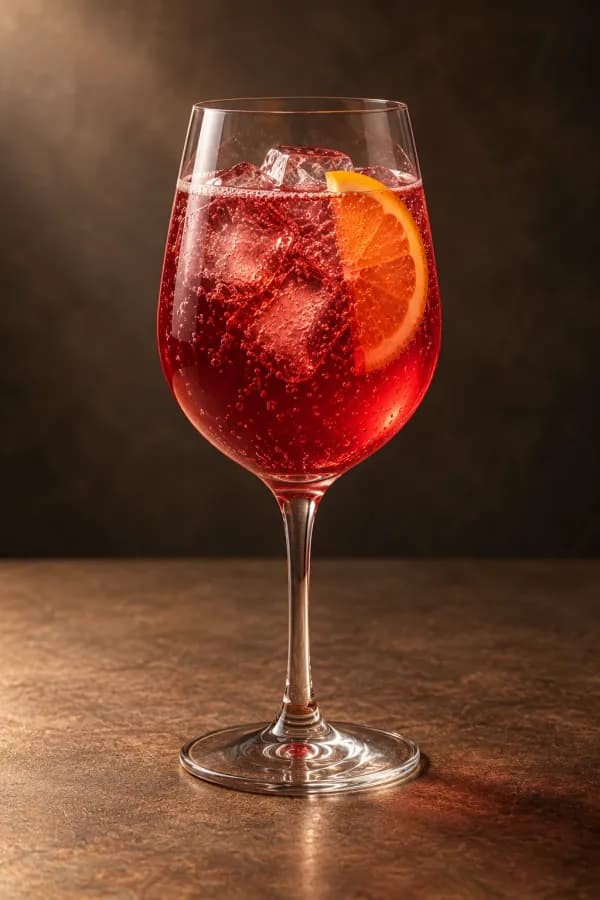

“A Martini, dry, with a twist” contains three separate instructions: a named drink, a preference about its recipe and a garnish. “Up” would add a serving instruction. Learning what each word controls makes a menu or recipe much easier to read.
Bar language varies between places and writers. If a word leaves the recipe, amount or service unclear, ask a plain question rather than guessing. This glossary covers the terms most likely to affect what ends up in your glass.
How the drink is served
| Term | Usual meaning | What to check |
|---|---|---|
| Neat | A spirit served by itself without ice or a mixer | The pour size is not fixed by the word |
| On the rocks | Served over ice | The recipe may still have been mixed or chilled first |
| Up | Chilled during preparation, then served without ice in the glass | Often served in a stemmed glass; follow the named recipe |
| Straight up | Used inconsistently for up or neat | Ask whether it will be chilled and whether ice remains |
| Long | A larger serve, often with an added mixer | More liquid does not establish the amount of alcohol |
| Short | A smaller-volume drink | It does not tell you a fixed strength or portion |
The MICHELIN Guide's explanation of neat, up and straight up makes the same practical distinction about ambiguous ordering language. You can simply say, “Chilled and strained, with no ice in the serving glass.”
Ice used to prepare the drink and ice served with it are separate choices. The cocktail ice guide explains both.
Words that change a Martini or Manhattan
Dry. The meaning depends on context. Dry vermouth names a style of ingredient. A request for a drier Martini commonly means less vermouth, but it does not specify an exact ratio. State the proportions if you have a firm preference.
Wet. In Martini language, this commonly requests more vermouth. Again, agree the recipe rather than assuming one standard wet measure.
Perfect. In drinks such as a Perfect Manhattan, this refers to using both sweet and dry vermouth, commonly in equal parts. It is a recipe description rather than a quality rating. Read the complete version you are making.
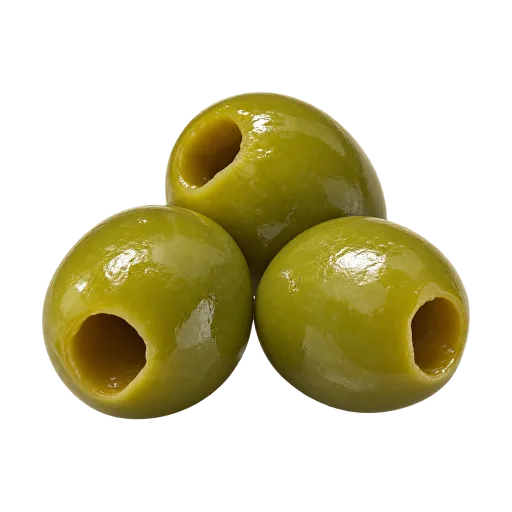
Dirty. Usually asks for olive brine in a Martini-style drink. It does not specify the brine's salt level or how much to add.
With a twist. A piece of citrus peel, often expressed over the drink for its oils. It is different from adding juice or a wedge.
With an olive. A garnish choice. It does not automatically mean the drink also contains a measured pour of olive brine.
See the Martini guide for the drink's variations and sweet versus dry vermouth for the ingredients themselves.
How ingredients are mixed
| Term | What the instruction asks you to do |
|---|---|
| Build | Add ingredients directly to the serving glass in the stated order |
| Stir | Mix with a spoon, usually with ice when chilling a cocktail |
| Shake | Agitate ingredients in a closed shaker, with ice unless the recipe specifies otherwise |
| Dry shake | Shake the stated ingredients without ice, commonly as part of a foam method |
| Reverse dry shake | Use the recipe's ice shake before its no-ice stage |
| Muddle | Press a specified ingredient to release juice or aroma |
| Blend | Use the stated blender method; ice and liquid amounts still matter |
| Roll | Transfer a drink between vessels using the recipe's controlled pouring method |
A dry shake is unrelated to a dry Martini. The same word is describing a preparation step in one case and a recipe preference in the other.
For actual steps, use stirring versus shaking and muddling. Carbonated liquids do not go in a sealed shaker, and a hot drink needs an appropriate preparation method and vessel.
Small instructions that make a big difference
Strain. Separate the liquid from preparation ice or other solids using the recipe's strainer.
Double strain. Pour through the main strainer and a fine strainer. It catches smaller particles; it does not turn a cloudy drink into a clarified one. See the double-straining guide.
Rinse. Coat the inside of a glass with a small amount of an ingredient and discard the excess if instructed. Do not quietly count a rinse as a full pour.
Float. Carefully add a liquid so it rests as a layer above another. Ingredient density and the pour matter. The layering guide gives practical examples.
Express. Squeeze citrus peel to release aromatic oils. This does not mean squeeze the whole fruit for juice.
Top or top up. Add the named liquid to finish the drink, to the amount or level the recipe intends. It is an open quantity unless a measure is supplied. A different glass can change how much fits.
Lengthen. Add a liquid to increase the drink's volume and change its concentration. The added ingredient may affect flavour, sweetness or carbonation too.
Rim. Coat part or all of the glass's rim with the specified ingredient, such as salt. A half rim gives a guest a choice about contact with the coating.
Measurements and recipe notation
Parts means a ratio using one consistent measure. Four parts tea and one part juice could mean 80 ml and 20 ml, or another proportional amount. Check serving count and glass capacity before scaling.
Dash is a small dispense, often from a bitters bottle. It is not one universal millilitre measure. The bottle and dispensing top affect what comes out.
Bar spoon can mean the tool or a spoonful specified by the recipe. Do not automatically replace it with a guessed jigger amount.
Ounce in a US drink recipe usually means US fluid ounce, a volume. It is not a weight ounce, and a rounded 30 ml bar measure is not an exact unit conversion. Our measurement guide gives the useful conversions and their limits.
1:1 syrup needs a convention: one part sugar to one part water by weight differs from the same ratio by volume. The syrup guide explains the distinction.
Yield is the amount or number of servings a complete preparation makes. A bottle of prepared base may still require a mixer or garnish at service. Read the finishing instructions before deciding it is ready to pour.
Read one full instruction
Take “build over ice, top with soda and stir gently.” The serving glass receives the ingredients; ice remains in the drink; soda finishes it; and the final mixing is gentle. That instruction does not authorise shaking the completed carbonated drink.
Before making any recipe, identify its serving count, measurement units, preparation ice, serving ice and finish. If one is unclear, resolve it before you start pouring.
FAQs
Are neat and up the same thing?
Usually not. Neat means a spirit by itself without ice or a mixer; up usually means a drink chilled during preparation and served without ice. Straight up can be ambiguous, so clarify the service.
Does dry always mean less sweet?
No. Dry vermouth, a dry Martini preference and a dry shake refer to different things. Read the ingredient or method context.
How many millilitres are in a dash?
There is no single fixed amount for every bottle and top. Follow a recipe's dispensing instructions instead of silently converting every dash to one assumed volume.
Does a long cocktail contain less alcohol?
Not necessarily. More mixer lowers concentration, but the alcohol amount depends on the complete recipe and serving size.