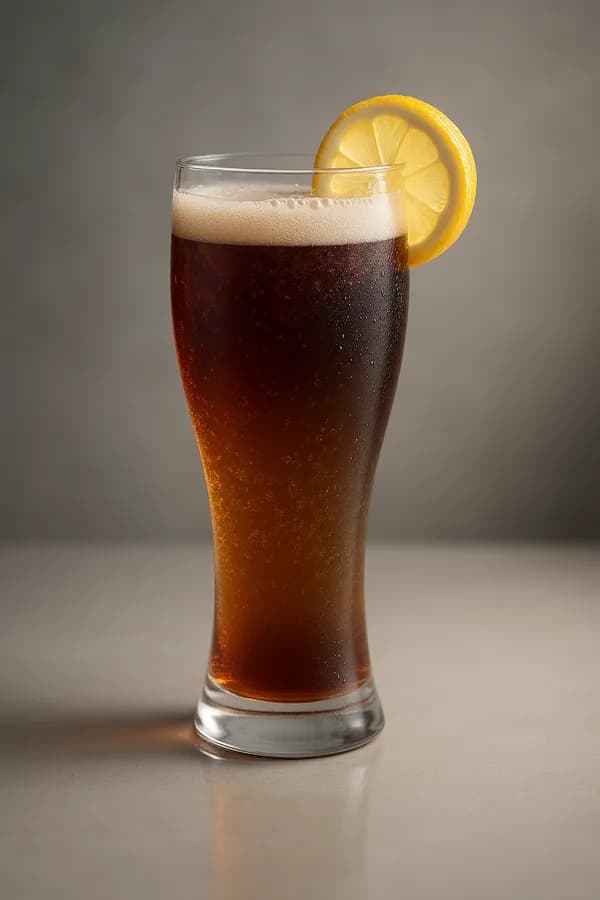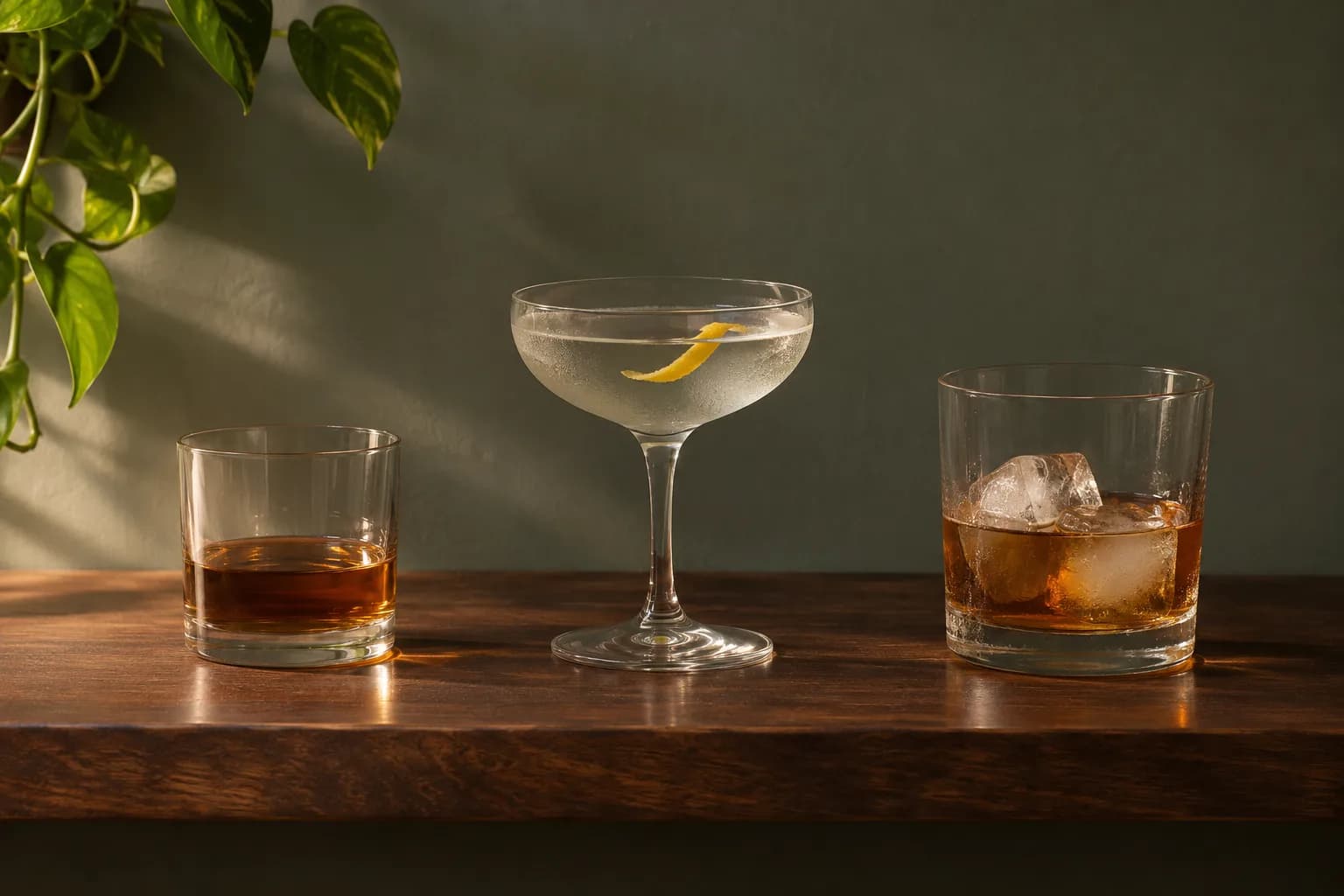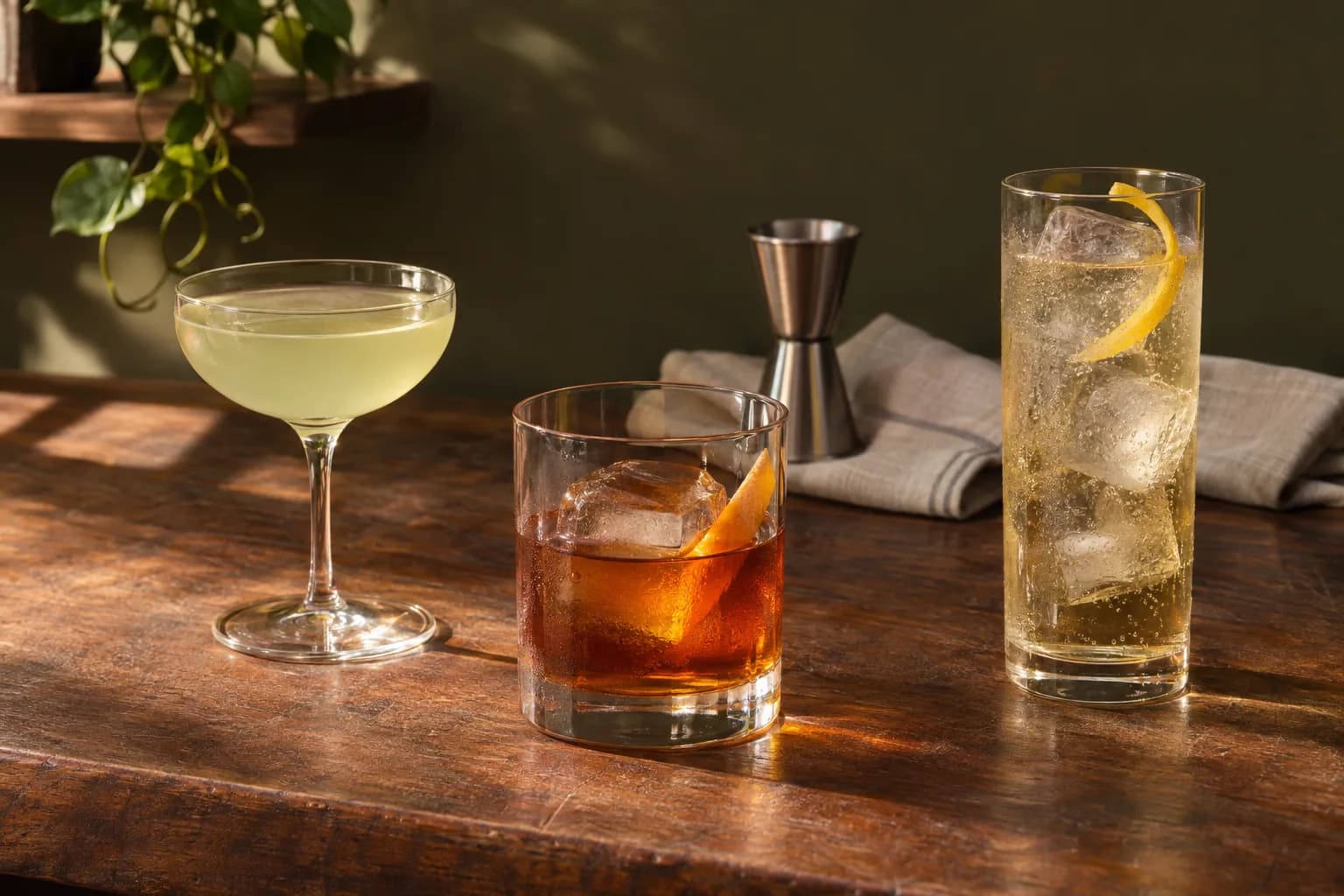
A Daiquiri, Margarita and Tom Collins all combine a base spirit, something sour and something sweet. The differences are useful: the Margarita gets sweetness and alcohol from orange liqueur, while the Collins adds soda and is served long. Recognising those jobs makes a recipe easier to understand before you pick up a shaker.
A cocktail family groups drinks by a shared structure. It can help you choose a drink, learn a method or plan a variation. It does not give you a universal ratio, and a family name never replaces the actual recipe.
A working map of cocktail families
Start with these broad structures. The examples are signposts to complete recipes, rather than interchangeable ingredient lists.
| Structure | What to look for | Examples | What it teaches |
|---|---|---|---|
| Sour | Base spirit, citrus and a sweetening ingredient | Daiquiri, Whiskey Sour | Sweetness and acidity together |
| Liqueur-sweetened sour | Spirit, citrus and a liqueur doing some or all of the sweetening | Margarita, Sidecar | One ingredient can bring sweetness, flavour and alcohol |
| Spirit-forward | A base spirit with small modifiers, or a combination of alcoholic ingredients without a large juice or mixer component | Old Fashioned, Martini, Manhattan, Negroni | Bottle choice, temperature and dilution |
| Highball | A base with a larger non-alcoholic mixer component, commonly carbonated | Whisky Highball, Gin and Tonic | Keeping the mixer cold and preserving its character |
| Long sour | A sour structure lengthened with a mixer | Tom Collins | How a short drink changes when it becomes a longer serve |
This is a practical map, not an official classification of every cocktail. The WSET Level 2 spirits course uses spirit-forward, short sour, highball and long sour as four teaching families. Cocktail Codex organises its approach around six root drinks. Different maps can be useful without agreeing on every boundary.
You will also see a Margarita or Sidecar discussed as a daisy. Simon Difford describes the Margarita within that family, noting that daisies can use syrup or liqueur. For learning, notice what the liqueur is doing before worrying about which branch a writer puts it on.
Read the ingredients by their jobs
Take the IBA Daiquiri: white Cuban rum, fresh lime juice and superfine sugar. Rum is the base, lime supplies acidity, and sugar sweetens. The IBA method dissolves the sugar before adding ice and shaking.
The IBA Margarita uses tequila, triple sec and fresh lime. Triple sec supplies sweetness, orange flavour and additional alcohol. Replacing it with simple syrup would change more than one part of the drink.
Read a new recipe in four passes:
- Find its base or main combination of ingredients.
- Mark anything that contributes sweetness or acidity. Some ingredients do both.
- Look for bitterness, aroma and texture: bitters, herbs, cream or an egg ingredient, for example.
- Read how water enters, through a measured mixer, added water or melting ice.
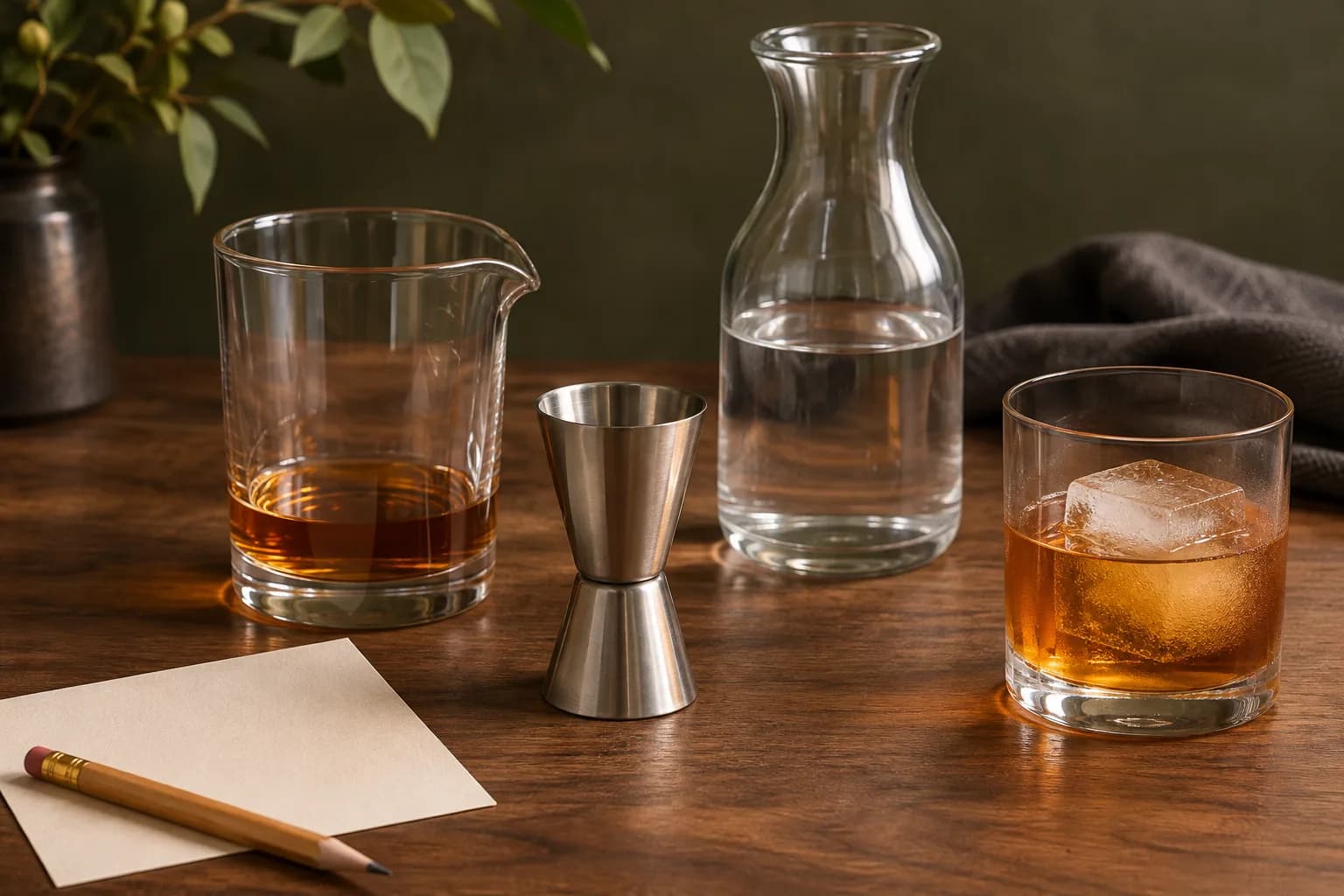
You can do this exercise on paper without making or drinking the cocktails. If the quantities themselves are unfamiliar, use the jigger and measurements guide.
Similar structure does not mean the same proportions
The IBA recipes make a useful comparison:
| Recipe | Base | Sour ingredient | Sweetening ingredient |
|---|---|---|---|
| Daiquiri | 60 ml white Cuban rum | 20 ml lime juice | 2 bar spoons superfine sugar |
| Margarita | 50 ml 100% agave tequila | 15 ml lime juice | 20 ml triple sec |
Neither row tells you how much syrup to use in the other. Sugar and liqueur differ in concentration, water and alcohol. A ratio also means little until its ingredient specifications are clear. Our balance guide explains how to adjust a measured recipe one change at a time.
Use the complete Daiquiri or Margarita card when making the drink. Keep its ingredients and method together rather than combining the measures from one version with another version's instructions.
Spirit-forward has several branches
An Old Fashioned combines a spirit with sweetening and bitters. A Martini or Manhattan uses vermouth alongside its base. A Negroni combines gin, a bitter aperitif and sweet vermouth. These drinks share an emphasis on their alcoholic ingredients, but they are not one recipe with different bottle labels.
The IBA Negroni uses 30 ml each of gin, Campari and sweet red vermouth. It is built and gently stirred in the serving glass over ice. That is a reminder to read the method even after recognising the family: spirit-forward does not always mean a separate mixing glass.
For more examples within one spirit, the whiskey cocktail guide connects Old Fashioneds, sours and highballs without treating them as equivalent drinks.
Highballs, Collins drinks and fizzes
A simple highball can be spirit plus a carbonated mixer. A Collins has citrus and sweetness as well. In the IBA John Collins, gin, lemon juice, syrup and soda go into a highball glass with ice. The same source specifies Old Tom gin for a Tom Collins.
A Gin Fizz combines a sour structure with carbonation, so the ingredient list alone may not distinguish it from a Collins. Read the preparation and service. Some recipes are shaken before soda is added; others are built in the glass. Egg is an addition in certain versions, not a requirement for every fizz.
The carbonated part stays out of a sealed shaker. Follow the recipe's order and add the sparkling ingredient at service where instructed. Stirring versus shaking covers those method decisions.
Other names worth recognising
Julep. Think about the interaction of spirit, sweetening, mint and plentiful broken ice. The IBA Mint Julep uses bourbon, mint, sugar and water. It is a useful contrast with a citrus-led Mojito.
Cobbler. The IBA Sherry Cobbler brings sherry, sugar and citrus together and is served over crushed ice. It shows that a family lesson does not have to start with a distilled base spirit.
Flip. Egg is part of the structure and texture, rather than just a garnish. Read the named recipe carefully: the IBA Porto Flip uses egg yolk with brandy and tawny port. An egg-white sour and a flip are not automatically the same thing. Use a recipe's food-safety guidance for uncooked egg preparations.
Smash. Expect fresh ingredients worked into the drink, often herbs and fruit, but do not assume one fixed formula. Check whether a recipe muddles, shakes or strains them. The muddling guide explains why mint and firm fruit need different treatment.
Punch. A recipe called punch may be a single serve or a shared preparation. The name does not tell you its yield. Planters Punch is one named example; a larger party preparation needs its own complete formula and serving plan. Use the batching guide for scaling and preparation.
Use the family to choose your next lesson
Choose two recipes that share a structure and identify one meaningful difference. A Daiquiri and Margarita let you compare sugar with a sweet liqueur. An Old Fashioned and Manhattan show different modifiers around a whiskey base. A Gin and Tonic and Tom Collins show how much changes when fresh citrus and syrup enter a long drink.
Make each as written before attempting a variation. Record the exact recipe, products, ice and method in a cocktail notebook. Your useful next question is specific: what did the vermouth contribute, or how did the longer serve change the impression of acidity?
For alcohol-free drinks, the same habit of identifying ingredient roles is useful. Removing the spirit, however, changes flavour, body and volume at once. Work from a complete alcohol-free recipe rather than assuming the alcoholic version's proportions still fit.
FAQs
How many cocktail families are there?
There is no single agreed total. Teaching systems group drinks differently. Use a map that helps you understand ingredients and methods, and name the framework when discussing its categories.
Is a Margarita a sour or a daisy?
It can be discussed within the broad sour structure and as a liqueur-sweetened daisy. The practical distinction is that triple sec brings sweetness, orange flavour and alcohol, unlike plain sugar syrup.
Can I use one ratio for every sour?
No. Sweetener concentration, citrus, liqueur strength and the intended style differ. Start with a complete measured recipe, then make small recorded changes if you want a variation.
Does the family tell me whether to shake or stir?
It gives clues, but the complete recipe decides. The IBA Negroni is built and stirred in its serving glass; other spirit-forward drinks use a mixing glass. Carbonated ingredients do not go in a sealed shaker.