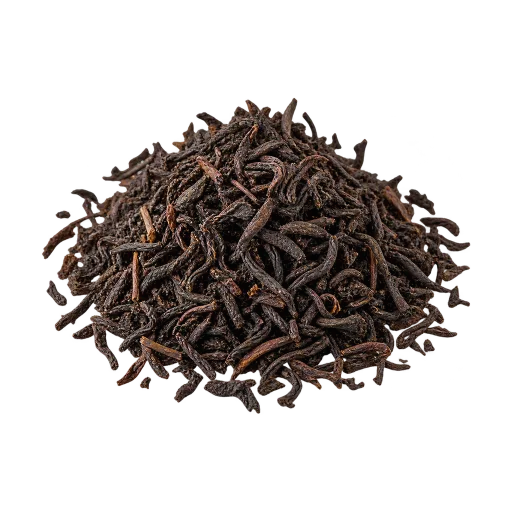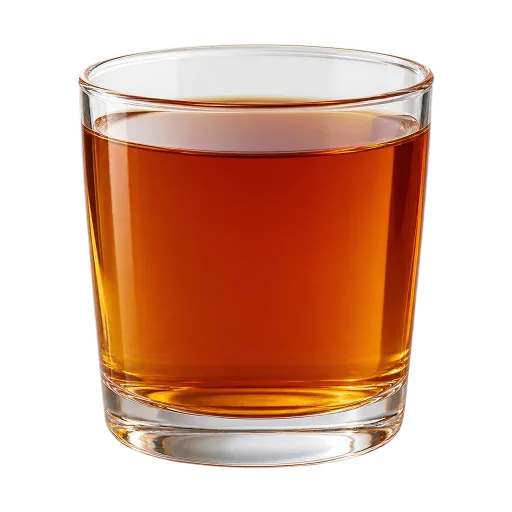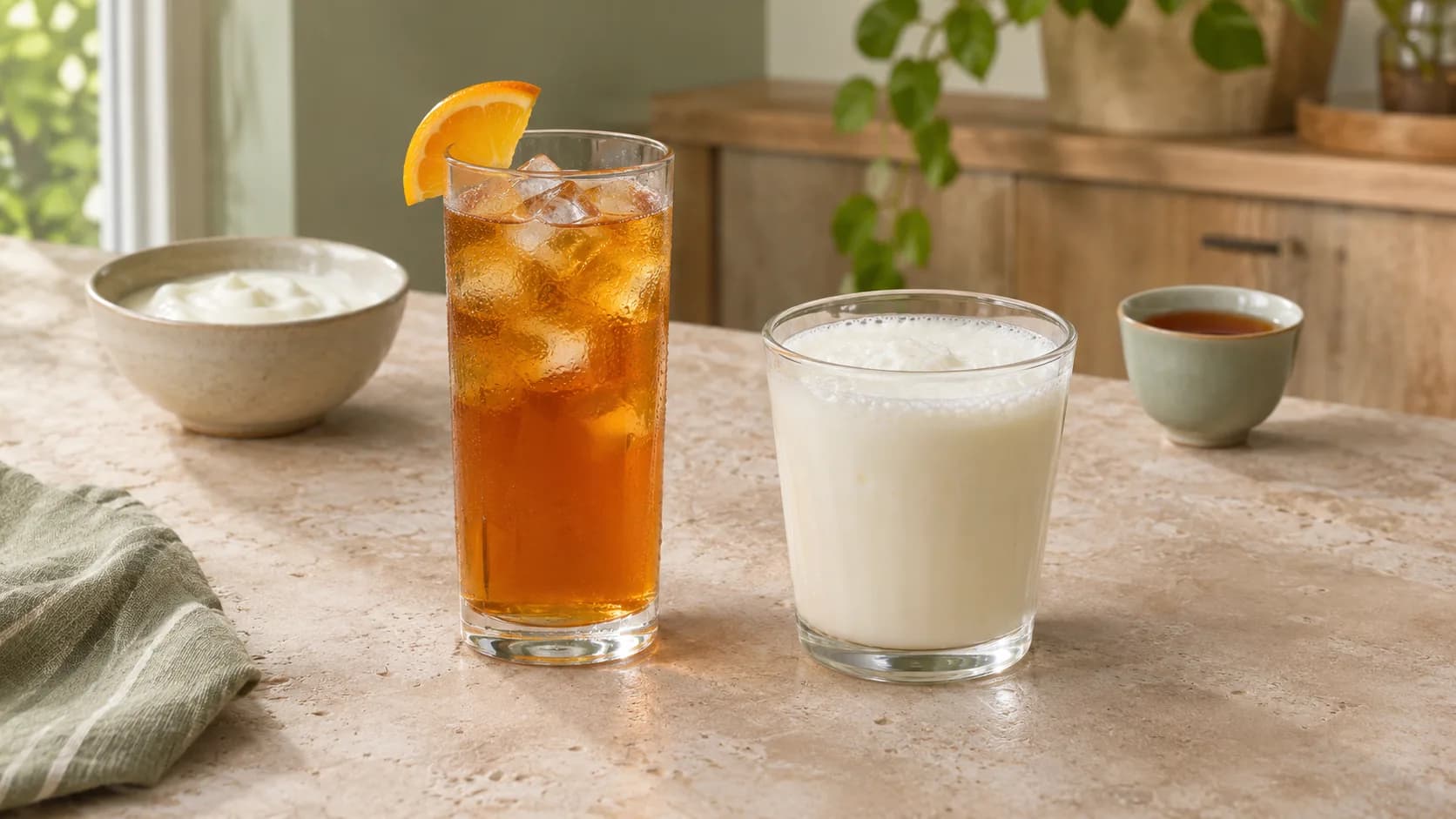
Tea, orange juice and syrup can make a complete drink. So can yogurt and water. Neither needs an imitation spirit, and they solve different problems: the first gives you a light, aromatic drink; the second starts with a creamy, tangy base.
When designing an alcohol-free drink, decide what each ingredient contributes before adding another bottle. Build from a measured recipe, make one change and write it down. Removing the spirit from a cocktail leaves more than a gap in its volume: you may also lose aroma, bitterness and part of its texture.
Give the drink a job
Write a short description before choosing ingredients: “still, citrus-led and light” or “creamy, savoury and cold.” That is more useful than trying to make something broadly sophisticated.
Then assign the jobs below. One ingredient can do several, and a drink does not need every row.
| Job | Possible ingredients | Question to ask |
|---|---|---|
| Main flavour | Tea, fruit, tomato, herbs, a named alcohol alternative | What should someone notice first? |
| Sweetness | Syrup, juice, a sweetened mixer | How much sweetness is already present? |
| Acidity | Citrus juice, yogurt, a prepared cordial | Is another sour ingredient needed? |
| Bitterness or drying texture | A suitable bitter mixer or brewed tea | Does it fit the drink and the guest's preference? |
| Body | Yogurt, fruit pulp, a fuller juice | Should the result be light, thick or creamy? |
| Aroma | Tea, spice, expressed peel, a herb garnish | Does it support the main flavour? |
| Water and bubbles | Drinking water, soda, measured ice dilution | Is the drink still or sparkling, and how much volume is needed? |
These are design questions, not a required formula. A creamy yogurt drink does not need citrus peel and bitters to become worthwhile. Our less-sweet mocktail guide offers savoury and creamy choices alongside fruit-based drinks.
Worked build: orange and Earl Grey
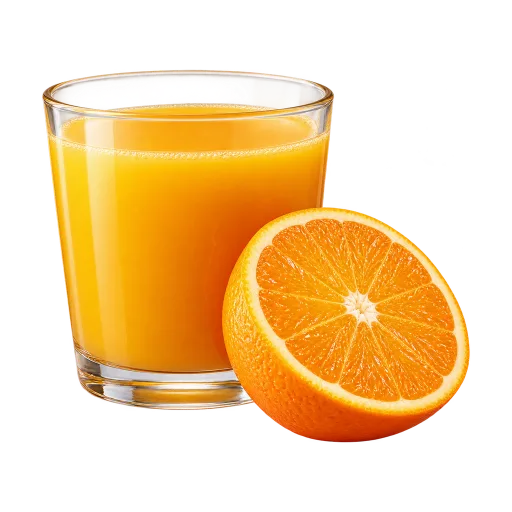
The Orange and Earl Grey Iced Tea card uses four parts iced tea, one and a half parts orange juice and half a part simple syrup. With one part set to 30 ml, that gives one modest serving:
- 120 ml brewed, cooled Earl Grey tea
- 45 ml orange juice
- 15 ml simple syrup, using the same product or preparation each time
- Ice to fill the serving glass
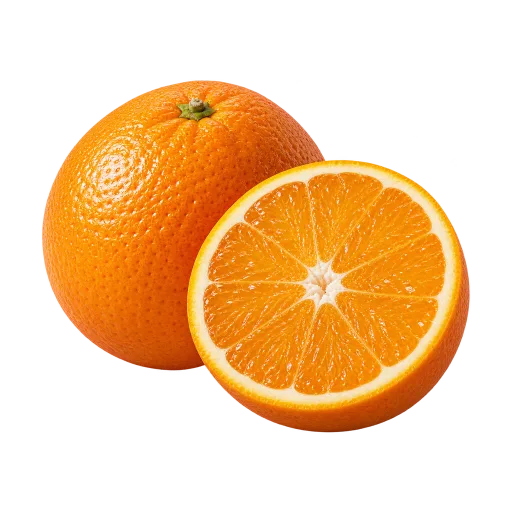
- One washed orange slice for garnish
Use a measure, barspoon and highball glass large enough for 180 ml liquid plus ice. Brew the tea according to its packet, then cool it before mixing; the packet matters because leaf size and product vary. Keep it covered and refrigerated until needed.
Fill the glass with ice, add the measured tea, juice and syrup, and stir. Add the orange slice and serve. The tea-brewing instruction here is a preparation requirement, not a claim that every tea uses one temperature and steeping time.
Now identify the roles. Tea supplies the main aroma and a different structure from a glass of juice. Orange supplies fruit flavour, sugar and acidity. Syrup adds sweetness and water. Ice chills the drink and adds further water as it melts. This version is still; soda is not a missing ingredient.
If you find it too sweet, record a small reduction in the same syrup for the next serving. If it seems too drying, review the tea's brewing instructions before increasing the sugar. Adding more syrup can make a drink sweeter while leaving its drying sensation noticeable.
Our tea mocktail guide keeps the other tea recipes together. This example converts the existing card's parts into millilitres; it is not a claim of new Elixiary tasting results.
Worked build: a cold yogurt drink
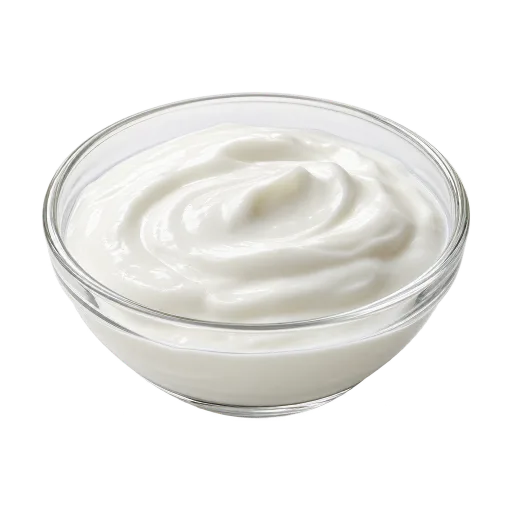
The Ayran card takes a different route. For one large serving, it uses:
- 1 cup plain whole-milk yogurt
- 1/2 cup cold drinking water, adding gradually
- Up to 1/2 teaspoon salt, optional and according to preference
Use the same measuring cup for both liquids, a deep bowl, whisk and chilled glass. Whisk the yogurt until smooth. Gradually whisk in the water, stopping if you reach the texture you want before using it all. If using salt, add a little and taste before adding more; you do not have to use the full optional amount. Pour into the glass and serve promptly.
This is the existing card's flexible texture instruction, not a fixed final yield or a precision salt specification. Note the water and salt you actually used if you want to repeat it. The Turkish Ministry of Culture's account of ayran places the yogurt-and-water drink in its own food tradition. It does not need to be described as a replacement for a Western cocktail.
Here yogurt already provides body and tang. Water adjusts thickness. Salt is optional seasoning. A thin result calls for reviewing the yogurt and water amounts, rather than adding syrup by default. Plain yogurt matters: a sweetened or flavoured product changes the starting drink.
This example contains milk. It illustrates texture, not suitability for someone with a milk allergy. Do not add lemon simply because the first example had citrus.
Change the cause you can identify
| What you notice | Check before changing it | One possible next attempt |
|---|---|---|
| Sweeter than you want | Sweetened juice, mixer and syrup together | Reduce one measured sweetening ingredient |
| Too sharp | Citrus amount and any acid already in the base | Reduce the measured citrus in the next build |
| Thin or watery | Starting base, serving volume and melted ice | Follow the original chilling method and record the water |
| Too thick | Purée or yogurt quantity | Add drinking water gradually and record the amount |
| Little aroma | Ingredient freshness, tea preparation and garnish | Use the recipe's intended aromatic ingredient |
| Too bitter or drying | Mixer choice and brewing method | Review that ingredient before adding more sweetener |
These are possible responses to a personal observation, not guaranteed corrections. Keep the original specification so you can go back. A bitter ingredient may be doing exactly what the recipe intended, while the drink simply does not suit you.
Sugar content and perceived sweetness are separate. Adding lemon can make sweetness less noticeable without removing sugar. Likewise, a bitter mixer may contain sugar. Check the actual product if nutritional content matters.
Keep the service simple
Ask what the guest wants to drink without asking them to explain why they are avoiding alcohol. Check every ingredient and keep alcoholic additions out of the preparation area. A familiar recipe name cannot establish a product's alcohol content.
No alcohol also does not establish no caffeine, no milk or no other allergen. Read tea blends, syrups, alternatives and garnish products individually. The alcohol-free home-bar guide helps you shop for a small set of actual recipes.
Keep perishable bases chilled, prepare small amounts and serve the finished drinks promptly. Use the storage guide for handling decisions. A recipe's flavour balance does not establish a storage life.
FAQs
Do I need an alcohol-free spirit to make a good mocktail?
No. Tea, fruit, yogurt, herbs and ordinary mixers can provide different drink structures. Buy a substitute only when it serves a recipe you want to make.
Can I replace gin with the same volume of tea?
That creates a variation, not an equivalent drink. The tea changes alcohol, flavour and texture. Start from a complete tea-based recipe if you want a clearer reference.
Does a balanced drink have to contain bitterness?
No. Balance is a judgement about the ingredients and intended style. A creamy or fruit-led drink does not need every flavour role in the table.
How do I make my variation repeatable?
Save the ingredient products, amounts, preparation, ice and serving size. Write your observation separately from the one change you plan for next time.