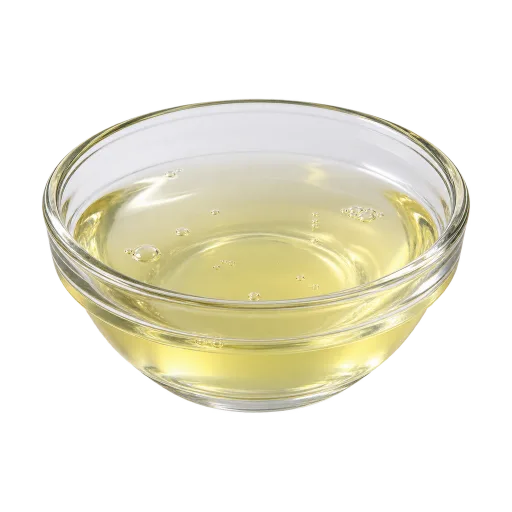
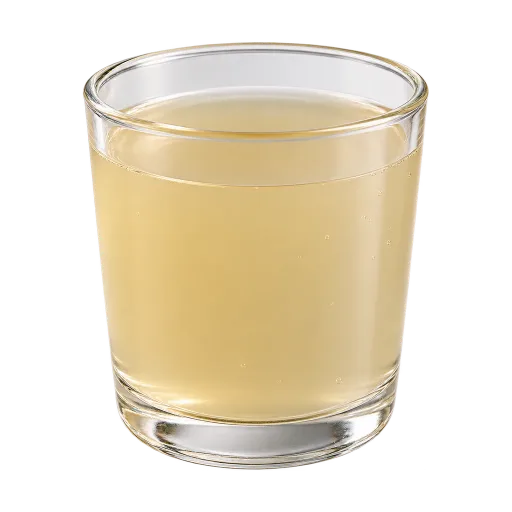
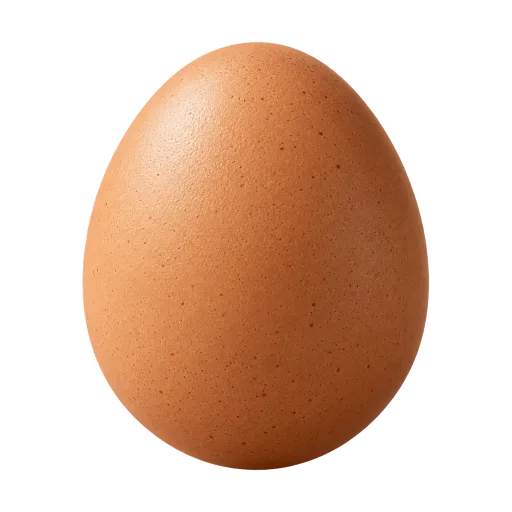
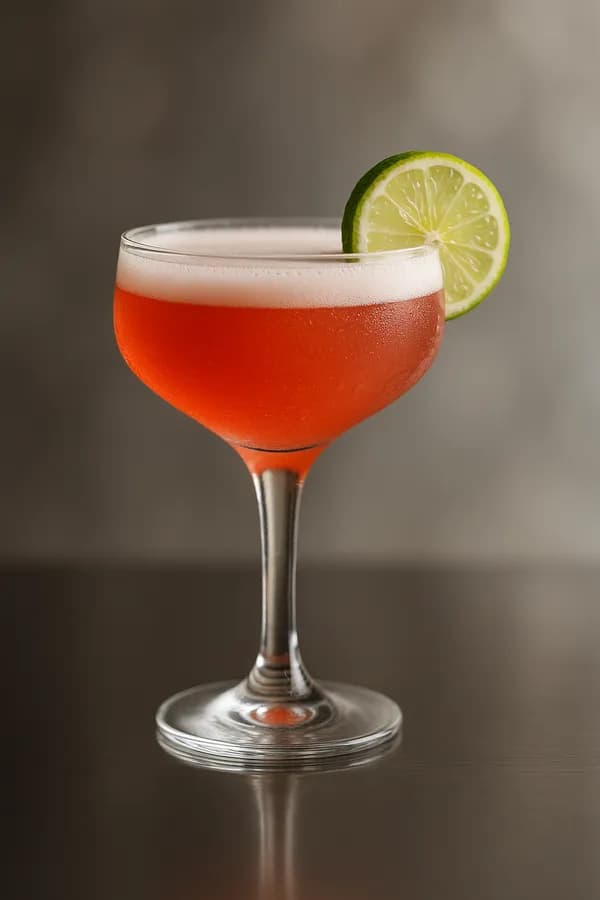
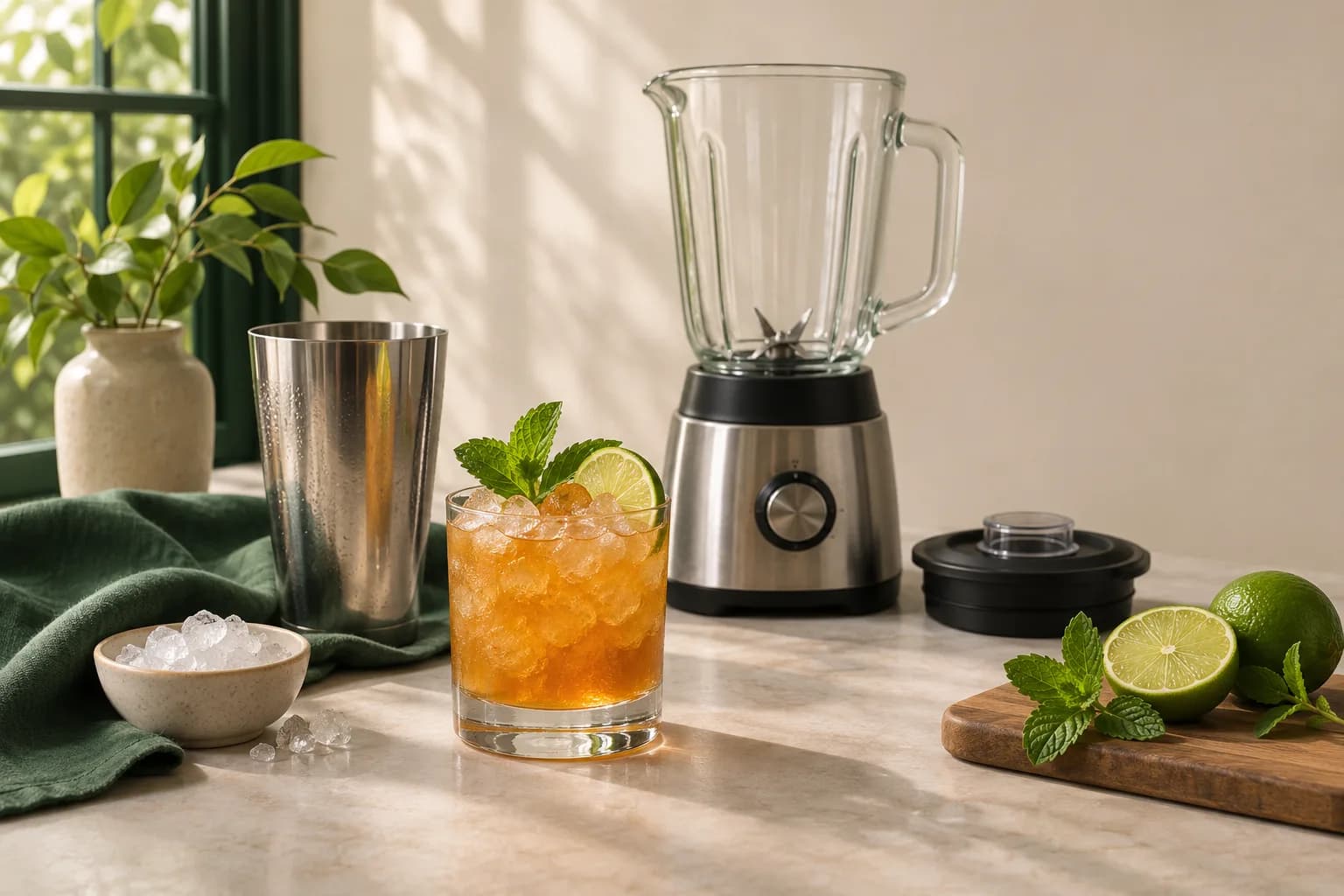
A foam cap on a sour comes from the drink's ingredients and preparation together. Egg white is one option; aquafaba and commercial cocktail foamers are others. Start with a complete recipe for the ingredient you are using, then keep its amount and shake sequence consistent. A larger pour of foamer is not an automatic fix for a flat drink.
Choose the foaming ingredient first
| Ingredient | What you need to know | Where to start |
|---|---|---|
| Egg white | Adds an egg ingredient and needs appropriate handling | A recipe with a measured amount of pasteurised white |
| Whole egg or yolk | Changes the drink beyond an egg-white foam cap | A recipe written for that ingredient, such as a flip |
| Aquafaba | The liquid from cooked chickpeas; concentration and seasoning can vary | A complete aquafaba recipe and the product's ingredient label |
| Commercial cocktail foamer | Products have different formulations and directions | The manufacturer's stated dose, method and allergen information |
Aquafaba is useful when avoiding egg, but that does not make every resulting cocktail suitable for every dietary requirement. Check the spirit, syrup, modifiers and shared equipment as well. Likewise, a powder or bottled foamer should not be called vegan or allergen-free solely because it replaces egg white.
For uncooked egg drinks, FDA guidance recommends pasteurised eggs or egg products. Keep products as their labels direct and clean hands, tools and surfaces properly. Neither citrus juice nor the presence of a spirit is a food-safety procedure.
Dry shake and reverse dry shake
A dry shake is the no-ice stage of a recipe. A common sequence combines the ingredients without ice, then adds ice for the chilling shake. Jeffrey Morgenthaler's Amaretto Sour uses that sequence, with an immersion-blender option before the ice shake.
A reverse dry shake puts the ice stage first, removes the ice, and then uses the no-ice stage. It is an alternative sequence, not proof that the first method is wrong. Follow a recipe written for the sequence you choose rather than splicing together different amounts and methods.
Hold both shaker pieces securely. A shaker without ice may seal differently from one that has been chilled; use the maker's closing and opening instructions. Hot or carbonated mixtures do not belong in a sealed shaker.
Our shaking and stirring guide covers the ordinary mixing steps. Here the additional question is which preparation produces the texture intended by this particular recipe.
A complete aquafaba sour to follow
Liber & Co.'s April Sours Bring May Flowers gives a measured example using its grapefruit cordial. The formula below selects the aquafaba option in the producer's recipe; it is one drink, not a universal foamer ratio.
- 3/4 US fl oz Liber & Co. Rio Red Grapefruit Cordial
- 1 1/2 US fl oz gin
- 1/2 US fl oz Aperol
- 1/2 US fl oz lemon juice
- 3/4 US fl oz aquafaba
- Ice for the chilling shake
You need a jigger, a shaker, a strainer and a chilled coupe.
- Measure the five liquid ingredients into the shaker.
- Close it and dry shake for about five seconds, following the producer's method.
- Add ice, close securely and shake for about ten seconds.
- Strain into the chilled coupe and serve. The source specifies no garnish.
Those timings and that foamer amount belong to this recipe. Keep the named cordial if you want to follow it as written: grapefruit juice, syrup and another brand's cordial may differ in sweetness and acidity. Read the aquafaba label for added salt and other ingredients, and refrigerate any opened remainder as directed. Make the cocktail at service rather than holding a shaken batch for guests.
We have not run a side-by-side test of aquafaba brands or measured this foam's lifetime. Use your own observation to judge the result of the complete recipe you followed.
An egg-white reference
Morgenthaler's Amaretto Sour measures 15 ml egg white alongside amaretto, cask-proof bourbon, lemon and rich syrup. Our amaretto guide and recipe card keep the complete version together. Use pasteurised white for this uncooked preparation.
That is a different formula from the aquafaba sour above. Comparing their foamer volumes alone tells you little about which ingredient performs better: the other ingredients and methods differ too. A fair practical comparison starts with a recipe intended to offer both options, while recording the exact products and conditions.
When the foam disappoints
Almost no foam. Check that you measured the specified ingredient rather than assuming a whole egg, a spoonful or a commercial dropper equals the recipe's amount. Check the product's directions and whether the recipe called for a no-ice stage.
Foam at first, then a disappointing result. Record how long the drink stood and whether it was served over ice. Start again from the written method before adding more foamer. A photograph of someone else's drink does not establish how long its foam lasted.
A different texture after straining. Keep the straining method consistent. A fine strainer changes which ice chips and other particles reach the glass; it is one more preparation choice to record. See double straining.
An unwanted aroma or taste. Check the foamer itself, including seasoning and product formulation. More citrus or garnish may change the impression, but it will not turn an unsuitable or mishandled ingredient into a suitable one.
A very thick cap. More foam is not necessarily the target. Check whether you overmeasured the foamer or departed from the recipe's method. Write down the change instead of judging only the height of the cap.
Work on one variable at a time: product, amount, sequence or service delay. A short note is enough. There is no need to buy a siphon to learn an ordinary shaken sour; pressurised foams are a separate equipment-specific technique covered in the molecular mixology overview.
FAQs
Can I replace egg white with the same amount of aquafaba?
Some published recipes offer that choice, but it is not a rule for every ingredient or cocktail. Follow a complete recipe that specifies the option, and record the exact product you used.
Is a dry shake always done first?
No. A conventional dry-then-ice sequence and a reverse sequence both exist. Use the complete recipe's stated order rather than assuming the term dry shake determines the whole method.
Does alcohol make an egg-white cocktail safe?
No. Use appropriate egg products, hygiene and handling. FDA recommends pasteurised eggs or egg products for egg-containing beverages that are not thoroughly cooked.
Do I need a commercial foamer?
No. It is one option among several. Choose a recipe and ingredient that fit your needs before buying equipment or additives.