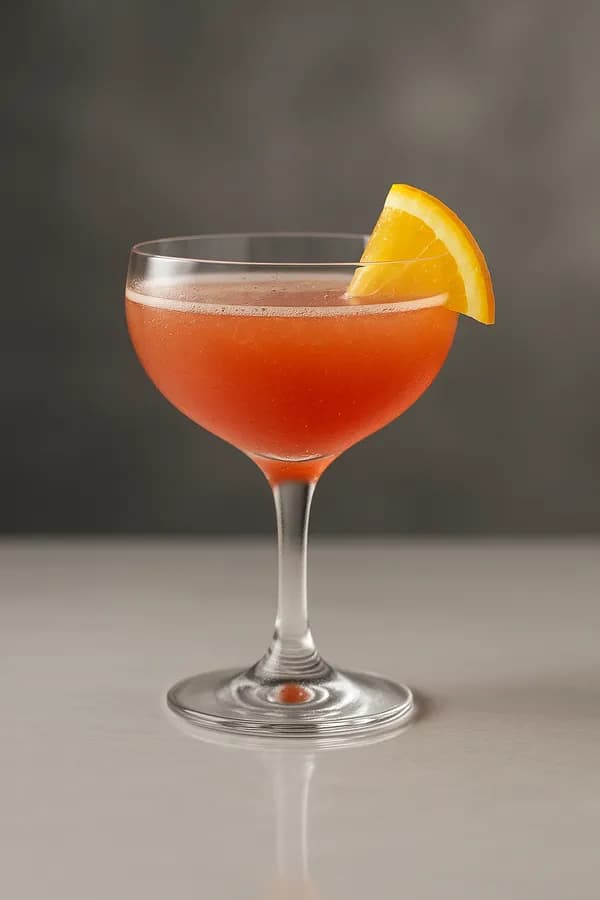
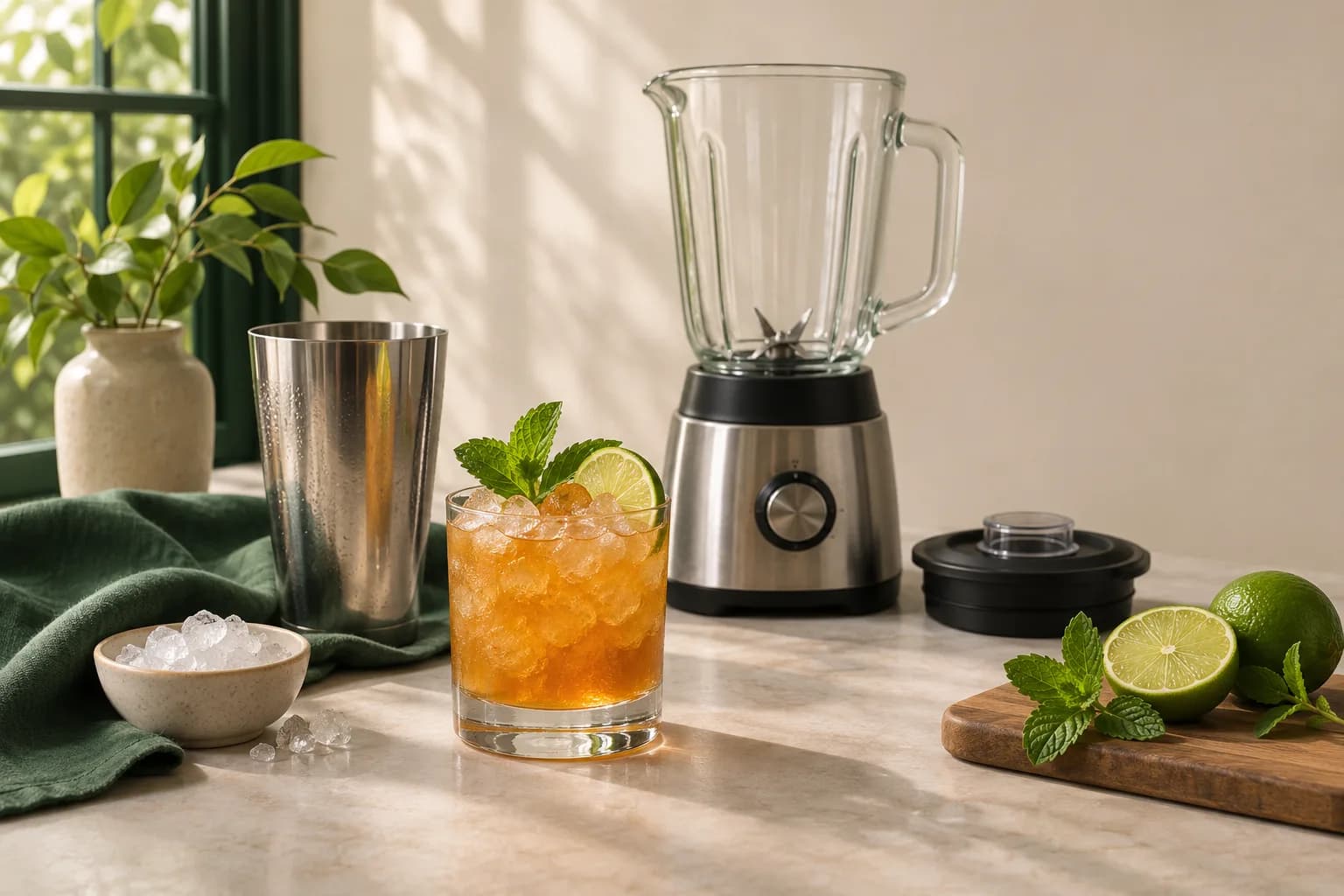
A tomato drink gently mixed in a shaker, a Manhattan poured between two tins and a rum drink whisked through crushed ice use different motions. Knowing their names helps, but the recipe still needs to explain the action. “Roll” is particularly ambiguous between writers.
These methods are alternatives for particular preparations, not an upgrade that makes every drink better. If your recipe says stir, ordinary stirring is sufficient. Learn the measured recipe before changing how it is mixed.
Compare the motions
| Method | Where mixing happens | What to watch |
|---|---|---|
| Closed-shaker rolling | Inside a securely closed shaker, moved gently between the hands | A sound closure and controlled movement |
| Pouring or throwing | Between two vessels, with preparation ice retained where instructed | The receiving vessel, stream and strainer |
| Swizzling | In the serving vessel through crushed ice | The rotating tool, ice level and glass stability |
Difford's rolling explanation uses the first meaning: tumbling a closed shaker gently rather than shaking it vigorously. The Oxford Companion's tossing entry also records rolling as a name for pouring between vessels. Neither name alone is a complete instruction.
Roll a tomato-based drink
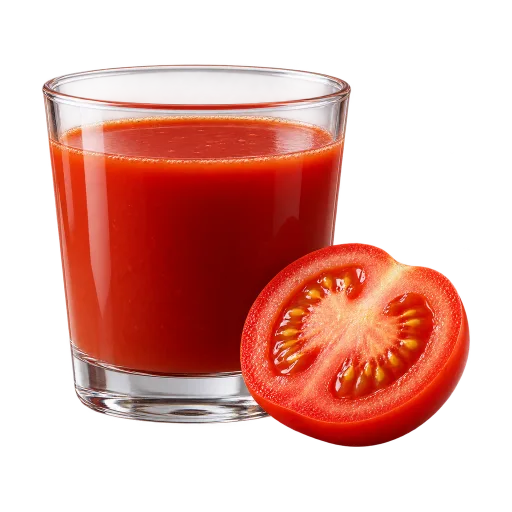
Read the complete Virgin Mary recipe, including its seasonings and garnish. Use its measures, ice and straining instructions. Tomato juice and the sauces should be measured before mixing; adding more seasoning by guesswork is a separate recipe change.
For a recipe specifying gentle closed-shaker rolling, close the suitable shaker securely and hold both pieces. Move it in a controlled tumbling motion between the hands rather than using a hard back-and-forth shake. Open it according to the equipment instructions and complete the recipe's straining and service.
Do not reinterpret a recipe's pour-between-vessels instruction as this closed motion without noting the variation. Neither method makes sauce allergens disappear. The Bloody Mary and Michelada comparison keeps those different drink structures distinct; a carbonated Michelada is not a closed-shaker exercise.
Understand throwing before attempting a long pour
Difford's throwing demonstration uses two tins and a fitted strainer to retain ice in the upper vessel while liquid falls into the other. It names wine-based drinks as useful examples. The stream exposes the liquid to air; the action is different from simply stirring it.
Practise the basic transfer with a modest amount of cold drinking water over a sink or tray first. Start with the tins close together and a steady receiving hand. Keep your attention on where the water lands. Return it with the vessels close before repeating. This is a suggested coordination exercise, not a measured cocktail-dilution test.
Do not begin by copying an overhead demonstration at full reach. A controlled short transfer is enough to learn the stream, and you can stop there. Use suitable unbroken equipment, keep the floor dry and leave hot, flaming and carbonated mixtures out of this practice.
A Manhattan is a useful recipe to understand, but its card's stirring method remains the original. A thrown preparation is a variation. Keep its ingredients, preparation ice and final service together, and record the changed method without claiming the same dilution or a guaranteed improvement in aroma. A pour count alone cannot establish a finished strength or temperature.
Make a Queen's Park Swizzle
Angostura's recipe supplies one complete example:
- 2 US fl oz Angostura dark rum
- 1 US fl oz demerara simple syrup
- 1 US fl oz fresh lime juice
- 12 to 14 mint leaves
- 6 to 8 dashes Angostura aromatic bitters
- Dry crushed ice, plus more to finish
- A mint sprig
You need a highball glass, measure, suitable muddler and food-safe swizzle stick. Follow the named syrup preparation rather than silently changing its concentration.
Gently muddle the mint with lime and syrup in the glass. Fill with crushed ice, add the rum and swizzle. Replenish the crushed ice, add the bitters on top and finish with mint.
The Oxford Companion's swizzle-stick explanation describes rotating the shaft between the palms while moving it through the ice. Keep the working end inside the drink and the glass stable. It is not a motion for hammering ice or grinding mint against fragile glass. Use an appropriate manufactured food-contact tool rather than collecting an unidentified twig.
The source uses a cold, frosted glass as its practical endpoint. That does not measure one universal dilution percentage. This is a credited preparation; Elixiary has not measured a tasting or temperature advantage over another method.
Diagnose the preparation you made
If a transfer splashes, shorten the distance and slow the stream before trying again with water. If rolling leaks, stop and check the closure. If swizzling feels obstructed, check that the tool and crushed ice suit the vessel rather than applying more force.
Do not turn a preparation problem into an automatic extra pour of spirit or syrup. Save the method and ingredient amounts in a recipe notebook. For the ordinary chilling methods these build on, use shaking and stirring.
FAQs
Does rolling always mean pouring between tins?
No. Published sources also use it for gently tumbling a closed shaker. Read the actual motion described by the recipe.
Is throwing necessary for a Manhattan?
No. Follow its stirring method unless you deliberately choose a documented variation.
Is a decorative stirrer a swizzle stick?
Not necessarily. Use a suitable food-contact tool that can perform the motion safely in the chosen vessel.