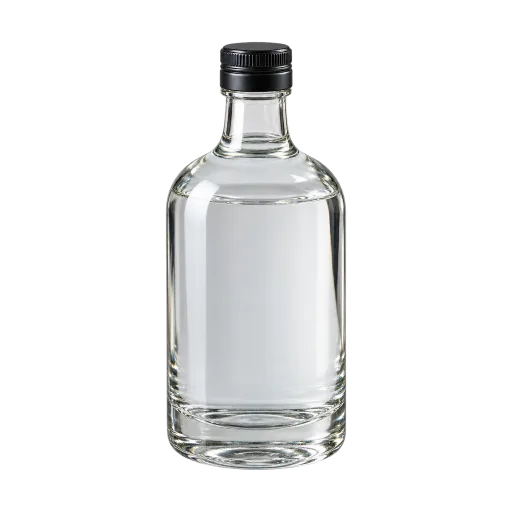
Baijiu is a broad Chinese grain-spirit category. Its aroma styles matter more than a blanket description such as “strong white spirit”. A bottle that does not resemble another baijiu is not necessarily faulty; they may belong to substantially different traditions.
Four useful starting styles
Ming River's category introduction identifies strong, light, sauce and rice aroma among a wider set of regional styles. It connects strong aroma especially with Sichuan, sauce aroma with Guizhou, light aroma with northern China and rice aroma with southeastern regions. These are orientation points, not borders beyond which no producer can work.
| Style term | Question to take to the producer |
|---|---|
| Strong aroma | Which grain, fermentation vessel and regional method? |
| Light aroma | Which raw materials and starter are used? |
| Sauce aroma | Which production cycle and expression is this? |
| Rice aroma | How is the rice fermented and distilled? |
Qu is central to many baijiu production methods: the starter supports the transformations needed for fermentation. Raw material, starter, fermentation environment and distillation vary. Do not assume a single mash or still arrangement describes the entire category.
Use one bottle as the example
Ming River describes its own product as a sorghum-based Sichuan strong-aroma baijiu. That tells you which example the producer is discussing. Its suggested fruit and spice notes are descriptions, not a list that every drinker must find.
Write the expression, aroma style, producer, region, actual ABV and stated ingredients. Copy the original spelling where supplied. A transliteration can be useful without replacing the name on the bottle.
Service is not a drinking challenge
Ask how the guest would like to explore the bottle and offer a small measured serving if requested. Water and non-drinking participation belong at the table too. Do not turn a cultural reference to toasting into pressure to empty a glass or match someone else's consumption.
Avoid explaining the entire category through one dramatic tasting reaction. A new aroma may be unfamiliar; it is not evidence that a spirit is defective, medicinal or interchangeable with a cooking ingredient.
Make the producer's Baigroni
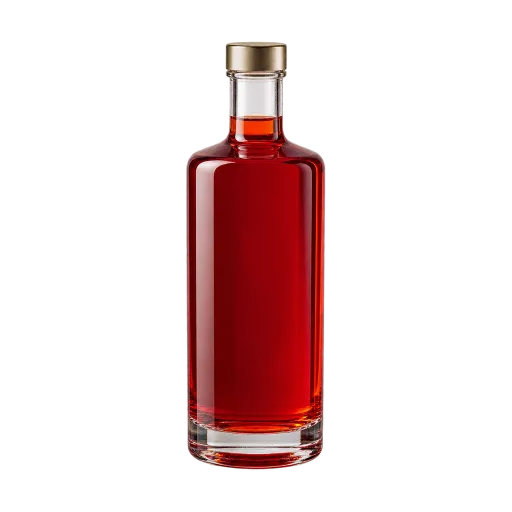
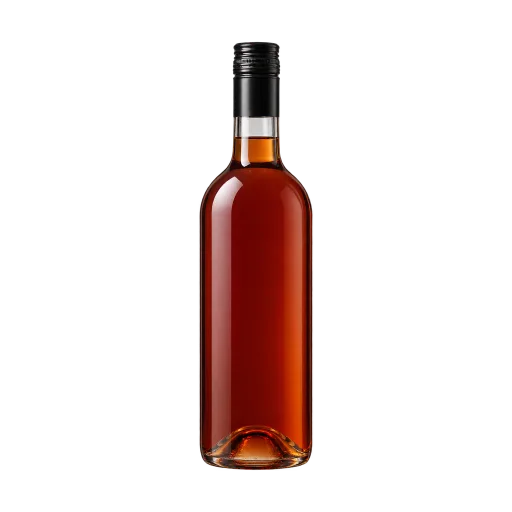
Ming River's Baigroni uses 25 ml Ming River Sichuan Baijiu, 25 ml Campari and 25 ml red vermouth, stirred on ice. That is 75 ml before dilution. It is a recipe for this named baijiu, not a ratio to apply to every aroma style.
For one serving, use a jigger, bar spoon and a rocks glass with room for the liquid and ice. The glass choice is an editorial service suggestion; the producer's short recipe does not specify it. Measure the three ingredients into the glass, add ice and stir to chill and combine. No garnish or fixed stirring time is specified by the producer.
Check the actual vermouth's storage directions and return it to storage promptly. Keep each bottle's ingredient and allergen information available. Serve promptly; a drink left over ice continues to dilute. If the result differs from an earlier serve, check the expression, measures, vermouth condition and ice before changing the formula. A substitute baijiu creates a variation.
Here the baijiu supplies the base, Campari contributes bitterness and sweetness, and red vermouth adds wine-based flavour and sweetness. This is a spirit-led structure, not a citrus sour. Compare it with the Negroni to study the structure; differences between the two drinks cannot isolate every effect of the changed base.
Storage and buying
Choose a bottle because a specific lesson or recipe needs it. Keep the original closure and follow its producer's storage directions. Freshly mixed ingredients require their own handling. The storage guide explains why a starting spirit does not preserve every finished mixture.
FAQs
Are there only four baijiu styles?
No. These are four major starting categories within a broader field.
Does sauce aroma mean soy sauce is an ingredient?
No. A style or flavour description is not an ingredient declaration.
Is baijiu a vodka substitute?
Treat it as its own category. A recipe change needs the specific product and complete formula.