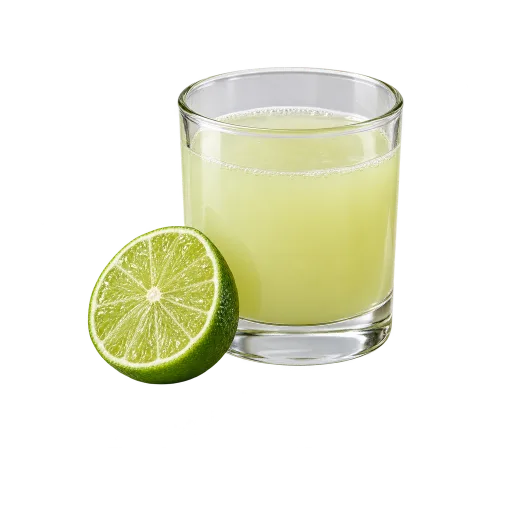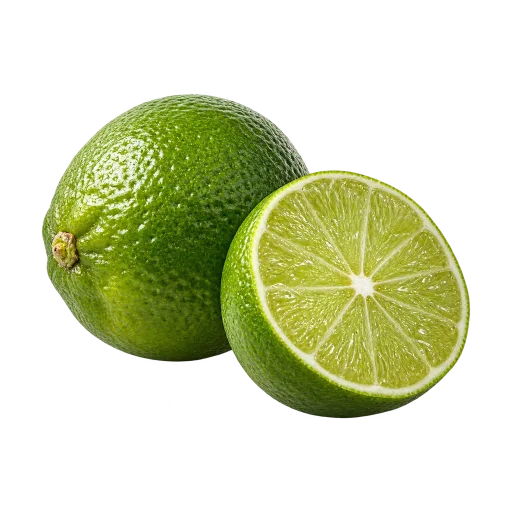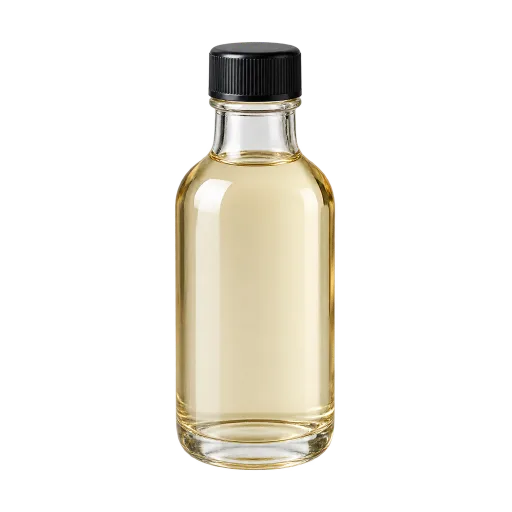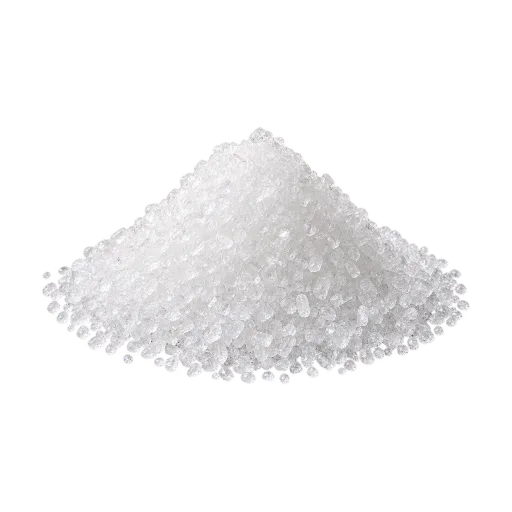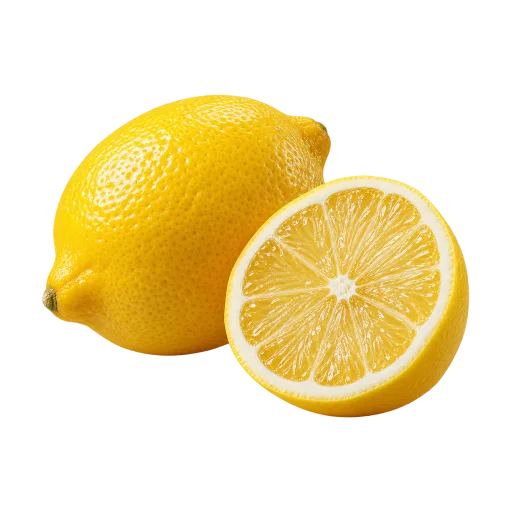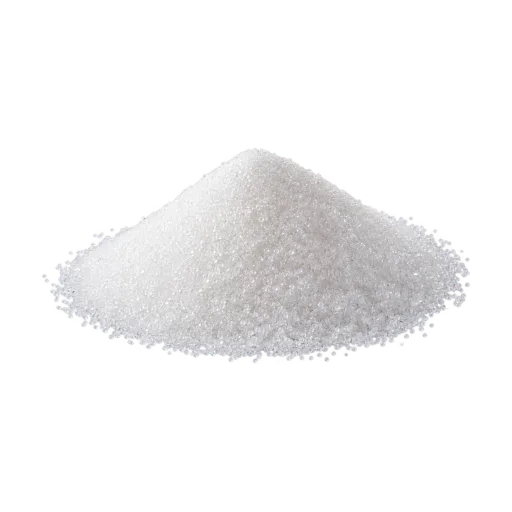

Lime juice, lime syrup and lime cordial can all appear in recipes. They do different jobs. Juice supplies the fruit's juice; a syrup supplies sweetness and water; a prepared cordial may combine sweetness, acidity and peel flavour in one ingredient.
Oleo saccharum starts with citrus peel and sugar. It captures an aromatic part of the fruit that squeezing for juice does not collect in the same way. Before replacing anything, identify which preparation the drink actually calls for.
Read the preparation, not just its name
| Preparation | What to look for | What a replacement might miss |
|---|---|---|
| Fresh juice | Named fruit and measured volume | Peel aroma, sugar or acid supplied separately |
| Simple syrup | Sugar-to-water specification | Citrus flavour and acidity |
| Oleo saccharum | Peel, sugar and the complete extraction method | Juice acidity and any later dilution |
| Citrus cordial | Full formula, including juice, peel, sugar and any added food acid | The balance of several roles in one bottle |
| Shrub | Fruit, sweetener and vinegar | The vinegar contribution |
“Cordial” is not a guarantee of one formulation or of no alcohol. Read the specific product or recipe. Keep the fresh citrus guide, syrup guide and shrub guide as separate references.
A complete lime cordial
Jeffrey Morgenthaler's lime cordial gives these quantities for one batch:
- 250 g sugar
- 240 ml hot water
- 45 ml fresh lime juice
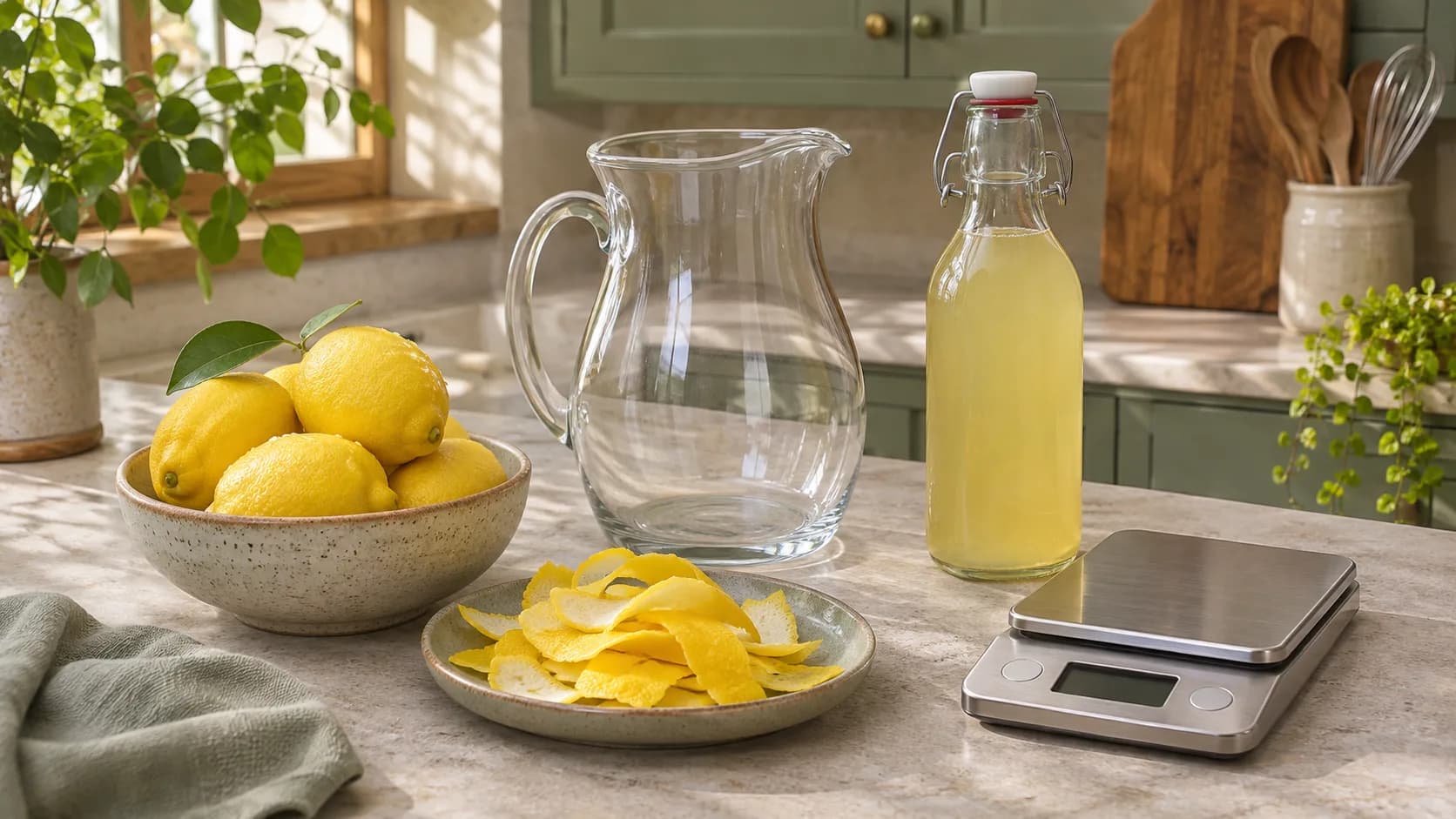
- 8 g freshly grated lime peel
- 25 g citric acid
Use food-grade citric acid, a scale, liquid measure, grater, fine strainer and a blender whose manufacturer permits the intended hot-liquid use. Wash the limes before preparing them.
Combine the ingredients and blend at medium speed for 30 seconds, then fine-strain, bottle and refrigerate. Follow the blender's capacity, venting and hot-liquid instructions; a sealed personal-blender cup is not an appropriate substitute. If your equipment cannot handle this preparation, choose another published method rather than improvising with hot liquid.
Measure the recovered batch and label its ingredients and date. The source does not supply a fixed recovered volume. Starting ingredient weights are not the volume you will bottle.
This is a credited recipe, not an Elixiary-tested preparation. Refrigeration is required; acid and sugar do not establish a universal keeping time. Use the storage guide and keep your source instructions with the batch.
What oleo saccharum changes
In Morgenthaler's vacuum-seal method, lemon peels and superfine sugar are sealed together to extract peel oil. His punch preparation uses the peels of 12 lemons with 1 pound of sugar, then incorporates that mixture into the complete punch. It is not a claim that this produces a bottle of measured, ready-to-pour simple syrup.
The important distinction is the stage: aromatic sugar and peels can be an intermediate preparation. A finished cordial can also contain juice, water and added acid. Follow the whole formula rather than taking an extraction ratio from one source and a finished-drink measure from another.
Record peel weight even when a source measures the fruit by count. That observation helps explain differences between batches without silently rewriting the credited recipe. A dozen small lemons and a dozen large ones do not provide identical amounts of peel.
Vacuum packaging is a process choice, not proof of shelf stability. Ordinary clean preparation, suitable packaging and refrigeration still matter. There is no need to buy a sealer to make the blender-based cordial above.
Use the cordial in a named drink
Morgenthaler suggests 45 ml gin with 30 ml of his cordial for a Gimlet. For one serving, measure those ingredients into a shaker, add ice, shake and strain into a chilled cocktail glass. Use clean measuring and straining tools; keep any garnish choice recorded separately.
That is a cordial-based Gimlet, not a fresh-lime-and-syrup formula. The Gimlet card is another complete recipe reference; keep whichever version you choose intact rather than combining the measures from both.
If a variation tastes sharper than expected, check the acid weight, juice amount and whether you used the intended cordial volume. If it seems too sweet, check the sugar specification before adding more juice. Changes to a cordial affect several later drinks, so save a new batch version instead of correcting each glass without a record.
Keep food acids in clearly labelled original packaging away from cleaning products. Do not substitute an unidentified powder or assume that all citrus fruits need the same acid blend. The complete formula is the reference.
FAQs
Is oleo saccharum the same as simple syrup?
No. It begins with peel and sugar to capture aromatic oils. Its final use and dilution depend on the complete preparation.
Can I replace cordial with fresh juice?
Not as an equivalent ingredient. You would also need to account for the cordial's sweetness, aroma and other components. Start from a fresh-juice recipe instead.
Does citric acid give a homemade cordial a fixed shelf life?
No. Follow the preparation and storage instructions. An ingredient name or sour taste does not validate a keeping time.