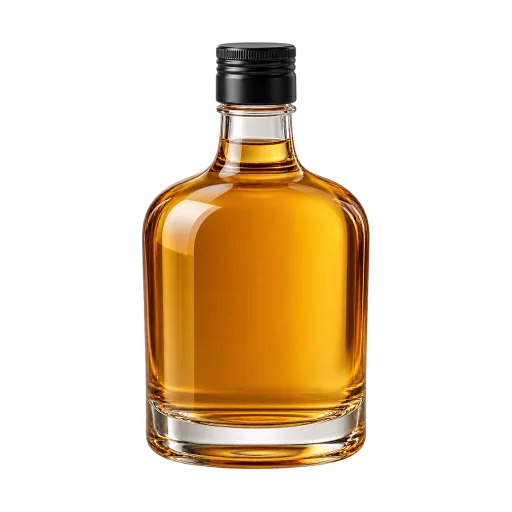
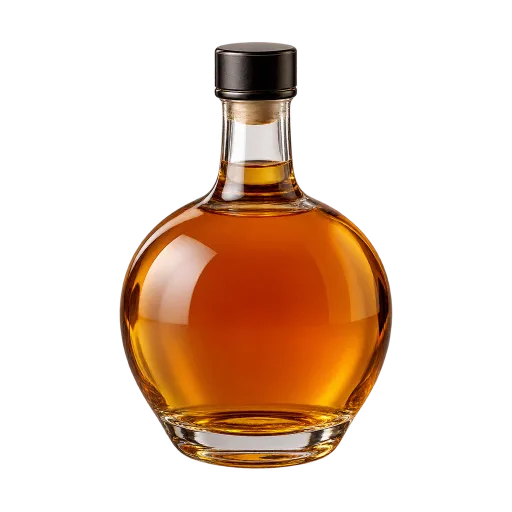
A Sidecar asks for Cognac; a Pisco Sour asks for pisco. Both belong in a discussion of fruit-based spirits, but they are not interchangeable bottles. Before buying “a brandy,” find the category the recipe names and read the label's strength and ageing information.
Brandy is a broad term for spirits made by distilling fermented fruit materials. Wine brandy, apple brandy and other fruit spirits can bring very different flavours and production traditions. This guide starts with those distinctions so you can choose a bottle for an actual drink.
The useful distinctions
| Category | Starting material or defining context | What to check for a recipe |
|---|---|---|
| Cognac | Wine spirit from the protected Cognac appellation in France | Cognac designation, age category and bottle ABV |
| Armagnac | Wine spirit from the Armagnac region in southwest France | Appellation, aged or Blanche style, and bottle strength |
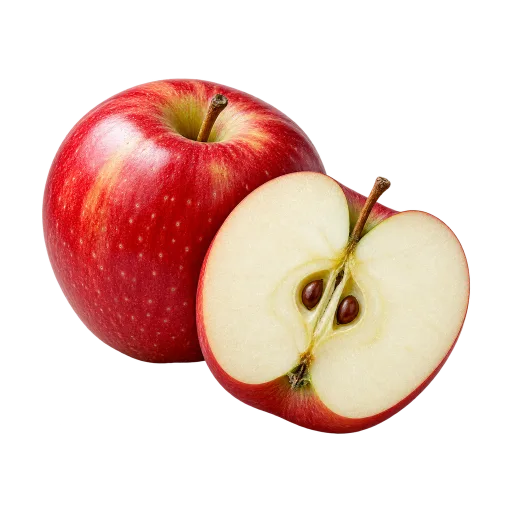
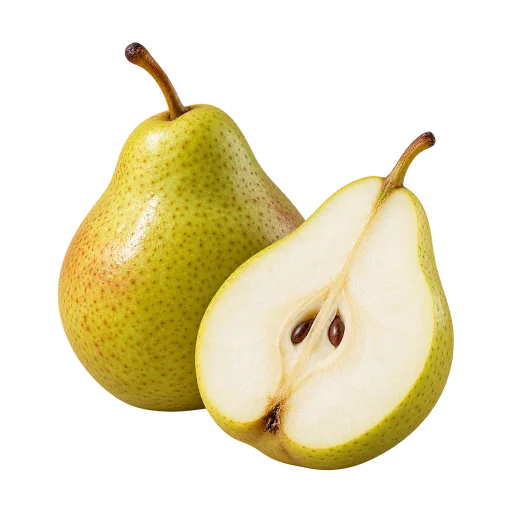
| Calvados | Cider or perry spirit from protected Normandy appellations | The named appellation, age information and apple/pear context |
| Pisco | Grape spirit with distinct Peruvian and Chilean traditions | Which country's style and product the recipe actually specifies |
| Grappa | Italian grape-pomace spirit | Pomace-based category and the bottle's specific style |
| Other fruit brandies or eaux-de-vie | A named fruit, with production and labelling depending on the category | The actual fruit and product; do not assume an added flavouring or a liqueur |
This table is an orientation, not a shared legal definition for every country. A fruit liqueur can be sweetened and formulated differently from a fruit spirit. The maraschino and cherry-brandy guide shows why a familiar fruit name can hide that distinction.
Cognac and its age labels
The BNIC production guide describes Cognac's progression from grapes and wine through double distillation, oak ageing and blending. The protected name refers to its origin and production, not simply a flavour associated with an amber spirit.
The BNIC FAQ gives the familiar age categories in terms of the youngest spirit in a blend:
- VS: at least two years.
- VSOP: at least four years.
- XO: at least ten years.
These are Cognac categories. Do not transfer the same minimum ages to a different spirit because its label uses similar letters. They also do not tell you exactly how a bottle will taste in your chosen cocktail.
For a first purchase, a recipe naming a particular producer or age style gives you a clearer starting point than a shelf labelled “premium.” An expensive older bottle is not required to learn a Sidecar.
Armagnac deserves its own name
Armagnac is another French wine-spirit tradition, with its own region and production rules. It is often associated with the continuous Armagnac still, but the BNIA FAQ explains that double distillation is also used by some houses. “Cognac is double-distilled and Armagnac is always single-distilled” is too absolute.
Look for the named appellation and the bottle's style. Aged Armagnac and Blanche Armagnac should not be treated as one flavour profile. If you use Armagnac in a recipe written for Cognac, save it as a variation and note the actual bottle strength; do not assume the change affects only aroma.
Calvados is made from fermented cider fruit
Calvados France explains that Calvados comes from cider or perry, with apples, pears and production details depending on the appellation. It is not merely a neutral spirit with apple flavour added.
The organisation lists a minimum oak ageing of two years, or three years for Calvados Domfrontais. That difference is a useful reminder to read the full category name. Age and production matter, but they are not a guarantee of one universal “apple” intensity.
If you want an apple-brandy cocktail, use a complete recipe that names the required style. A generic apple liqueur is not a substitute for Calvados, and neither label establishes the same sugar or alcohol content.
Pomace spirits are another branch
Wine and pomace are different starting materials. Hello Grappa's production guide describes pomace as the grape skins and seeds remaining from winemaking, with fermentation handled as needed before distillation.
Grappa therefore should not be treated as another label for Cognac. The raw material, production and individual bottle can lead to quite different results. Read a grappa recipe on its own terms instead of replacing a Cognac pour merely because both came from grapes.
Pisco is another category worth learning separately. Peru’s tourism authority and ProChile each describe their country’s grape-spirit tradition. Name the specific tradition rather than collapsing them into a single national origin claim. For now, follow the specific pisco requested by a complete Pisco Sour recipe; a Cognac-based sour is a different drink.
Make a Sidecar to understand the role of Cognac
The IBA Sidecar is a clear starting reference for one serving:
- 50 ml Cognac
- 20 ml triple sec
- 20 ml fresh lemon juice
- Ice for shaking
Measure the three liquids into a shaker, add ice, close securely and shake. Strain into a chilled cocktail glass. The IBA version specifies no garnish. It does not ask for an extra pour of sugar syrup.
Use the Sidecar card to keep the recipe and instructions together. The Cognac supplies the base character and much of the alcohol; triple sec adds orange flavour, sweetness and alcohol; lemon supplies acidity. Buying the right base does not remove the need to measure the other two.
For a stirred example, look at the Vieux Carré, which combines Cognac with rye and other modifiers. For a simpler two-ingredient example, the French Connection pairs Cognac with amaretto. Those are different structures, not a single brandy ratio.
Shop from two recipes
Write down the exact brandy category and any age or producer specification in two drinks you actually want to make. Check whether one bottle can reasonably cover both. Then note its ABV, the needed modifiers and the serving quantities before comparing prices.
Avoid buying a bottle because its colour looks right. An unaged fruit spirit, an oak-aged wine spirit and a sweet fruit liqueur can each belong in a bar, but they do different jobs. Once opened, store the bottle according to its label and the ingredient-storage guide.
FAQs
Is all brandy Cognac?
No. Cognac is a protected category with a specific origin and production rules. The wider discussion of brandy includes other wine and fruit spirits.
Can I use Armagnac instead of Cognac in a cocktail?
You can make that variation, but compare the actual style and strength of the bottles. Keep the original recipe identified and record the replacement rather than presenting the drinks as identical.
Is apple liqueur the same as Calvados?
No. Calvados is distilled from cider or perry under its appellation rules. An apple liqueur is a different product, and its sweetness and strength need to be checked separately.
Do I need XO Cognac for cocktails?
No. Follow the recipe's bottle specification and your budget. An older age designation is not a universal requirement for a well-made Cognac cocktail.