Twenty grams of lemon peel is an input to a formula, not a promise of a particular amount of juice. Super juice combines citrus peel, food acids, water and usually the fruit's own juice to make a prepared cocktail ingredient. The name covers different recipes.
Its useful question is practical: does this specific preparation work in the drinks and quantities you need? It is not automatically identical to fresh juice, and a larger liquid yield alone does not establish lower waste or better flavour.
Choose one complete version
Kevin Kos's published super-juice formula scales water and acids from peel weight. His later response about the method discusses changes and other versions. Those pages make it especially important to record which version you followed.
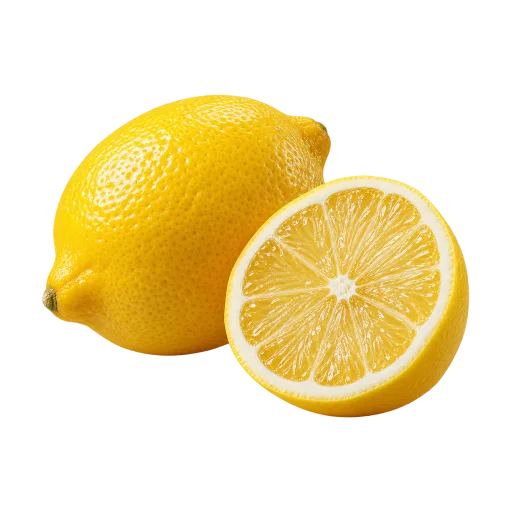
For the earlier lemon formula, 20 g peel gives this calculation:
| Input | Calculation | Amount |
|---|---|---|
| Lemon peel | Measured starting quantity | 20 g |
| Food-grade citric acid | Equal to peel weight | 20 g |
| Drinking water | 16.66 times peel weight | 333.2 g |
| Fresh juice | Juice from the lemons supplying the peel | Measure and record the actual recovery |
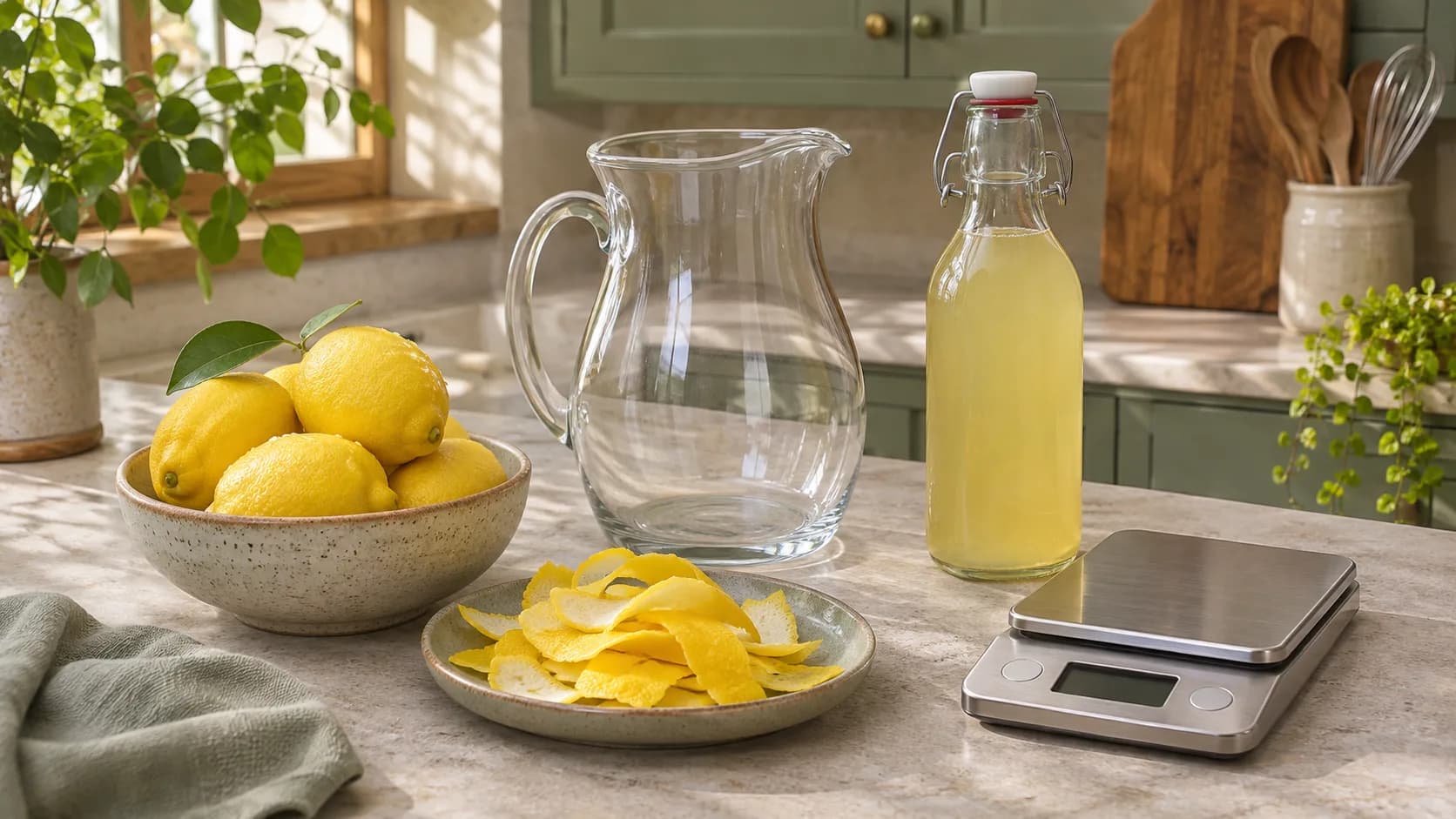
Use a scale capable of measuring these amounts, washed lemons, a peeler, clean jar, blender, suitable straining cloth and a food-safe bottle. Keep cleaning chemicals and unidentified powders out of the preparation area.
Mix peel and acid in the jar and leave for up to two hours following the cited version. Transfer to the blender with the weighed water, using part of that water to rinse the jar. Add the fruit's juice, blend for about 30 seconds, strain, bottle and refrigerate. Record the recovered volume rather than adding the starting weights and calling the total millilitres.
This is the source's earlier lemon method, not its lime or orange formula and not a reproduction of its later revision. The arithmetic scales the cited recipe; Elixiary has not tested its flavour or keeping performance.
Keep acidity claims precise
The recipe's acid addition is known. The natural juice composition and recovered volume vary. A calculated acid addition is not a measured final titratable acidity, and neither is the same thing as pH.
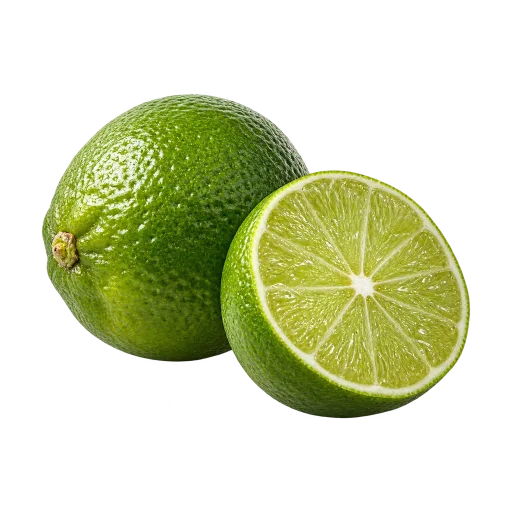
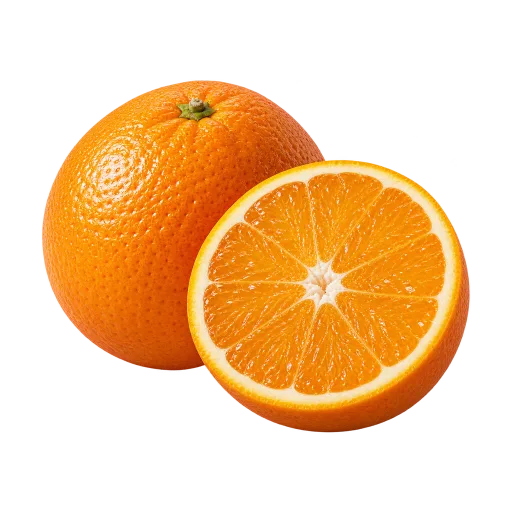
Do not transfer the lemon acid amount to lime, orange or grapefruit by changing the fruit name. A published orange preparation may deliberately be acid-adjusted to work in a recipe that normally uses a sharper juice. It should not be described as an equivalent glass of ordinary orange juice.
For fresh squeezing and peel expression, use the citrus guide. This preparation is a separate ingredient with its own record.
Evaluate one intended use
Choose one complete existing recipe and make a paper comparison first. Record the fresh juice it specifies, the amount you propose replacing and which super-juice batch would replace it. Do not simultaneously change the syrup, spirit and method.
If you choose to make a small comparison, keep preparation and service conditions consistent and write your own observation. Peel aroma, bitterness, acidity and texture deserve separate notes. A difference is not automatically an improvement, and an online recipe author's tasting result is not your result.
Use a recipe notebook to keep the original and the variation. Do not edit the catalogue recipe to imply it always used this preparation.
Measure the operational result
Record fruit purchased, usable peel, fresh juice recovered, final strained ingredient, time spent and leftovers actually used or discarded. Compare the quantity you finish before quality or handling becomes uncertain. Making more ingredient that goes unused is not a demonstrated waste reduction.
Refrigerate in a clean closed container and label the formula, ingredients and preparation date. The cited recipe's keeping guidance belongs to that recipe; it is not a validated life for every changed formula. Acid addition, smell and a clear appearance cannot certify safe storage. The storage guide covers those limits.
If the mixture is unexpectedly bitter, review peel preparation and the chosen formula before adding sugar. If the calculation looks wrong, stop before blending and check grams, the multiplier and which fruit version you selected. Do not try to rescue an uncertain acid dose by guessing additional water.
FAQs
Is super juice fresh juice?
It is a prepared ingredient containing additional components. Name it accurately and retain the complete formula.
Does eight times the yield mean eight times the value?
Not necessarily. That claim depends on the fruit, formula, preparation and how much is actually used. Measure your own yield and cost without inventing a universal saving.
Can I use the same acid blend for every citrus fruit?
No. Follow the specific published formula and its intended use.