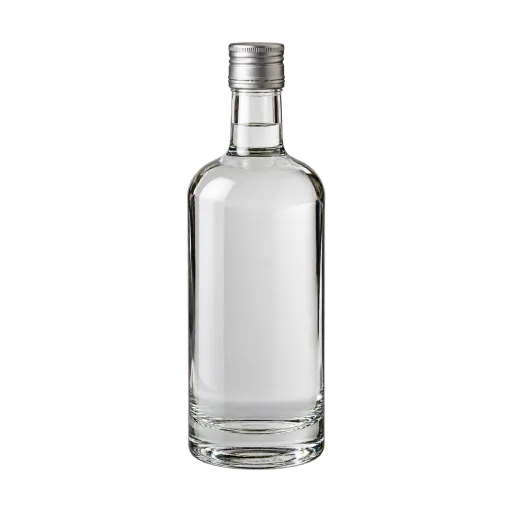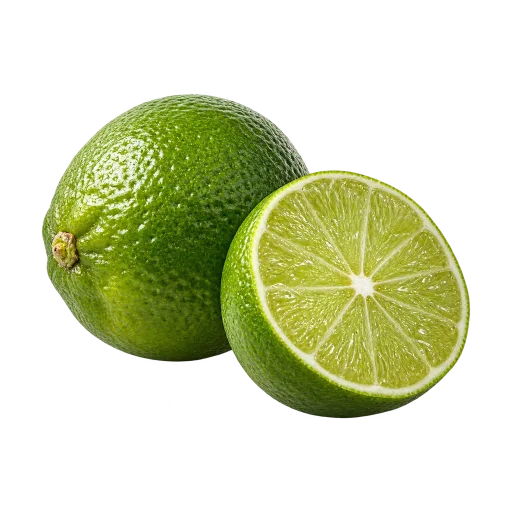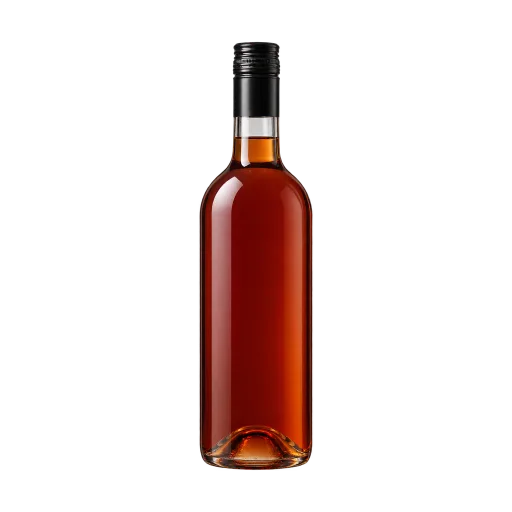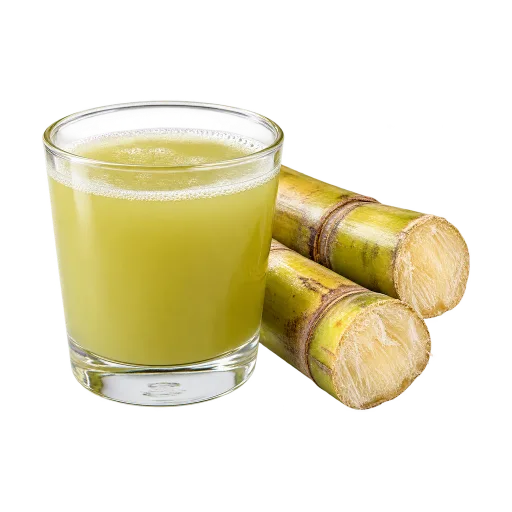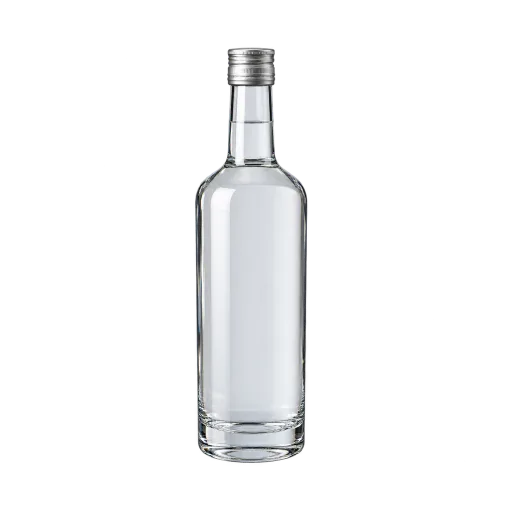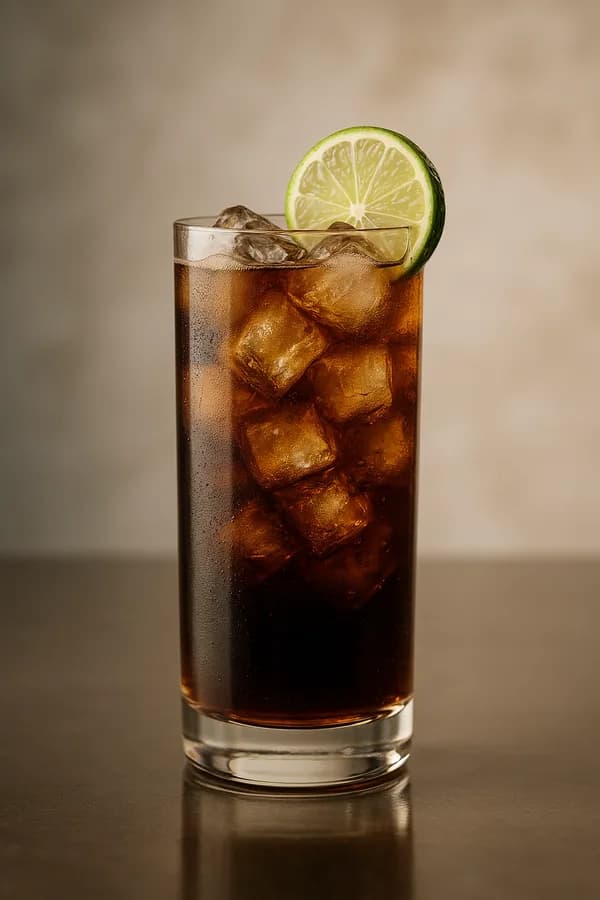
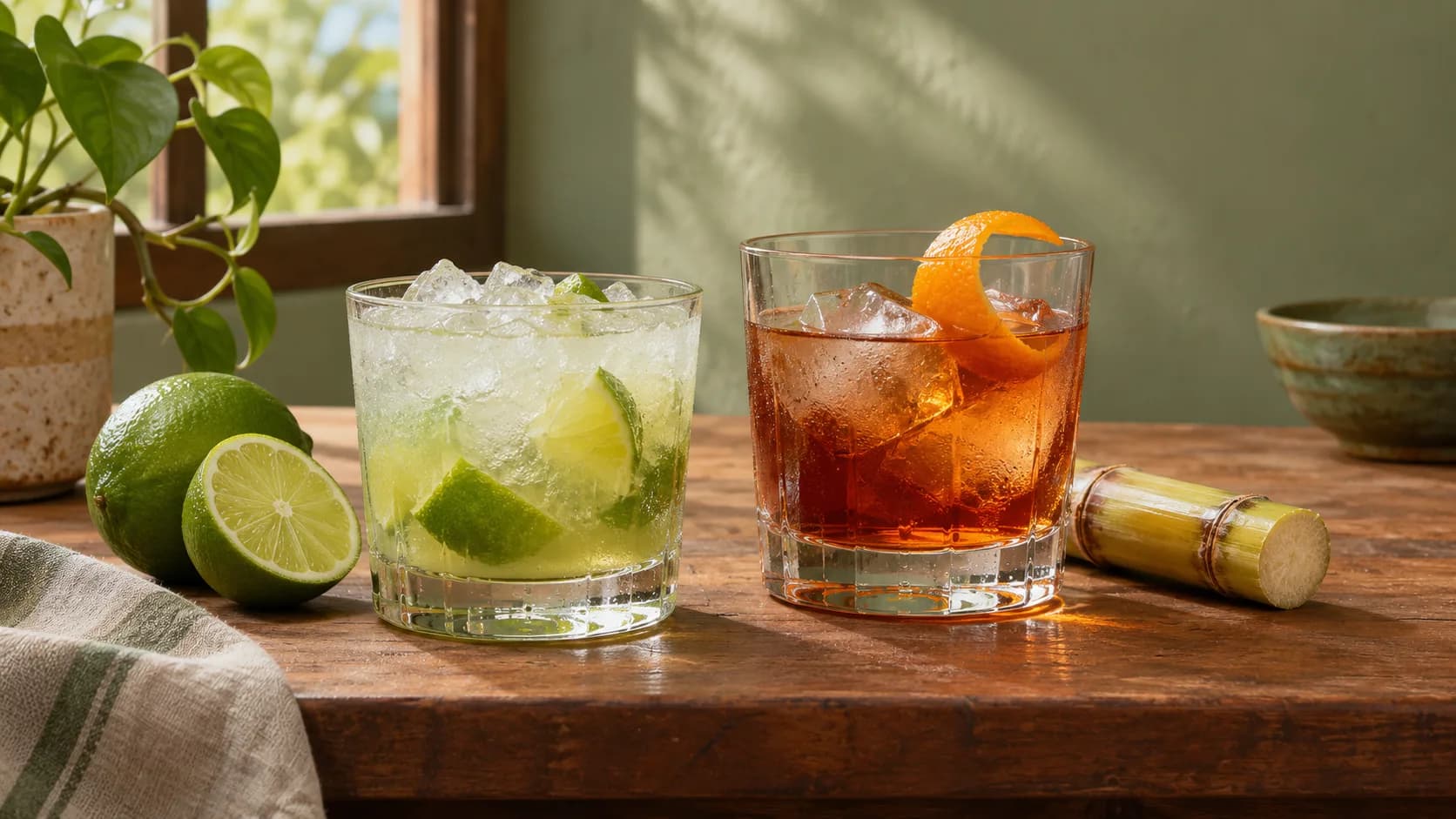
A Caipirinha uses lime and sugar around cachaça. A Rabo de Galo puts the same spirit alongside vermouth and a bitter modifier. Learning both gives a better picture of the ingredient than treating it as a bottle for one drink.
Cachaça is a Brazilian spirit made from fermented sugarcane juice. The Instituto Brasileiro da Cachaça identifies that starting material and the Brazilian category. It is not a generic label for every cane spirit or a flavourless substitute for vodka.
Read more than the colour
| Check | Why it matters in a recipe |
|---|---|
| Named producer and expression | Keeps the ingredient identifiable when repeating the drink |
| Alcohol strength | Changes alcohol contributed by the same measured pour |
| Wood information | Helps distinguish different storage or maturation choices |
| Recipe specification | Tells you whether the writer expects a particular style |
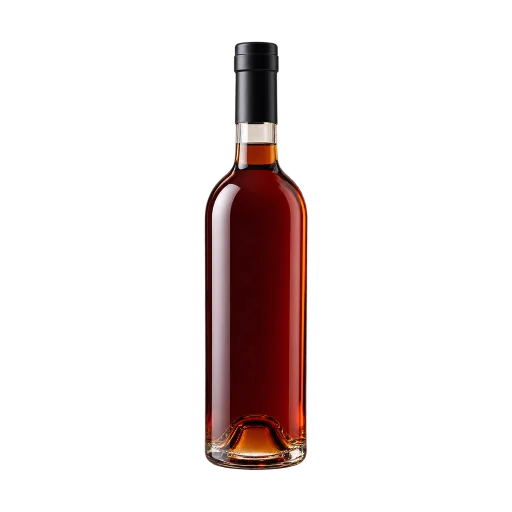
IBRAC's wood reference discusses oak alongside Brazilian woods including amburana, bálsamo and jequitibá. Wood is therefore a more useful question than assuming every golden bottle means the same flavour. The producer's actual expression still matters; do not turn a wood name into a tasting result you have not observed.
A pale appearance also does not prove no wood contact. Read the bottle's information. “Clear for mixing, gold for sipping” is too crude to select an ingredient for either drink below.
Caipirinha: lime and sugar in the glass
The IBA Caipirinha makes one serving with:
- 60 ml cachaça
- One lime cut into small wedges
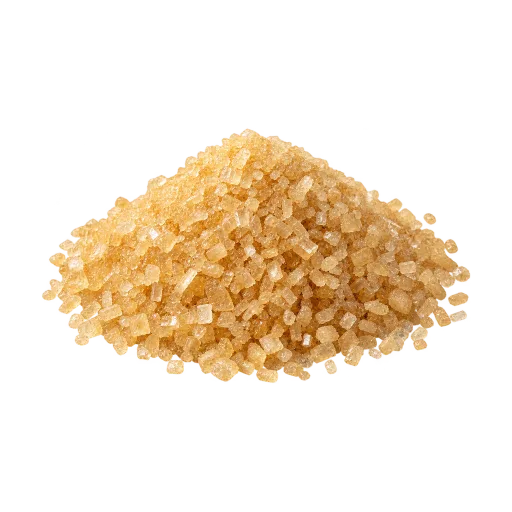
- Four teaspoons white cane sugar
- Cracked ice
Use a sturdy double Old Fashioned glass, measure, suitable muddler and spoon. Wash the lime, cut it as specified, put it in the glass with the sugar and muddle gently. Add cracked ice and cachaça, then stir to combine. The source specifies no garnish.
That version measures lime by fruit count, so fruit size affects the result. Record what you used rather than silently assigning one fixed juice volume. It also uses granulated sugar rather than substituting an unrecorded syrup.
The Caipirinha card is a complete recipe reference. Use the muddling guide for tool care and why herbs and fruit need different handling.
Rabo de Galo: a bitter, wine-modified structure
The IBA Rabo de Galo makes one serving from:
- 60 ml cachaça
- 20 ml Cinzano Rosso sweet vermouth
- 15 ml Cynar
- Two drops Angostura bitters, optional
- Ice
- An orange twist
Measure the liquid ingredients into a rocks glass, add ice and stir briefly. Finish with the orange twist. You need a jigger, spoon and serving glass; no muddled lime or extra sugar belongs to this particular formula.
This shows cachaça in a different structure. Vermouth and Cynar contribute more than sweetness, and both add alcohol. Replacing them with syrup would create a different drink. Keep the named products if following this version exactly.
Choose a bottle from the recipes
Read any bottle recommendations attached to the specific versions you intend to make, then compare expressions within your budget. One bottle that suits two chosen recipes is more useful than buying several based on colour alone.
If changing from one expression to another, keep the source recipe identified. Note the bottle ABV and wood information, then describe your own experience if you choose to taste the result. Neither an older age nor a higher price guarantees that you will prefer it in that drink.
For more Brazilian preparations, use the existing Brazilian drinks guide. It keeps regional recipes and ingredients together instead of reducing the country's drinks to one formula. This category guide complements that selection.
Avoid three shortcuts
First, rum is a broad category with different raw materials and traditions; a rum replacement changes the Caipirinha's identity. The IBA specifically names its rum variation Caipirissima and its vodka variation Caipiroska.
Second, do not use stronger muddling as a default response to a disappointing drink. Check lime, sugar, measure and method first. Third, treat opened vermouth as its own ingredient with its producer's storage directions. A spirit-based drink does not make the wine component shelf-stable.
FAQs
Is cachaça just white rum?
That label loses the Brazilian category and its fermented-cane-juice identity. Use the specific spirit requested by the recipe.
Does all cachaça age in oak?
No. Producers use different storage and wood choices. Read the individual expression.
Do I need a shaker for these two drinks?
No. Both cited versions are prepared in the serving glass, with their own ingredient and ice instructions.