Wine, beer and cider can supply flavour, sweetness, acidity, bitterness, carbonation and alcohol to a mixed drink. They are not interchangeable “low-strength bases”. Read the exact style and bottle before deciding how it fits the recipe.
This is an orientation for mixing and service. It does not replace detailed wine study, brewing education or draught-system training.
Choose the product the recipe actually needs
| Ingredient | What to confirm |
|---|---|
| Still wine | Colour, sweetness, style and actual ABV |
| Sparkling wine | Named type, sweetness and service instructions |
| Beer | Style, bitterness, carbonation, strength and ingredients |
| Cider or perry | Actual fruit base, sweetness, carbonation and product identity |
A dry cider and a sweet flavoured cider can change a drink in different ways. A beer's colour does not establish its bitterness, alcohol or allergen information. Keep labels and producer details rather than inferring those properties from a photograph.
Sparkling ingredients finish the drink
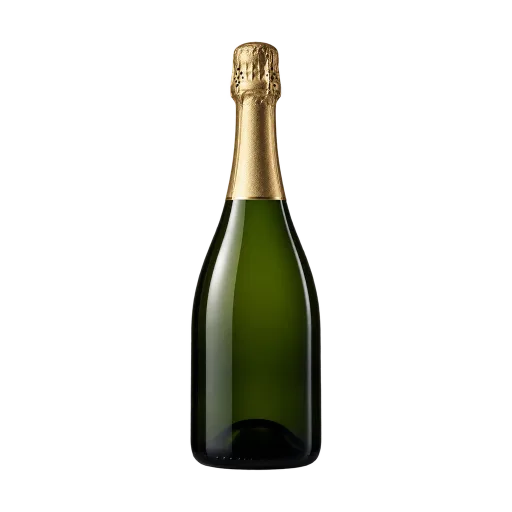
The French 75 is prepared without shaking the Champagne, which is added afterwards. Keep that distinction when scaling. A jug mixed long before service loses carbonation, while an unmeasured top-up changes portion and strength.
Champagne is a protected named wine, not a generic word for every sparkling product. If you use another wine in a variation, name it accurately. Sweetness terms also need care: Comité Champagne's guide distinguishes brut from the sweeter extra-dry category.
Open a sparkling bottle under control
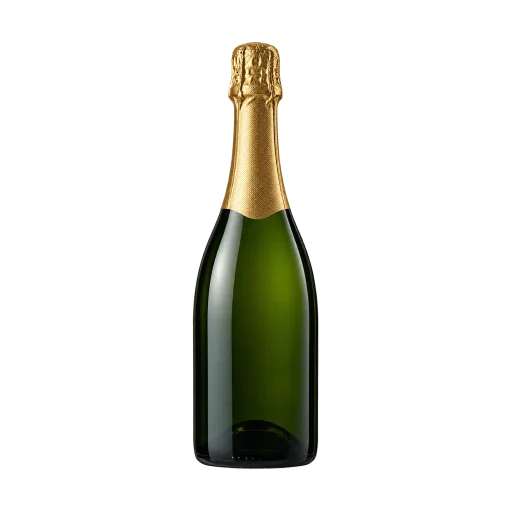
Chill appropriately first. Keep the bottle pointed away from people, retain control of the cork while releasing the cage, hold the bottle at a safe angle and rotate the bottle while controlling the cork. Follow the producer's complete directions. Flying corks and sabrage are not required for good service.
Once opened, use the suitable closure and storage directions for that product. Do not improvise pressure fittings or re-carbonate wine in a water-only device.
Beer service is also equipment work
The Brewers Association's Draught Beer Quality Manual covers line cleaning, gas dispense, system balance, pouring and sanitation. Its publication page is a route to specialist instructions, not a short-cut procedure for changing a gas regulator.
Use trained, authorised staff for draught equipment. A foamy pour can involve temperature, system or cleaning issues; do not solve it by guessing a pressure adjustment. Bottled and canned products still need correct storage, clean glassware and the actual producer's directions.
Alcohol and dietary checks
A fermented product can contain alcohol even when it tastes light. Low-alcohol or alcohol-free wording depends on the actual product and market. Check every component of the finished drink, not only the base.
Beer can involve cereals and other ingredients; wine and cider products have their own declarations. Do not promise gluten-free, vegan or allergen suitability from a category name. A garnish or mixer can change the answer as well.
Keep further lessons distinct
A useful next guide should answer a specific question: sparkling-wine sweetness in spritzes, beer style in a measured mixed serve, or cider versus perry in a named recipe. One page for every bottle would add clutter without necessarily teaching more.
Use the storage guide and batching guide to keep handling, portioning and final additions explicit.
FAQs
Can any sparkling wine replace Champagne?
It creates a variation. Check sweetness, style, quantities and naming.
Should I shake a beer cocktail?
Follow its complete recipe. Do not shake a finished carbonated mixture by guesswork.