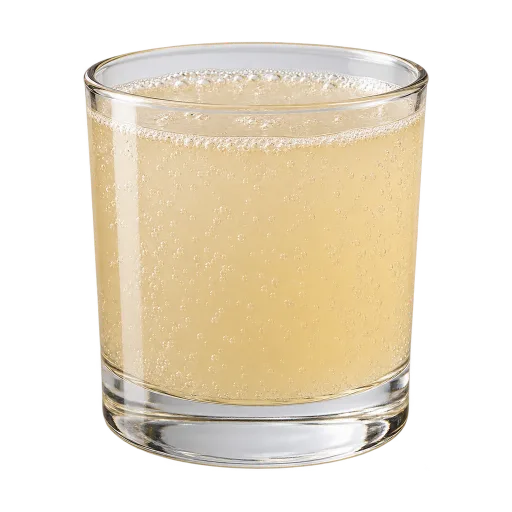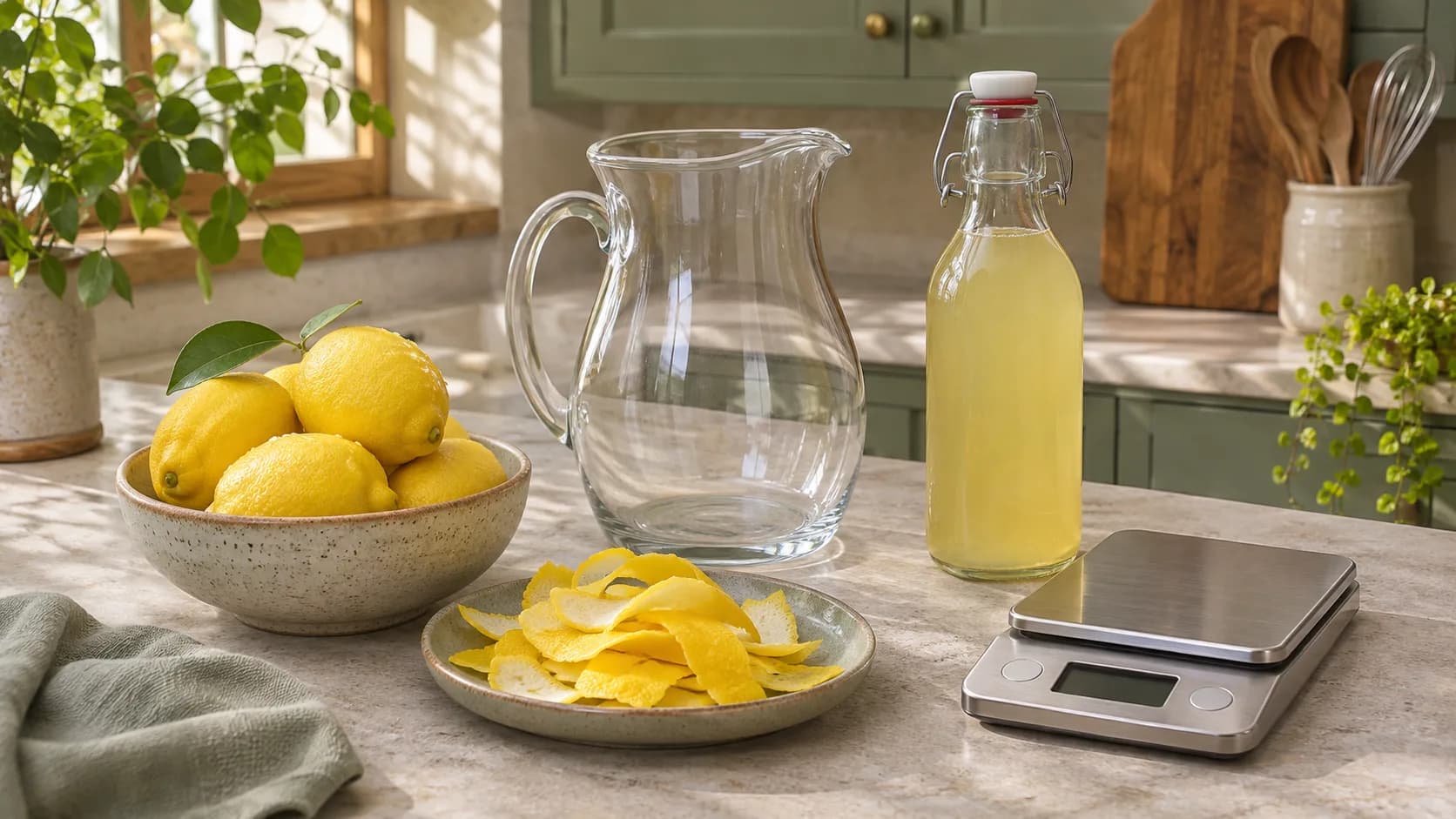

A fermented mixer has already been changed by microorganisms before it reaches the glass. That can affect acidity, sweetness, carbonation and alcohol. It also means that a sharp flavour or a lively fizz cannot tell you everything you need to know about the product.
Begin with a commercially made mixer and its label. Learning how it works in a drink does not require growing a culture at home.
What to check on the bottle
Record the exact product, declared alcohol information, storage temperature, date and after-opening instructions. Look for added fruit, sweeteners and flavourings rather than assuming every bottle under the same category name is equivalent.
| What varies | Why a drink maker cares |
|---|---|
| Acidity | The recipe may already contain lemon, lime or vinegar |
| Sweetness | A dry product and a sweetened one change the balance |
| Carbonation | The mixer may need gentle, last-minute addition |
| Alcohol | Fermented does not mean alcohol-free |
| Active culture and handling | Storage conditions can affect the product after bottling |
Kombucha and changing alcohol
The US Alcohol and Tobacco Tax and Trade Bureau describes kombucha as a tea-and-sugar fermentation with yeasts and bacteria. It explains that continued fermentation can increase alcohol after bottling. Its 0.5% ABV regulatory threshold is a US rule, not a universal definition of alcohol-free service.
Do not tell a guest that a product has zero alcohol because it is sold beside soft drinks. Read its current information and use a suitable verified alternative when alcohol exclusion matters. Refrigeration directions remain important, but cold storage alone is not a measurement of alcohol content.
Use the mixer as its own ingredient
Choose a complete recipe written for that product or style. Record the mixer portion, other ingredients, serving ice and finishing method. A recipe calling for ginger beer does not automatically work with a tart tea ferment at the same amount.
For a first paper review, compare two commercial products without opening either. Note sweetness information, alcohol declaration, refrigeration and whether the recipe names a specific one. This makes the missing information visible before a shared jug is mixed.
If a properly handled recipe tastes too sharp, check its measured acid and the actual mixer before adding unmeasured syrup. Any deliberate change belongs in a separate variation record. Appearance and taste cannot validate an uncertain batch.
What this overview does not teach
A live-culture recipe needs a complete process: ingredient specification, culture, sanitation, time and temperature controls, packaging, pressure management, alcohol verification where needed and storage. “Leave fruit and sugar in a jar until fizzy” is not that process.
Do not repurpose a sealed bottle as a fermentation vessel or copy one preparation's timing into another. For service, a known commercial product is a useful starting point; home production requires a properly reviewed recipe and handling method.
Serve and store
Keep the original label with the service record. Use clean equipment, store as directed and add a sparkling mixer near service. Do not return leftovers from a serving glass to the bottle. Follow the storage guide for the distinction between commercial products and homemade mixtures.
For a guest requesting no alcohol, choose an option whose complete ingredient list fits the request. Tea, fruit and fermentation are ingredient descriptions, not health promises.
FAQs
Is all kombucha alcohol-free?
No. Check the actual product and its alcohol information.
Can I test safety by tasting it?
No. A pleasant flavour does not establish safe handling or alcohol content.
Is ginger beer always fermented?
Do not assume it is. Products vary; read the producer's information.