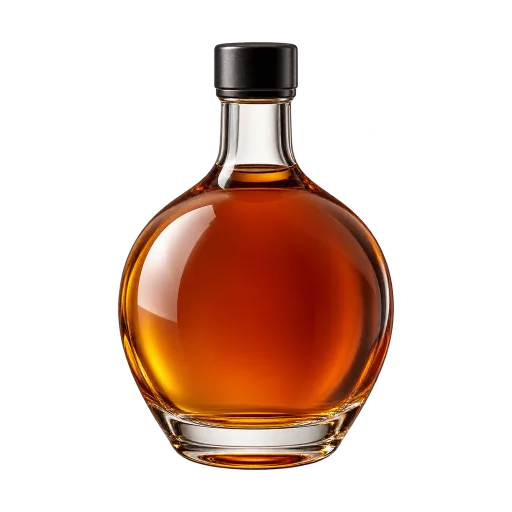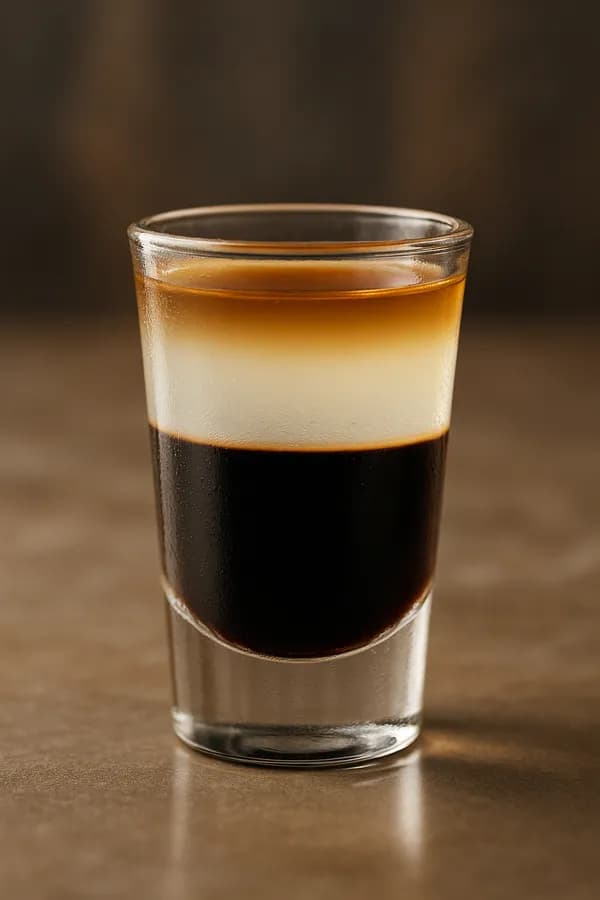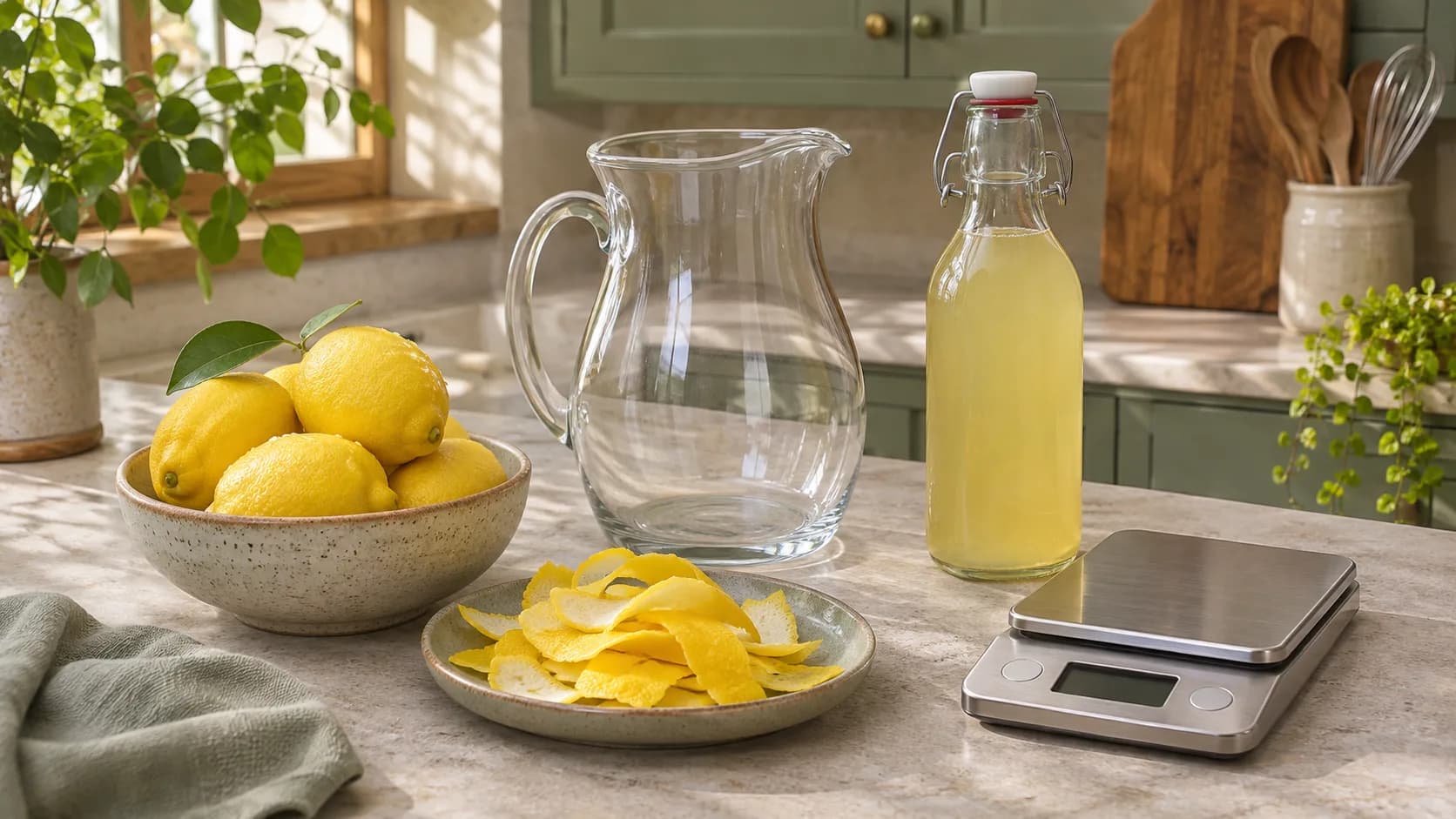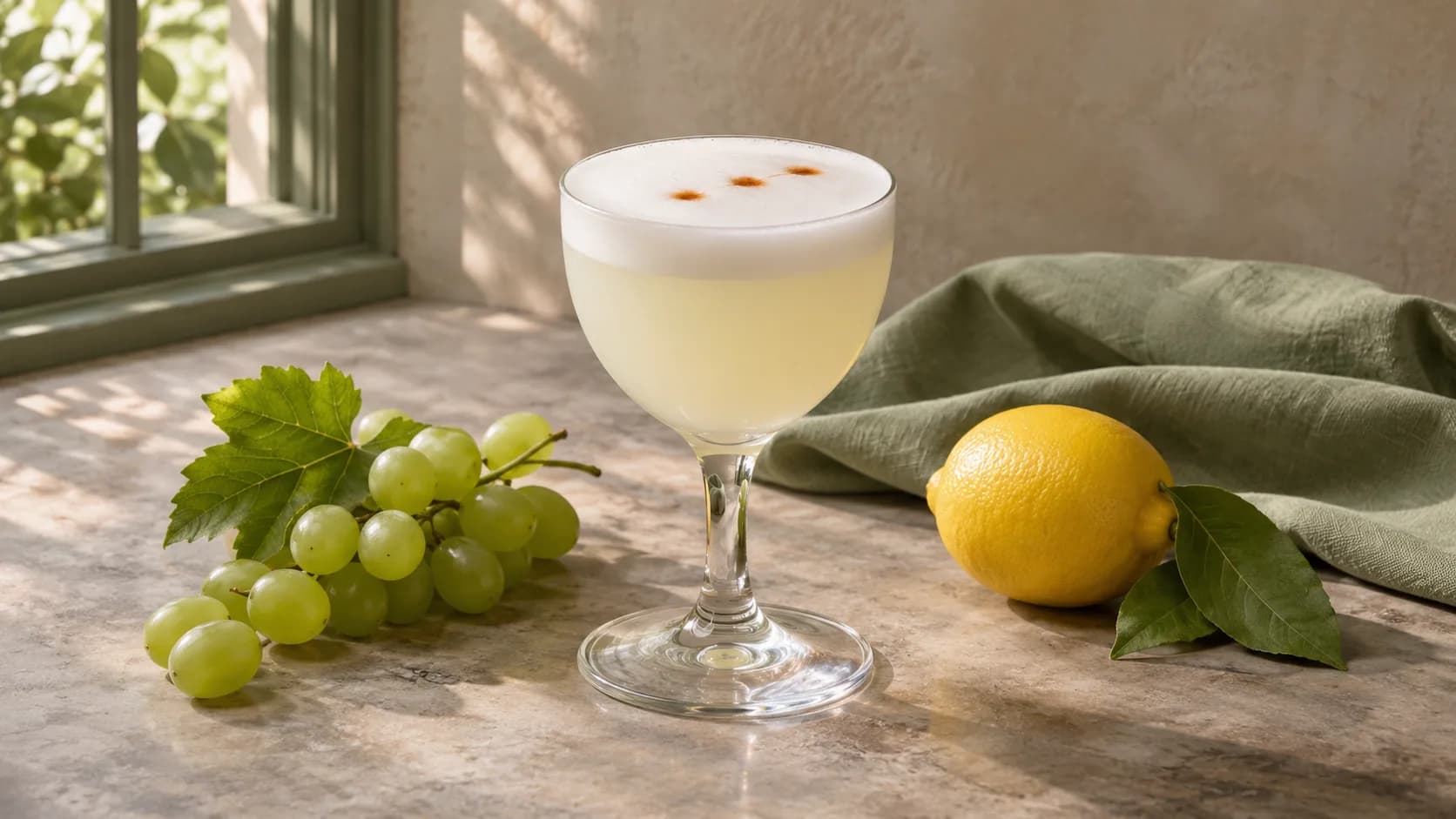
“Pisco” is a useful first line on a shopping list, but it leaves choices unresolved. A Peruvian puro and a Chilean oak-aged bottle belong to distinct production traditions. Neither should be selected merely because its label resembles the bottle in a recipe photograph.
Start with the country and style requested, then check grape information and alcohol strength. When changing a bottle, save the change as a variation rather than saying all grape spirits are interchangeable.
Two traditions deserve specific names
Peru's tourism authority describes three useful Peruvian terms:
| Term | What it describes |
|---|---|
| Puro | A single grape variety |
| Acholado | A blend, with the exact production choices belonging to the producer |
| Mosto verde | Distillation from must whose fermentation has not finished |
These descriptions do not mean mosto verde is a sweet liqueur or that every puro has one flavour. Read the grape and producer information rather than converting a production term into a guaranteed tasting note.
ProChile's pisco guide describes Chilean grape spirits from Atacama and Coquimbo, including transparent and wood-influenced styles. Its named strength categories and ageing descriptions belong to that context. They are not translations of puro, acholado and mosto verde.
This guide does not settle national origin disputes. It identifies the actual ingredient used in a drink. Keep the country's terminology and producer attached to the bottle description.
Four label checks
- Country and named category. Record the bottle's actual designation.
- Grape or blend. Keep a named variety or blend description where provided.
- Production and storage style. An oak-influenced product and an unaged one should not be assumed to taste alike.
- ABV. Use the stated percentage, especially when changing brands or calculating alcohol per serving.
Colour alone does not supply those answers. Neither does price. Choose from the drinks you intend to make rather than trying to buy one imaginary universal pisco.
Make one sourced Pisco Sour
The IBA Pisco Sour makes one serving from:
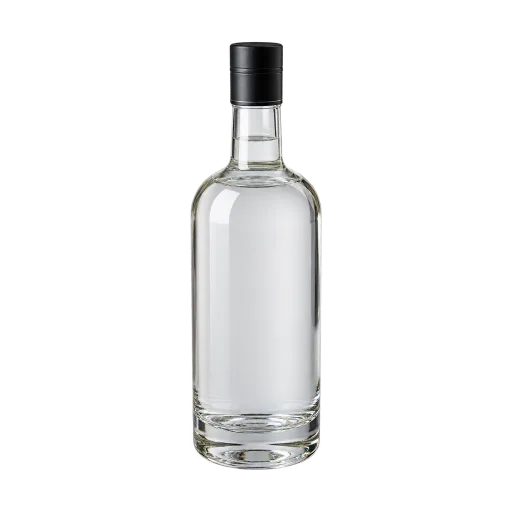
- 60 ml pisco
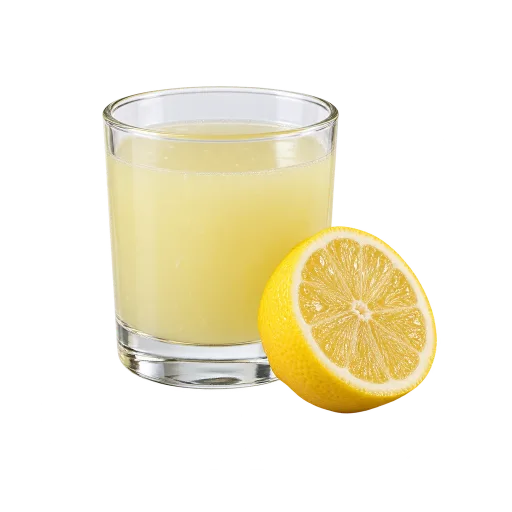
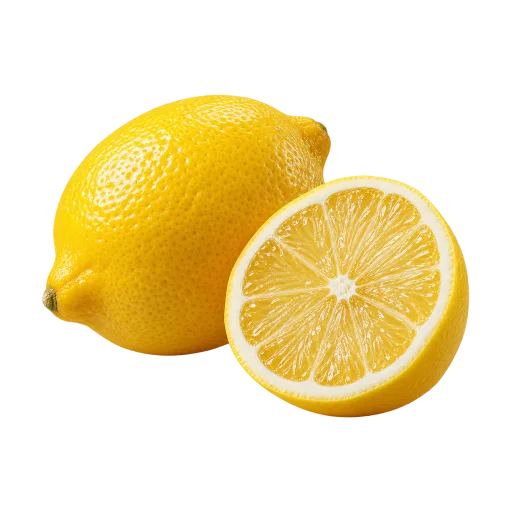
- 30 ml fresh lemon juice
- 20 ml simple syrup
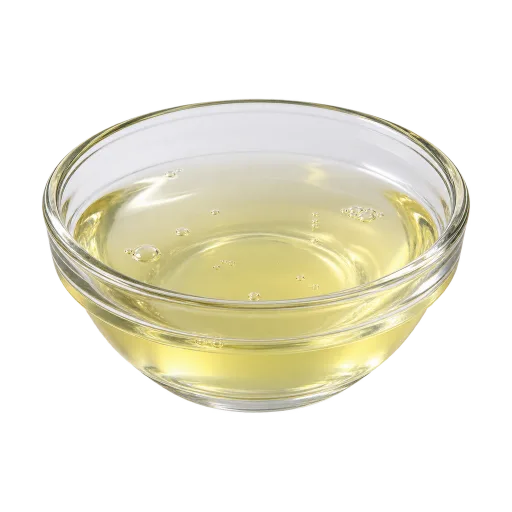
- One egg white
- Ice for shaking
- A few dashes of Amargo bitters as an aromatic finish
Use pasteurised egg or egg product for the uncooked egg component, following its equivalent-quantity and storage directions. That handling substitution follows FDA guidance for uncooked egg beverages; alcohol and citrus are not a replacement for it.
You need a jigger, shaker, strainer and chilled goblet. Measure the pisco, lemon, syrup and egg white into the shaker with ice. Close securely, shake and strain into the chilled glass. Finish with the bitters. This is the IBA's ice-shake method, not a claim that all Pisco Sour recipes use the same citrus, syrup or shake sequence.
The source does not settle which individual bottle you should prefer. Record the one you use and its strength. Keep the complete Pisco Sour card available if that is your selected version; do not mix instructions from competing recipes without noting the change.
Look beyond the sour
A Pisco Punch introduces another set of modifiers. Read each full card's quantities, yield and finishing instructions before buying supplies. “Pisco cocktail” is not one fixed ratio with a different garnish.
In a new recipe, identify what is expected from the base: grape aroma, a particular style or a named product. If you only have Cognac, you can choose a Cognac drink instead. The base-spirit guide helps distinguish their category and recipe roles.
Keep useful observations
For a bottle change, hold the recipe's quantities and method steady, record the exact bottles and write your own aroma, taste and texture observations. You do not have to find the producer's suggested floral notes. A small optional sample or a paper recipe comparison is enough to begin learning; no tasting flight is required.
Our recipe notebook keeps the source and variation together. Store the bottle according to its producer, and keep juice, egg products and other perishables under their own directions. The base spirit does not preserve every mixed preparation.
FAQs
Is pisco the same as Cognac?
No. They have distinct origins, production contexts and styles. Follow the category named by the recipe.
Does mosto verde mean the pisco tastes sweet?
It identifies a fermentation-stage choice, not a sugar-content guarantee for the finished spirit.
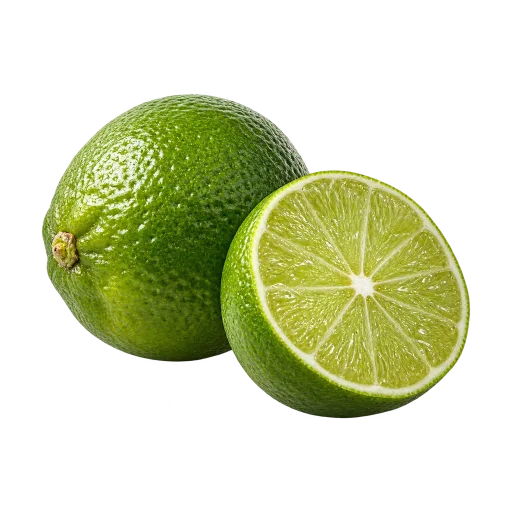
Can I use lemon or lime in a Pisco Sour?
Different recipes specify different citrus. Choose a complete version and retain its quantities and method; the IBA example above uses lemon.