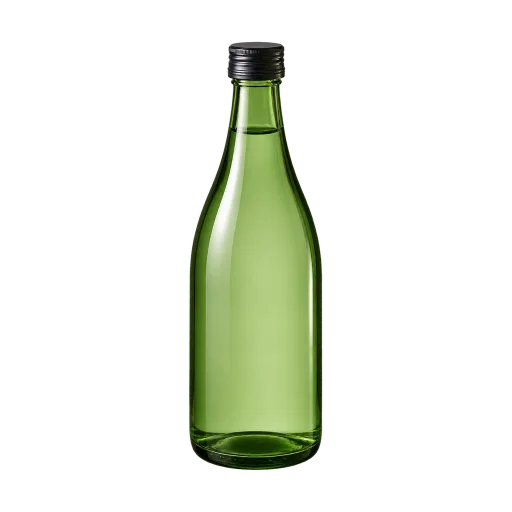
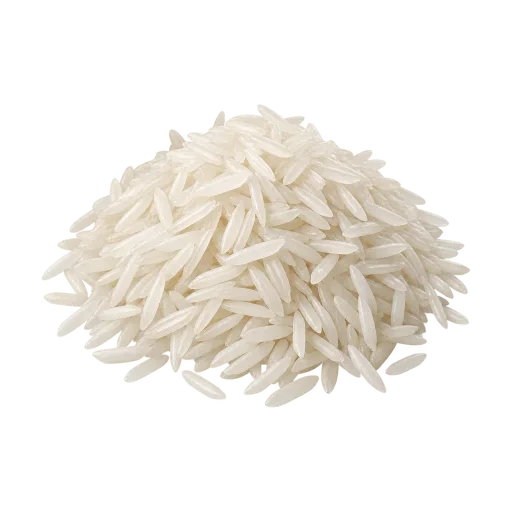
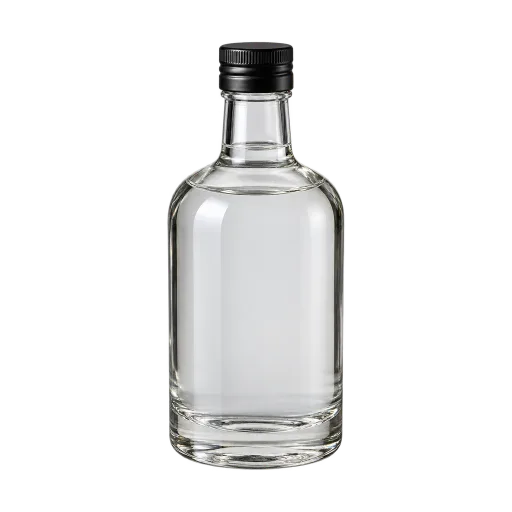
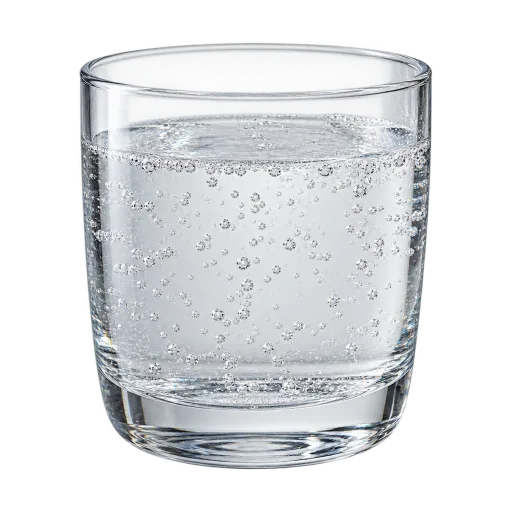
Sake is brewed, not distilled. Rice, koji and water are central to its production, and the label contains more useful information than a blanket rule that sake should be hot or cold. Begin with the actual product before choosing a serving method or cocktail.
Read the category terms separately
The Japan Sake and Shochu Makers Association explains that koji helps break rice starch into sugar. It distinguishes junmai, without added neutral spirit, from ginjo as a style associated with particular brewing and aroma characteristics. These terms can occur together; junmai ginjo is not a contradiction.
Nama refers to unpasteurised sake. It is a handling distinction, not simply a flavour adjective. Neither a rice base nor a premium price establishes a bottle's storage needs or suitability for every diet.
Storage comes before serving temperature
Japan's National Research Institute of Brewing identifies temperature, light and oxygen as important to quality. It recommends 4°C or lower storage for nama, sparkling sake and ginjo categories, while emphasising the manufacturer's directions.
Mark the opening date, close the bottle securely and protect it from light. A general storage guide is not a promise that every open bottle keeps for the same period. A sake cocktail with fruit or dairy needs its own handling record.
Choose the serve for the sake
Japanese sources describe chilled, room-temperature and warmed service for different products. Hot sake is not automatically cheap sake; cold sake is not automatically superior. Ask the producer or knowledgeable retailer for a suitable starting presentation.
If warming is specified, use appropriate equipment and temperature control. Do not boil a spirit mixture over a flame or treat a serving-temperature suggestion as a food-safety holding instruction. Offer a modest measured amount and respect the guest's preference.
A measured sake highball
Kikusui's sake-highball method uses equal parts well-chilled sake and plain, unsweetened sparkling water. Its order is ice, sparkling water, then sake, followed by three gentle stirs. The producer omits lemon and lime for this presentation.
For one modest serving, use 60 ml chilled sake and 60 ml chilled plain sparkling water, plus serving ice. These amounts are an editorial scaling of Kikusui's 1:1 ratio, not a producer-specified portion size. Set out a suitable highball glass, measure and spoon.
- Fill the glass generously with fresh serving ice, leaving room for the measured liquids.
- Add the 60 ml sparkling water first, as Kikusui directs.
- Pour the 60 ml sake gently over it.
- Stir gently three times and serve promptly, without citrus in this version.
The measured liquid total is 120 ml before ice melt. If it will not fit, choose a suitable glass rather than increasing the sake or omitting part of the water. Keep both liquids cold and open the sparkling water near service. If the drink is flat, check mixer temperature, time since opening and vigorous stirring before changing the recipe. Do not shake the fizzy mixture.
Use the sake's actual ABV and product handling directions. This is an attributed serving method and scaled example, not a claim of an Elixiary tasting test. Our Sake Day collection keeps its distinct fruit and savoury drink choices.
Compare without hiding the bottle
Record producer, expression, ABV, category terms, storage and the complete mixed recipe. If you change the sake, retain the original record and note what changed. A strong modifier may dominate a delicate bottle, but that is something to observe in the actual formula, not a reason to describe all sake as neutral.
FAQs
Is sake the same as shochu?
No. Sake is brewed; shochu is a spirit category.
Should all sake be served hot?
No. Choose a suitable temperature for the specific product.
Does junmai mean alcohol-free?
No. It concerns production; read the bottle's ABV.