Shochu is a Japanese spirit category, not another name for sake. Its raw materials, fermentation and distillation help explain the differences between bottles. Awamori belongs to the Okinawan tradition and deserves a more precise description than “rice vodka”.
Start with the category
The Japan Sake and Shochu Makers Association distinguishes three useful terms:
| Term | What the association describes |
|---|---|
| Honkaku shochu | A pot-distilled spirit made with koji and various base ingredients |
| Awamori | A type made with black koji and indica rice, associated especially with Okinawa |
| Ko-rui shochu | A column-distilled style with less flavour retained from the base |
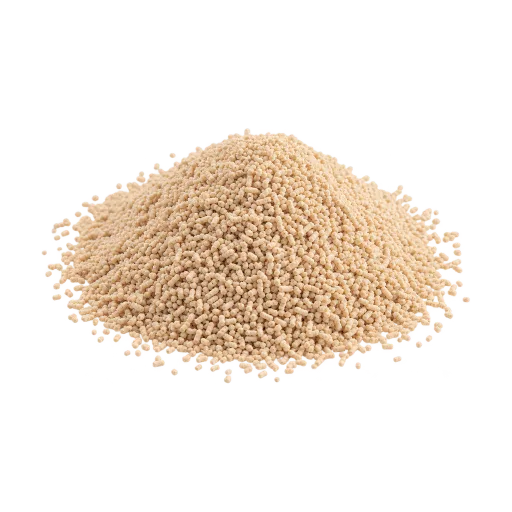
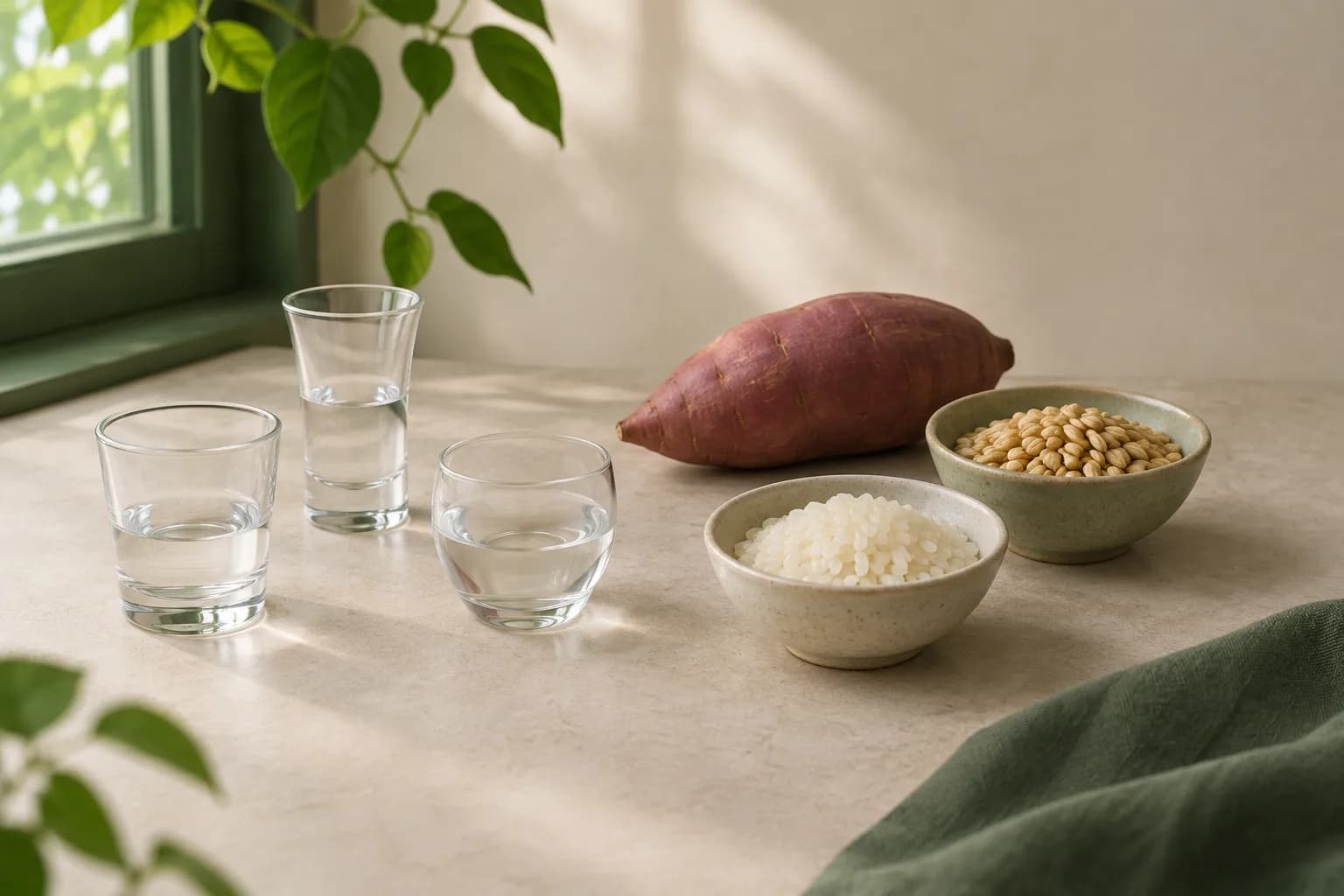
Koji helps turn starch into fermentable sugar; yeast fermentation creates alcohol before distillation. Rice, barley and sweet potato are not merely flavourings added to the same finished spirit. Check the producer's process rather than treating each as a flavoured version of one neutral bottle.
The association's website focuses mainly on honkaku shochu and awamori. Its shorthand “shochu” does not mean every sentence describes all three groups.
Read the bottle before the serve
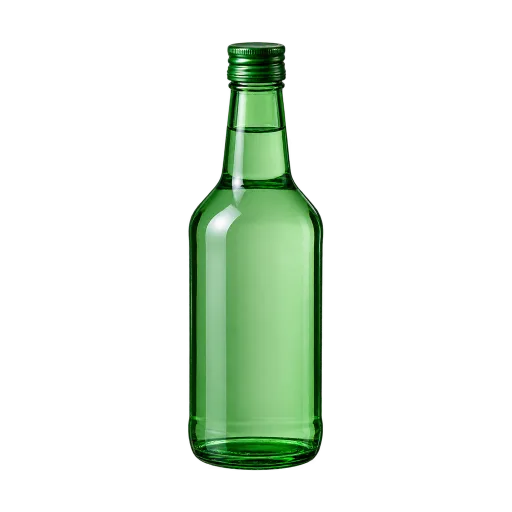
Record the product, base ingredient, ABV and any stated production or ageing information. A familiar name may have more than one expression. Colour alone does not establish whether it has aged or how strong it is.
Do not confuse shochu with Korean soju because the names look similar in English. Sake is brewed and is another category again. A recipe written for one is not a permission slip to substitute the others at the same volume.
Several serving styles, not just a highball
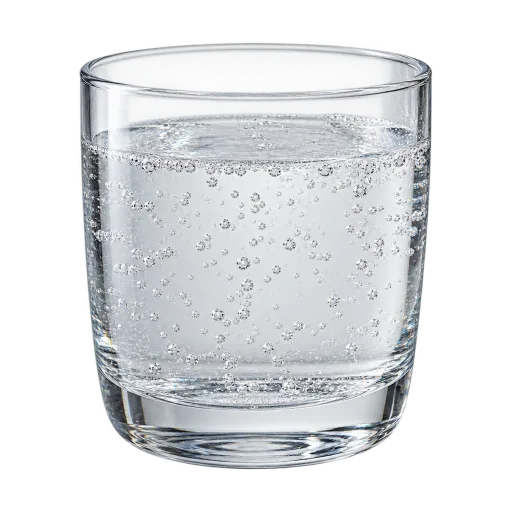
The association's serving guide describes neat service, ice, cold water, hot water, soda and unsweetened tea. Mizu-wari refers to mixing with cold water; oyu-wari to hot water; soda-wari to carbonated water. Its tea examples include oolong, green and barley tea.
Choose a complete producer serve for your bottle and keep its quantities and order. Hot-water service requires a suitable vessel and care with hot liquid. Do not heat the spirit over an open flame. A cold highball and a warm water serve are different experiences, not competing quality grades.
A measured shochu cocktail
iichiko's Koji Old Fashioned uses 2 US fl oz iichiko Saiten, 0.25 US fl oz simple syrup, 2 to 3 dashes Angostura bitters and an orange slice. The producer builds it in a glass with ice, stirs and garnishes with the slice. It is written for Saiten, not a generic bottle of shochu or an automatic substitution for Silhouette.
For one serving, set out a marked measure, spoon and a suitable glass with room for ice and the complete recipe. Use the source's ingredients and method; record the chosen bitters count and syrup product. The two measured liquids total 2.25 US fl oz before bitters and ice melt. A dash is not a fixed millilitre amount, so this is not a precise final-volume claim.
Serve promptly and follow the syrup's storage directions. If the result differs between preparations, check the bottle expression, measures, syrup and ice first. Keep the producer's drink separate from a cold-water serve or highball; they are different specifications, not stronger and weaker versions of one universal method.
A useful first lesson
Take one bottle and one serving specification. Write down its base, strength, measured spirit and mixer, water temperature where relevant, serving vessel and ice. If you choose to make it, record your own aroma and texture observations without trying to reproduce a tasting note from a label.
For a product change, retain the original recipe record. Similar ABV does not mean similar flavour, and a sweeter tea mixture is not the same preparation as unsweetened tea. The recipe notebook keeps those differences visible.
Store the bottle and the mixture separately
Follow the producer for the original spirit. Once tea, juice or another perishable ingredient is added, use that preparation's handling directions. The original bottle's shelf life does not carry over.
FAQs
Is awamori the same as sake?
No. Awamori is distilled; sake is brewed.
Is all shochu made from sweet potato?
No. Several base ingredients and production styles exist.
Must shochu be served cold?
No. Japanese sources describe several temperatures and mixers. Choose a suitable serve for the bottle.