
Tequila and mezcal do not exhaust Mexico's regional spirit traditions. Names such as raicilla and bacanora point to particular places and production contexts. Sotol belongs in the conversation because it is often confused with agave spirits, but its source plant is different.
Our tequila and mezcal guide remains the starting point for those two categories. This is a regional-reading lesson, rather than a new Margarita recipe list.
Separate the names before comparing flavours
Raicilla's regional map, bacanora's Sonoran identity and sotol's plant source are separate questions. Jalisco's IIEG geographic study, Sonora's bacanora legislation and the published sotol specification give each a specific starting point. These documents do not establish how every bottle tastes.
| Name to investigate | First questions |
|---|---|
| Raicilla | Which producer, location, plant and production method? |
| Bacanora | Which Sonoran producer and expression? |
| Sotol | Which Dasylirion source and producer, rather than which agave? |
Do not call them all smoky tequila alternatives. Smoke, sweetness and texture need evidence from the actual bottle and process, not a category stereotype.
Raicilla and bacanora are specific starting points
The IIEG study, published in May 2022, maps raicilla's protected area across 16 municipalities in Jalisco and Bahía de Banderas in Nayarit. It describes the coastal and mountain setting, so “from Jalisco” is still a broad origin description. Record the municipality and producer when available. This is the study's geographic account, not a complete current certification checklist.
Sonora's legislative account connects the cultivation of Agave angustifolia with bacanora production. Keep the plant name and Sonoran provenance together. The federal bacanora standards catalogue is a starting point for checking the applicable specification; a reading lesson should not certify a bottle from a retailer's description.
For raicilla, ask which locality and agave the producer names rather than assuming one plant or one cooking method across the category. For bacanora, retain the Sonoran producer and expression instead of reducing the label to “a tequila alternative”. A regional designation should prompt more precise provenance, not replace it.
Why sotol differs
The published Mexican sotol specification identifies its plant material as Dasylirion. UNAM's botanical entry for sotol also identifies a Dasylirion species and its traditional distilled use. Dasylirion is a different genus from Agave. Similar-looking rosettes and a shared desert setting do not make the plants interchangeable.
Neither botanical entry nor a photograph identifies which species went into a particular bottle. Retain the producer's actual declaration and check the relevant sourcing requirements separately.
This also makes blanket sustainability claims inappropriate. “Wild”, “small batch” or “traditional” on a label does not by itself establish responsible harvesting. Ask for the producer's sourcing information and keep any claim specific to the evidence supplied.
Make a provenance record
Choose one bottle you actually plan to study. Record:
- Full name, producer and expression.
- Location and any designation stated on the label.
- Plant species where declared, preserving its spelling.
- Cooking, fermentation and distillation information supplied by the producer.
- ABV, bottle size and storage directions.
- The source and date of each detail.
Leave missing information blank. Do not infer a species from a bottle illustration or assign a production method from colour. If a retailer and producer disagree, resolve the discrepancy before publishing the claim.
Service before substitution
A modest neat serve recommended by the producer can be a more useful first lesson than a cocktail that masks the bottle. Ask the guest's preference and make participation optional. Water belongs alongside the drink.
For mixed service, use a product-led formula with measured quantities. A tequila recipe can provide a structural comparison, but replacing the base creates a variation. Name the actual spirit on the menu and retain its producer information. Do not label a raicilla drink “mezcal” merely because that term is more familiar to the reader.
One named sotol and its measured Paloma
Back Bar Project's Sotol Por Siempre account identifies the Jacquez family, who run Sotol Don Celso, as the producers it works with. It names Dasylirion wheeleri and a 45% ABV expression from Chihuahua. These are details of one product and producer relationship, not a description of every sotol maker.
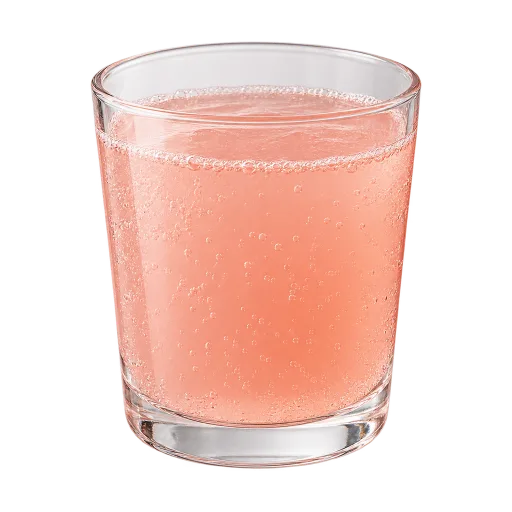
Its Sotol Paloma recipe card uses 1.5 US fl oz Sotol Por Siempre, 0.75 US fl oz Giffard Pamplemousse, 0.75 US fl oz fresh lime juice and 3 US fl oz grapefruit soda. For one drink, measure the first three into a shaker with ice, shake and strain into a Collins glass over fresh ice. Add the measured soda, stir briefly and garnish with a grapefruit slice. Keep the soda out of the shaker.
Set out a jigger, shaker, strainer, spoon and glass before starting. The recipe totals 6 US fl oz before ice dilution. Retain the actual liqueur and soda labels, handle the fresh juice under its storage instructions and serve promptly. A flat result calls for checking cold, freshly opened soda and gentle service; it does not call for extra sotol.
The drink is a documented producer-portfolio application, not a traditional serve claimed for all Chihuahua or a generic tequila substitution. Raicilla and bacanora keep their own products and source records.
Give the people as much space as the bottle
Regional education should identify producers and their communities where supported, attribute explanations and avoid origin legends presented as fact. One brand's story cannot stand for an entire region. A useful next lesson follows a specific producer and method in depth rather than adding another country keyword to a generic page.
FAQs
Is sotol made from agave?
The source plant is Dasylirion, a different genus.
Are all regional Mexican spirits smoky?
Do not assume that. Check the specific product and production.
Does a protected origin guarantee sustainability?
It does not establish every environmental claim. Those need separate sourcing evidence.