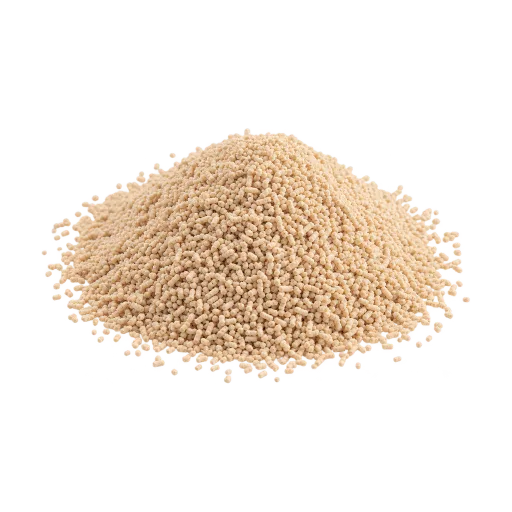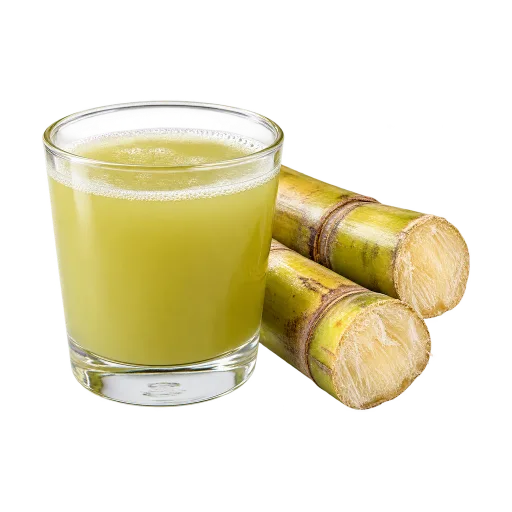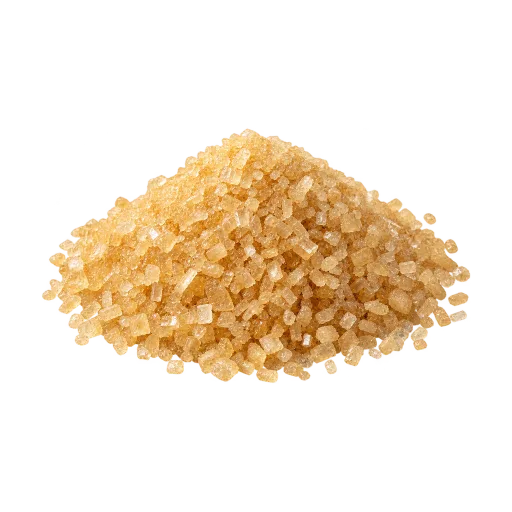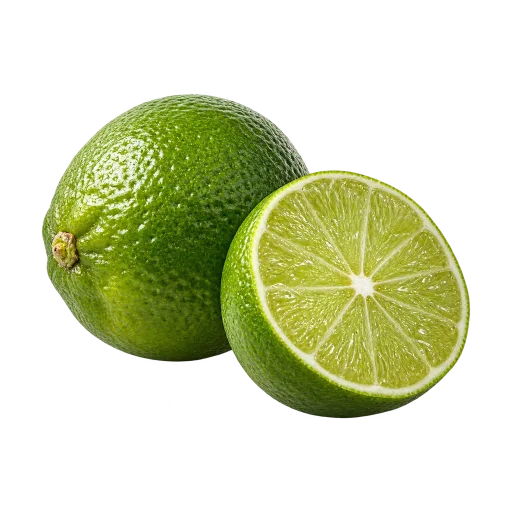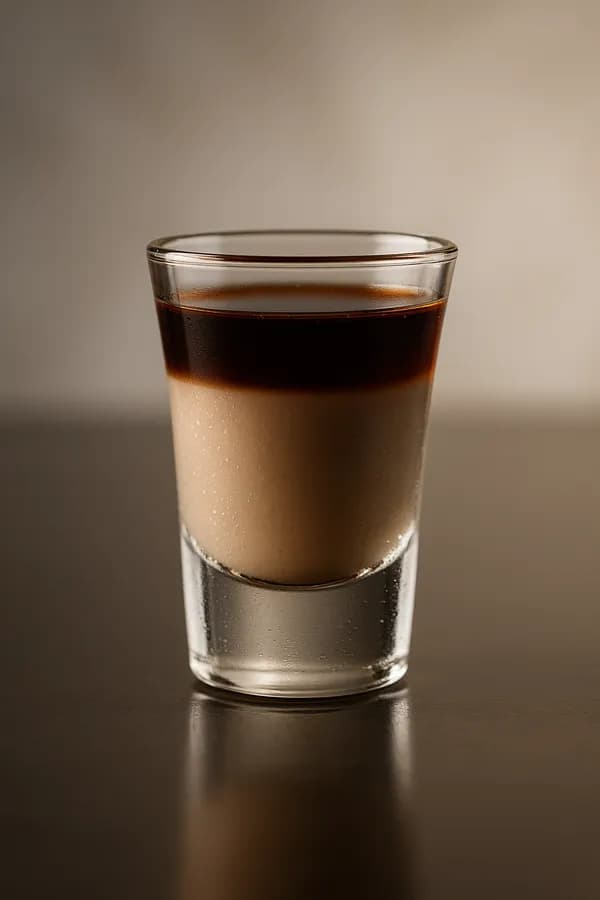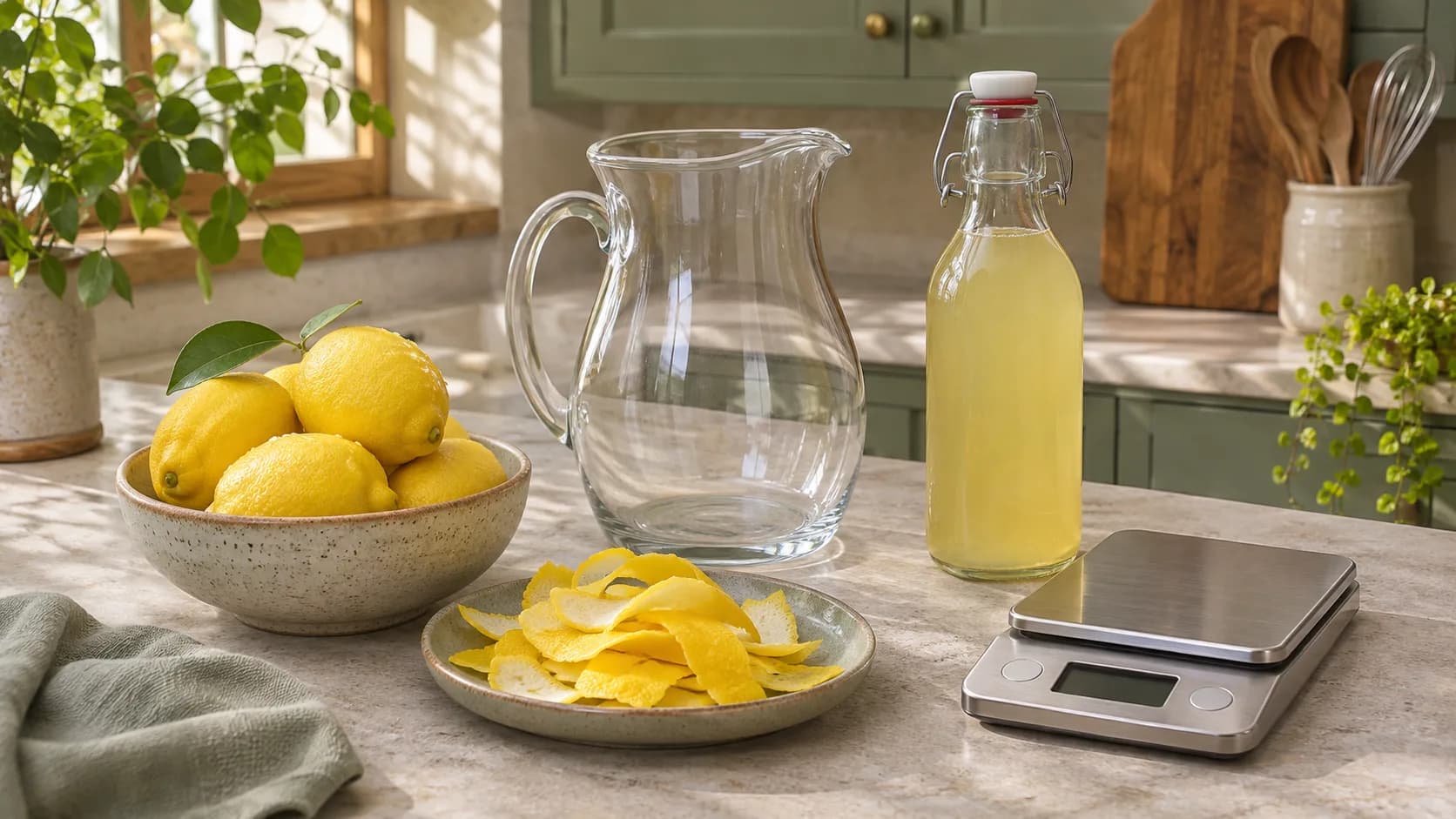
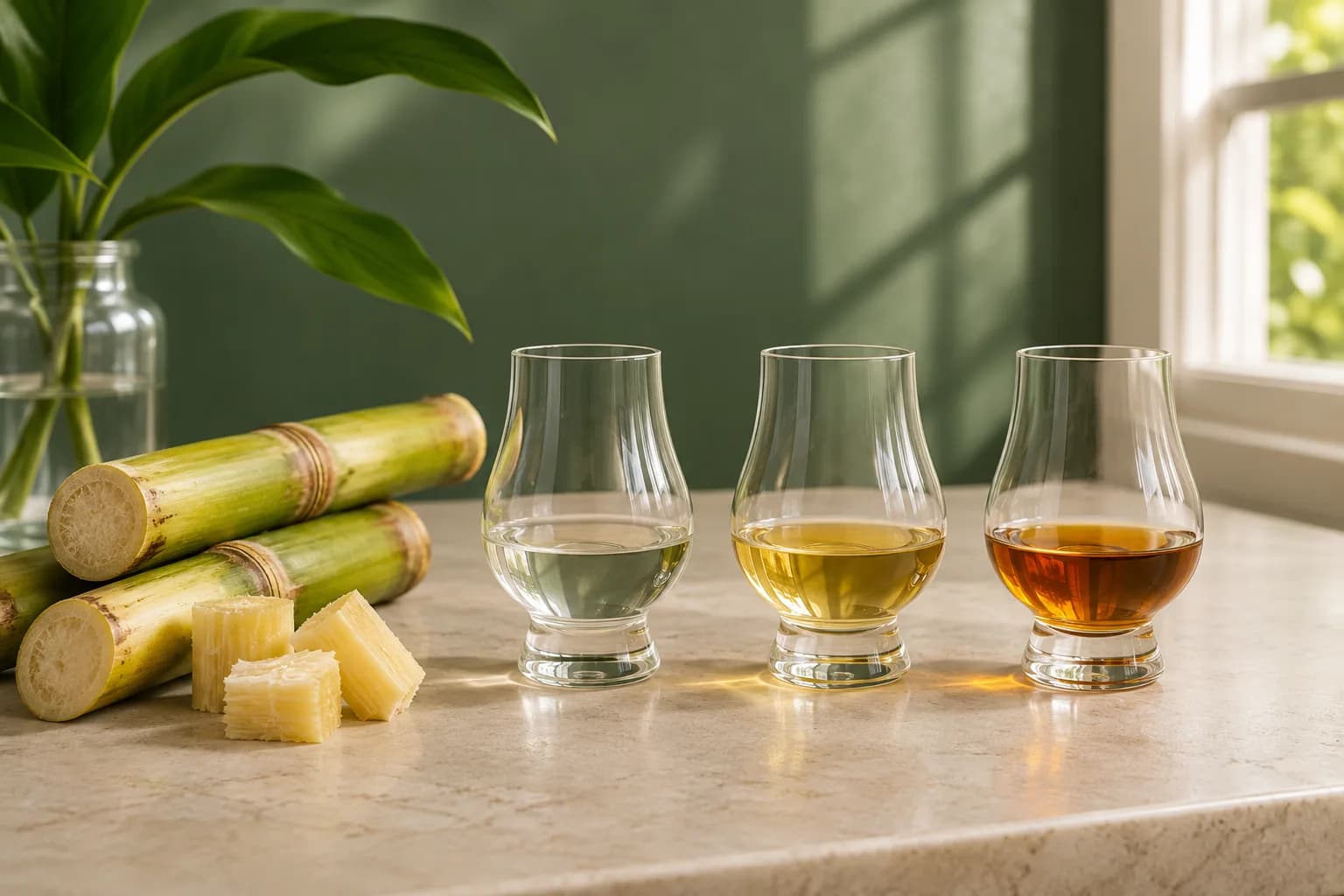
“Caribbean rum” names a large field, not one flavour. A clear Jamaican overproof, a Barbadian blend and a Martinique agricole can differ in raw material, production and strength. Even those three examples do not represent everything made in their own places.
Start with the general rum guide for recipe roles. This lesson follows named producers so the regional details stay attached to evidence.
Jamaica: a clear rum can be high-strength and distinctive
Worthy Park's Rum-Bar White Overproof is a named example of unaged molasses rum with pot distillation and 63% ABV. Its clarity tells you neither that it is neutral nor that it can replace a lower-strength white rum at the same pour.
Record the exact expression. “Jamaican rum” on a shopping list can still leave raw material, age, blend and strength unresolved. One producer example is a starting point for research, not a national flavour rule.
Barbados: read the blend and process
Mount Gay's FAQ describes molasses fermented with water and yeast, followed by column and/or pot distillation. The expression matters: do not turn a general producer description into the assertion that every bottle has the same pot-to-column blend or maturation.
A numbered brand or expression name is not automatically an age statement. Copy the precise label wording rather than supplying an age from memory.
Martinique: agricole is about more than colour
Clément White is described as an AOC agricole from pure sugarcane juice. The producer lists more than one bottled strength and suggests Ti'Punch with cane sugar or syrup and lime. Check which strength you have before choosing a complete serving recipe.
Not every rum from Martinique is automatically agricole. Our Mai Tai card, for example, names a Martinique molasses rhum. Country and raw-material category answer different questions.
A measured Ti Punch from a named source
Campari Academy's Maison La Mauny Ti Punch lists 60 ml white rhum at 50% ABV, 20 ml cane-sugar syrup and one lime wedge. Its page also gives ranges of 40 to 60 ml rhum and 10 to 20 ml syrup. Use the listed 60 ml and 20 ml amounts for this example, rather than silently choosing a point within those ranges.
For one serving, use a tumbler, a jigger, a spoon and a washed lime cut into wedges. Add the measured rhum, syrup and the juice squeezed from one wedge to the glass. Stir and garnish with that same wedge, following the source. The recipe does not call for ice or prescribe a stirring time. Its liquid quantities total 80 ml before the variable wedge juice.
Serve promptly and retain the actual rhum and syrup product details. Follow the syrup's storage instructions. If the drink differs from an earlier serve, check the syrup specification, measures and lime wedge before changing the rum. This is one producer-led formula, not a universal Ti Punch ratio or a rule for every Caribbean rum.
Compare the evidence on paper
| Field | What to write |
|---|---|
| Place and producer | The actual distillery or brand and expression |
| Raw material | Juice, molasses or other stated source |
| Fermentation and still | Only the details the producer supplies |
| Maturation | Exact age or cask wording, without inference from colour |
| Strength | ABV of the bottle in hand |
| Use | A complete local serve or cocktail specification |
WIRSPA's rum-making introduction provides a regional producer-association starting point. It should not erase the differences in local rules, language and working practices.
Keep service connected to the recipe
A Daiquiri, Ti'Punch and rum highball illustrate different structures. Making all three does not isolate rum style: citrus, sugar, water and preparation change too. To compare a bottle change, retain one complete formula and record what actually differs.
Do not force every rum lesson into commercial tiki imagery. Caribbean production and drinking traditions have their own histories, including labour and colonial contexts that need careful sources and local voices. Specific producer attribution is better than calling a bottle “island-style”.
Store original bottles under their directions. A rum punch with fruit or other perishables needs its own handling record and measured serving size.
FAQs
Does dark rum mean older rum?
Colour alone does not establish age. Read the statement and production information.
Is all Martinique rum agricole?
Do not assume that; check the raw material and designation.
Can overproof rum replace an ordinary-strength bottle?
Use a complete recipe written for that strength rather than guessing a smaller pour.