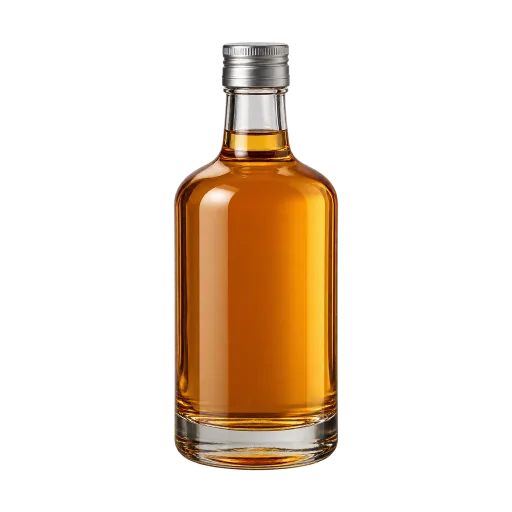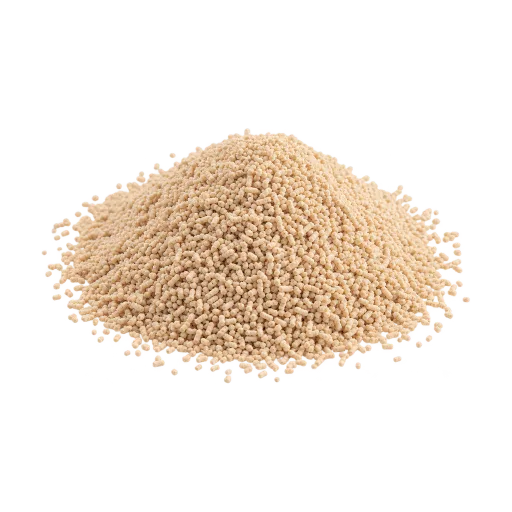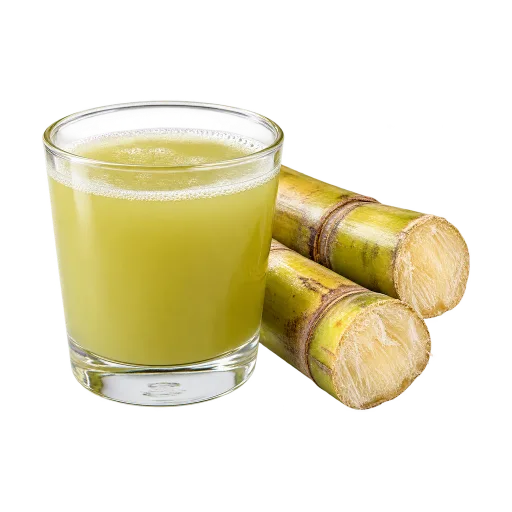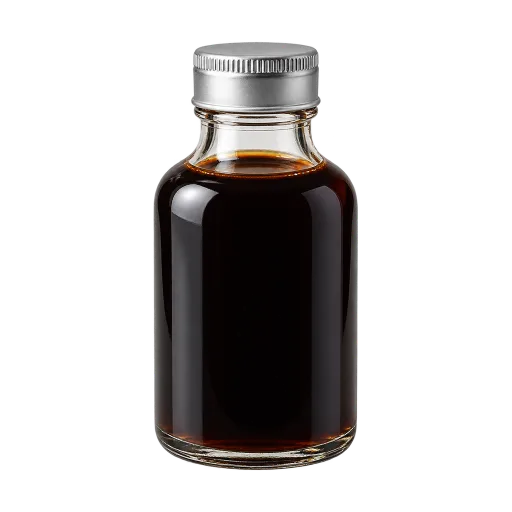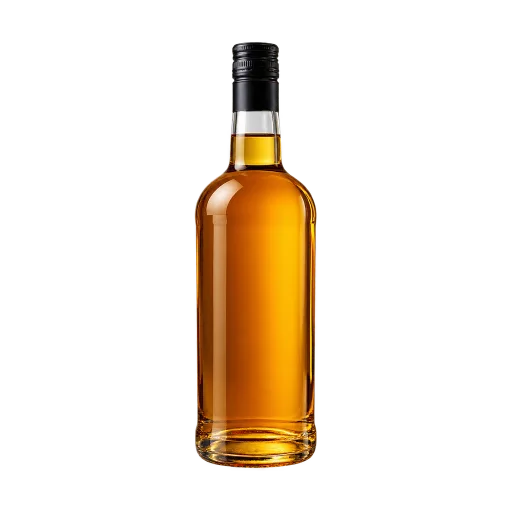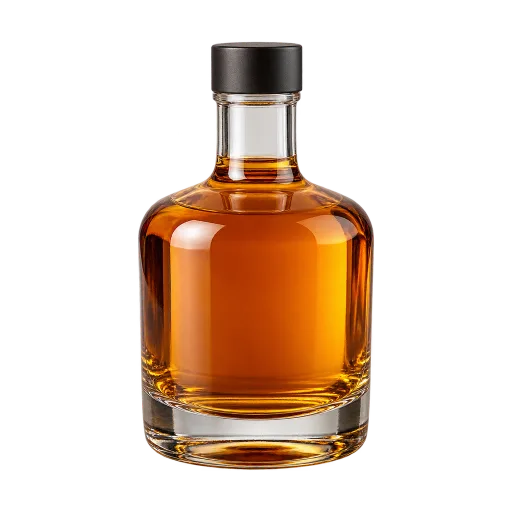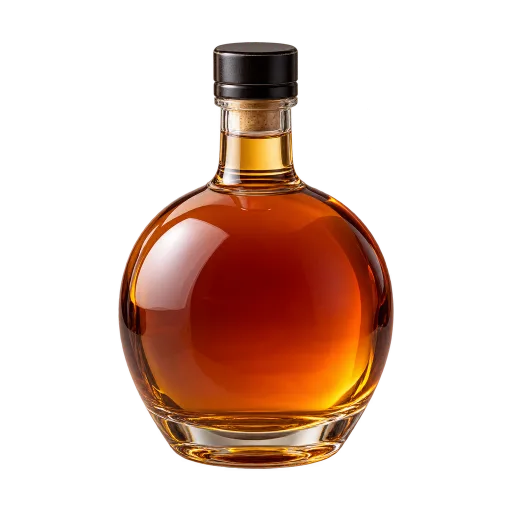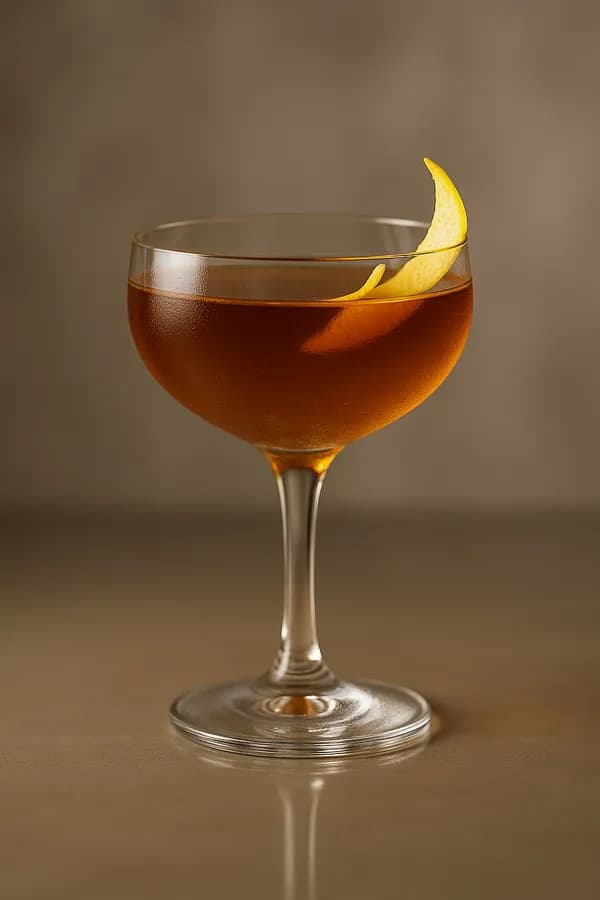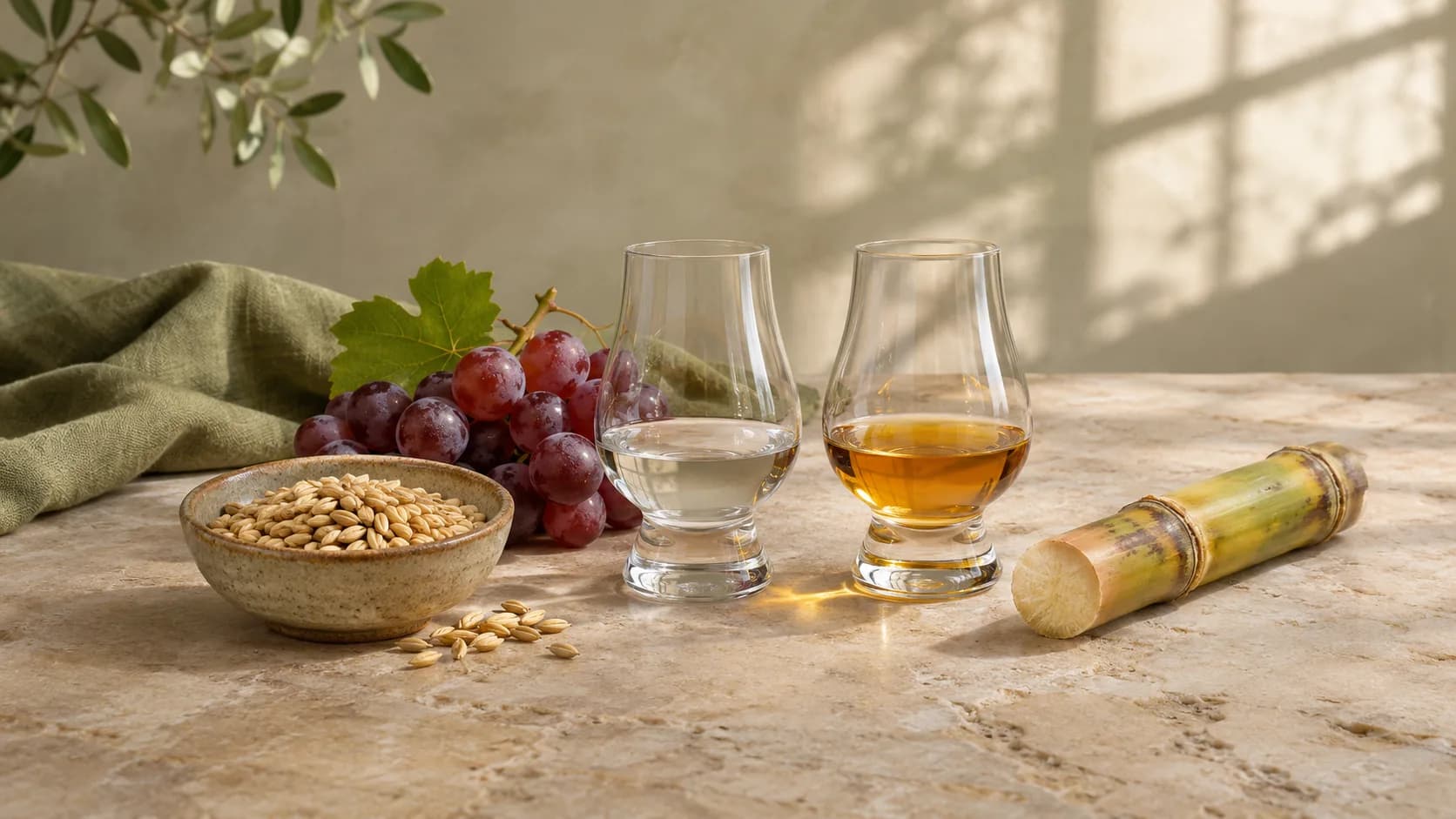
An aged rum can be clear. Two spirits made from grapes can behave differently in the same cocktail. Raw material matters, but it is only the beginning of the production story.
Read a spirit through five questions: what was fermented, how was it distilled, what happened afterwards, whether components were blended and what strength reached the bottle. That gives you more useful information than a single colour or a claim of premium quality.
Fermentation creates the alcohol
Yeast converts fermentable sugars into alcohol and other fermentation products. A sugary raw material and a starchy grain therefore need different preparation before fermentation. Distillation comes later; it does not turn plain water into alcohol.
WSET's published introductory spirits specification distinguishes creating alcohol through fermentation from selecting and concentrating components through distillation. It is an introductory explanation, not a home-distilling procedure.
| Starting point | A useful question |
|---|---|
| Grape or other fruit material | Which fruit and which fermented material does the category specify? |
| Grain | How is its starch made available as fermentable sugar? |
| Sugarcane juice, syrup or molasses | Which of these is actually used? |
| Agave | Which species and preparation does the named spirit use? |
Do not turn the table into a claim that every spirit in a broad family uses the same recipe. The base-spirit guide connects categories with existing cocktails.
Distillation separates and concentrates
Distillation uses differences in how components enter vapour and are condensed. The liquid is a mixture: it is misleading to imagine that all the alcohol leaves first and all the water stays behind untouched.
Still design and operation affect which components reach the collected spirit. E&A Scheer's production explanation describes pot and column distillation in rum, including batch operation and the role of a condenser. A pot still is not automatically a quality certificate, and a column still does not mean the result must be tasteless.
For a bottle description, record the stated still type when it is provided. If it is not, leave the field unknown. Do not infer a production method from the bottle shape, price or colour.
Maturation is more than making a spirit brown
Some spirits spend time in wood; others do not. The wood, previous contents, vessel, conditions and time can affect the result. Category-specific rules decide what may be called a particular product, so an age statement from one family should not be transferred to another.
BACARDÍ's production account describes its own fermentation, distillation, filtration, ageing and blending choices. Use it as evidence about that producer, not a universal recipe for all rum. In particular, filtration means appearance alone is an unreliable account of what happened before bottling.
The practical consequence is simple: read the producer's expression and production details. A clear spirit and a wood-aged one can differ in more ways than colour, while two similarly coloured spirits need not share an age or process.
Blending is a production choice
A blender can combine different components to achieve an intended expression. That is separate from adding water to reach a bottling strength. Neither step by itself tells you whether you will prefer the finished bottle in a cocktail.
Avoid treating “single” or “blended” as a standalone score. Those words need their category context. Keep any precise legal definition with its current applicable source rather than importing whiskey terminology into brandy or rum.
Read one bottle on paper
Choose a bottle you already own and use its label and producer's page to complete this record:
| Field | Write down |
|---|---|
| Exact expression | Producer and full product name |
| Raw material | What the source states, or unknown |
| Fermentation/distillation | Specific disclosed details, not a guessed house process |
| Maturation/finishing | Stated vessel, time or finish with its exact wording |
| Blend information | What is actually disclosed |
| Bottle ABV | The percentage on the bottle you have |
| Intended use | One complete recipe that names this style |
This is a suggested reading exercise. It requires no extra drinking and does not recreate a production test. If marketing text supplies only “smooth” and “handcrafted,” record that the technical detail remains unavailable.
Bring the information back to a drink
Suppose a recipe asks for a particular rum at a specified strength. A replacement from the same raw material can still differ in fermentation, distillation, wood influence and ABV. Keep those as separate questions before making the substitution.
The rum guide helps match styles to recipes, and the whiskey guide keeps that category's detailed comparisons together. Start with the complete recipe rather than trying to calculate its taste from a still type.
FAQs
Does distillation create alcohol?
Fermentation creates it. Distillation selects and concentrates components from an alcoholic starting liquid.
Does a darker spirit mean it is older?
Colour alone cannot establish age or the full production history. Read the specific label and producer information.
Is a pot-still spirit always better for cocktails?
No universal ranking follows from the equipment name. The complete expression, strength and intended recipe matter.