Beyond Tequila and Mezcal: Regional Spirits and Sotol
Read regional names such as raicilla and bacanora carefully, understand why sotol is different, and record producer and plant information without colour myths.
Spirits, liqueurs, modifiers, fresh juices, syrups. The building blocks every bartender needs to know cold.
Guides to what goes in the glass: base spirits, liqueurs, vermouth and amaro, syrups, bitters and mixers. Many are side-by-side comparisons, such as Cointreau vs triple sec or sweet vs dry vermouth, for when a recipe names a bottle you do not have. Start with the spirits overview, then the guides to simple syrups and bitters.
Start with: Spirits overview, Simple syrups, Bitters, Cointreau vs triple sec

Read regional names such as raicilla and bacanora carefully, understand why sotol is different, and record producer and plant information without colour myths.

Distinguish absinthe, pastis and other anise drinks; understand full pours, rinses, water dilution and clouding without flaming service.

Distinguish Batavia arrack from Sri Lankan coconut-sap arrack and anise arak, with producer examples, label checks and a measured ginger serve.

Learn why baijiu has distinct aroma styles, read product-specific production and strength, and plan respectful service without treating it as one flavour.

Choose brandy for cocktails by understanding Cognac, Armagnac, Calvados and other fruit spirits, with label checks and a complete Sidecar reference.

Learn how to choose cachaça by expression, strength and wood information, with complete Caipirinha and Rabo de Galo recipes and clear substitution limits.

Compare named Jamaican, Barbadian and Martinique producer examples, preserve local terminology and choose rum for a recipe without colour shortcuts.

Choose wine, sparkling wine, beer and cider by the recipe, keep bubbles and labels in mind, and separate bottle service from trained draught-system work.

Understand fermented mixers such as kombucha, choose commercial products, check changing alcohol content and separate mixing from fermentation recipes.

Separate genever from aquavit through named producers, learn label and serving checks, and avoid treating either as generic flavoured gin.

Understand fermentation, distillation, maturation, blending and bottling strength, then read a bottle through a practical production-information checklist.

Read Peruvian and Chilean pisco styles, check the actual bottle and follow a complete Pisco Sour without treating every grape spirit as interchangeable.

Understand sake, junmai, ginjo and nama terms through Japanese sources, choose storage and serving carefully, and read a documented mixed application.

Understand honkaku shochu, awamori and ko-rui through Japanese sources, then read labels and choose a serving style without confusing them with sake.

Read soju styles and bottle strengths through Korean sources, distinguish them from shochu, and plan service without assuming every bottle is identical.

Choose wine-based cocktail modifiers by style, sweetness and bitterness, with a bottle-reading checklist, documented serves and storage checks.

Compare lassi, chaas and ayran by sweetness, thickness and seasoning, then choose a recipe for the drink you want.

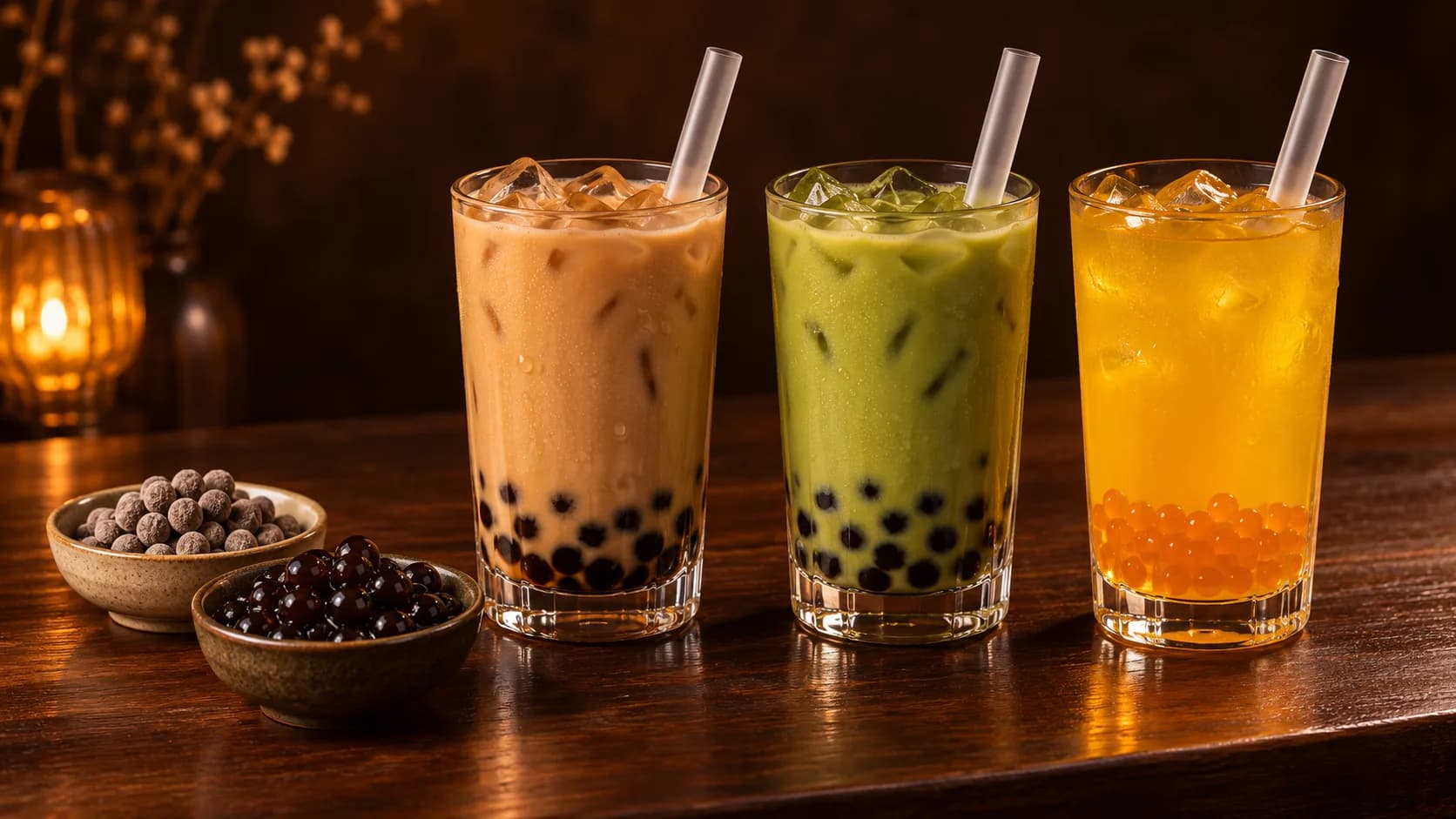
See what bubble tea is made of, how tapioca differs from popping boba, and how to choose tea, milk, sweetener and toppings.

Find out what dirty soda is, which sodas and creamers work together, and where to start with measured recipes.

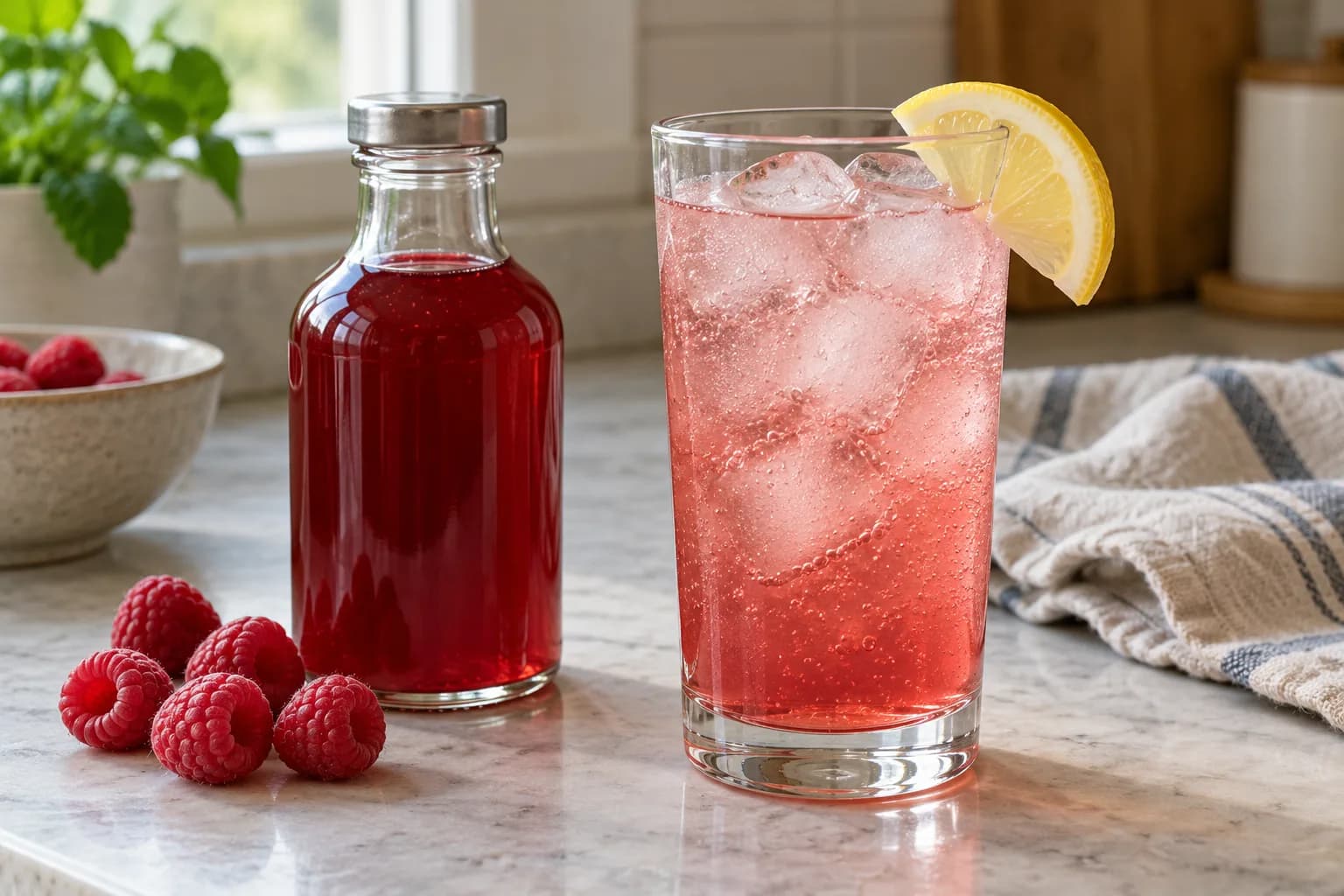
Understand vinegar-based shrub mixers and use complete producer recipes for shrub soda and a whisky highball, with exact measures and storage boundaries.

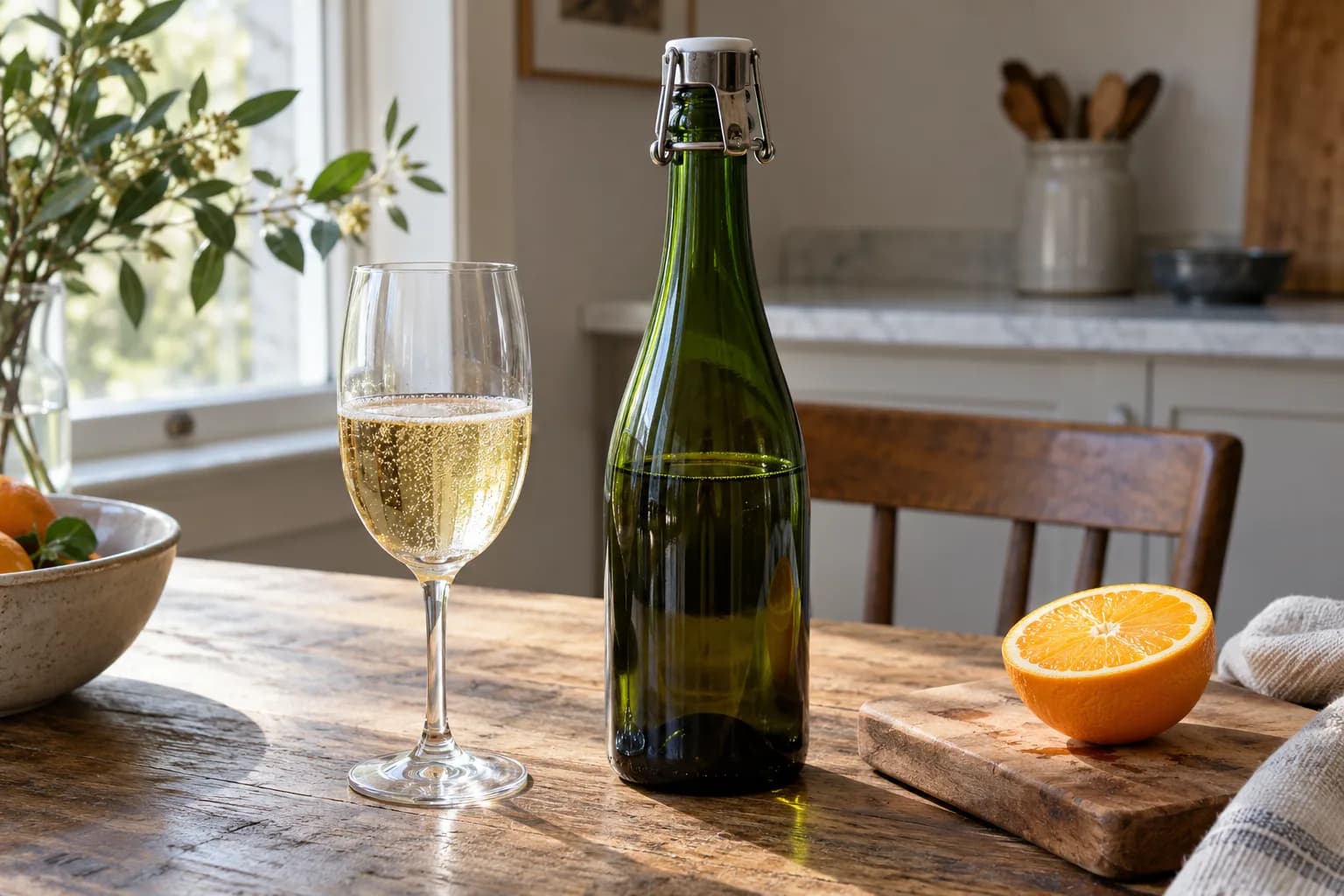
Plan a drink from the sparkling wine left in your bottle, with exact Mimosa and Aperol Spritz measures, remaining-volume arithmetic and stopper guidance.

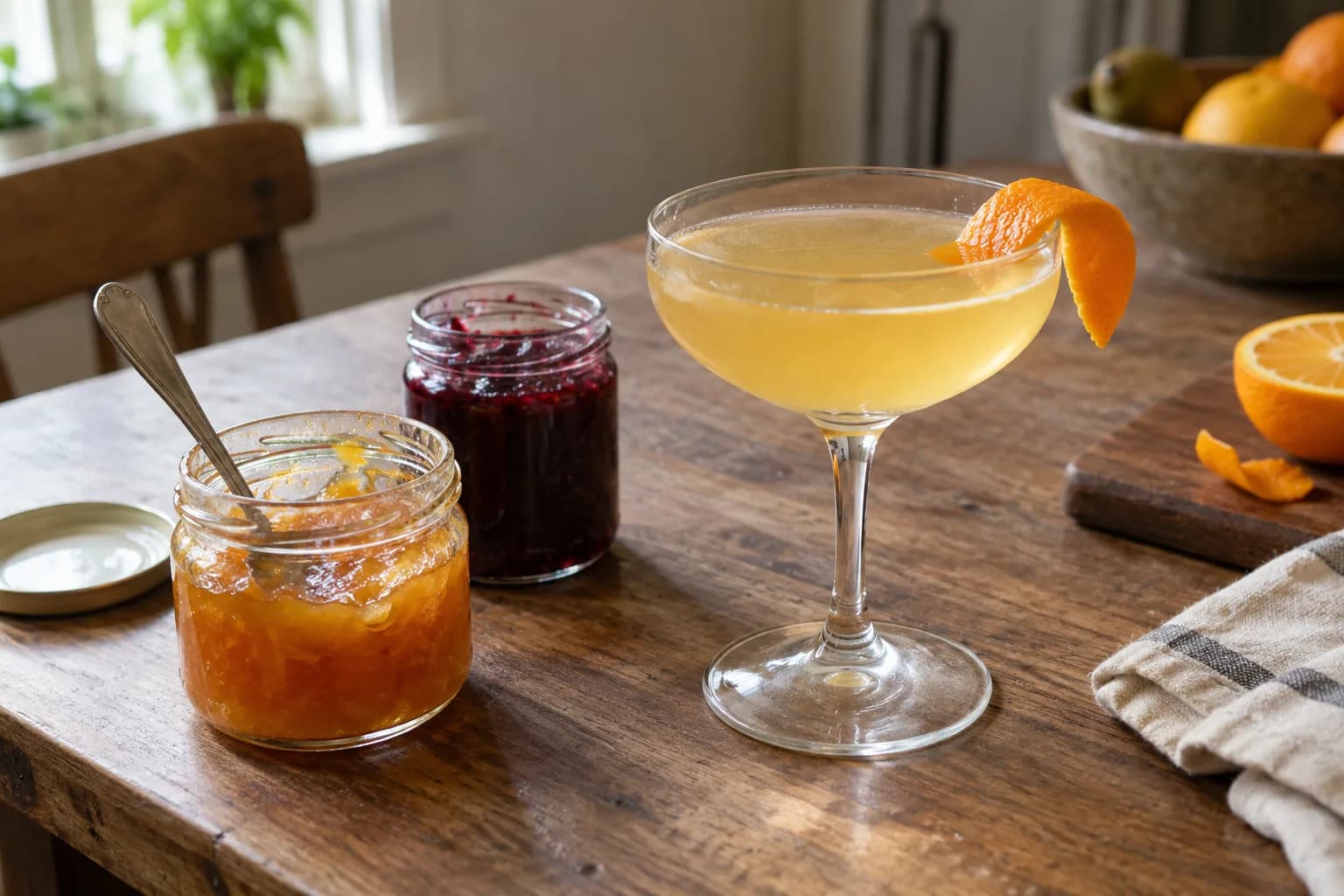
Use raspberry preserves in the publisher’s Cosmonaut or orange marmalade in our Breakfast Martini. Keep each recipe’s original spoon measures.

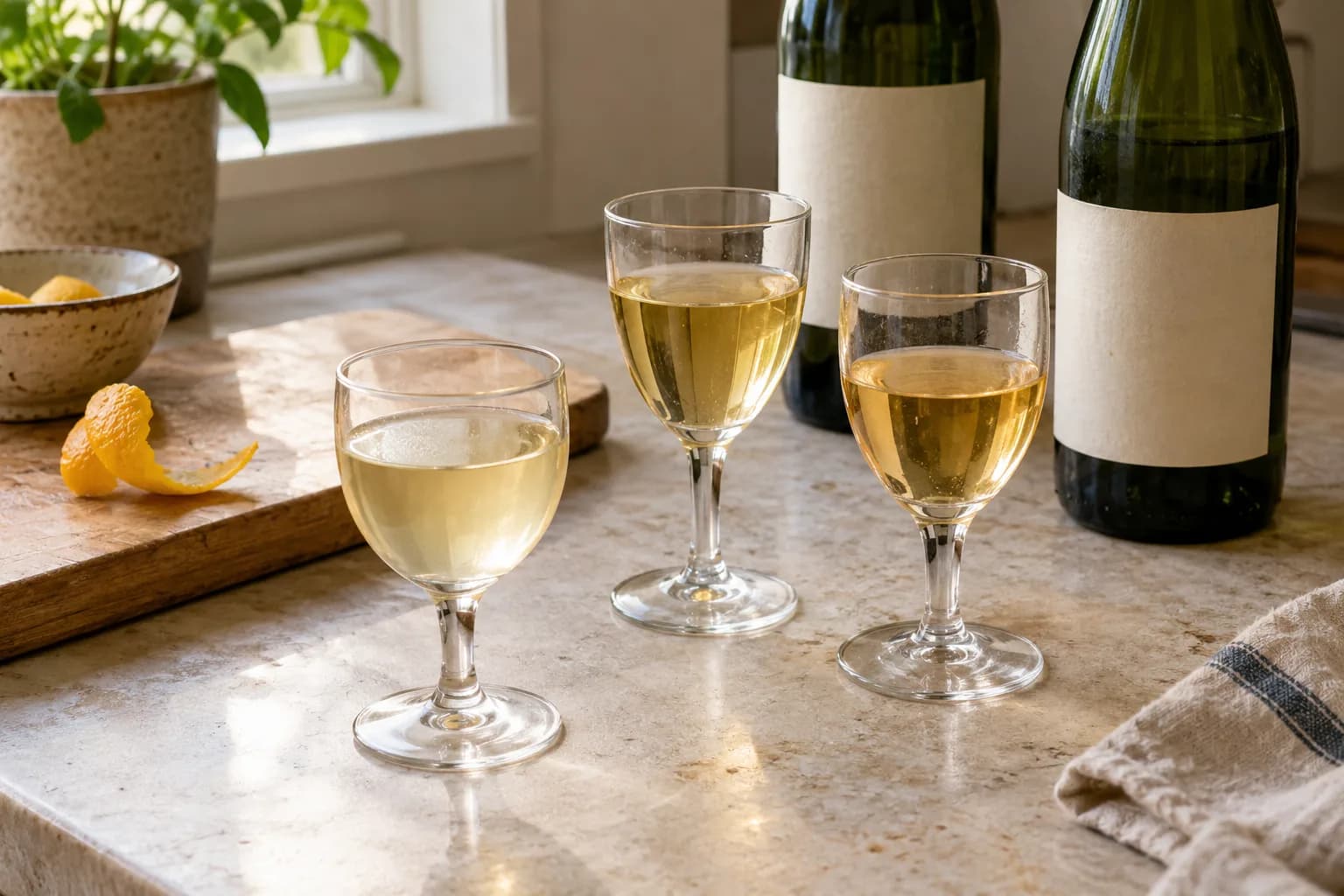
Compare Lillet Blanc, dry vermouth and bianco vermouth using producer information. Make the existing Vesper with its named ingredient.

Make two producer-sourced port cocktails beyond port and tonic, with white-port and LBV formulas and a separate tawny option.

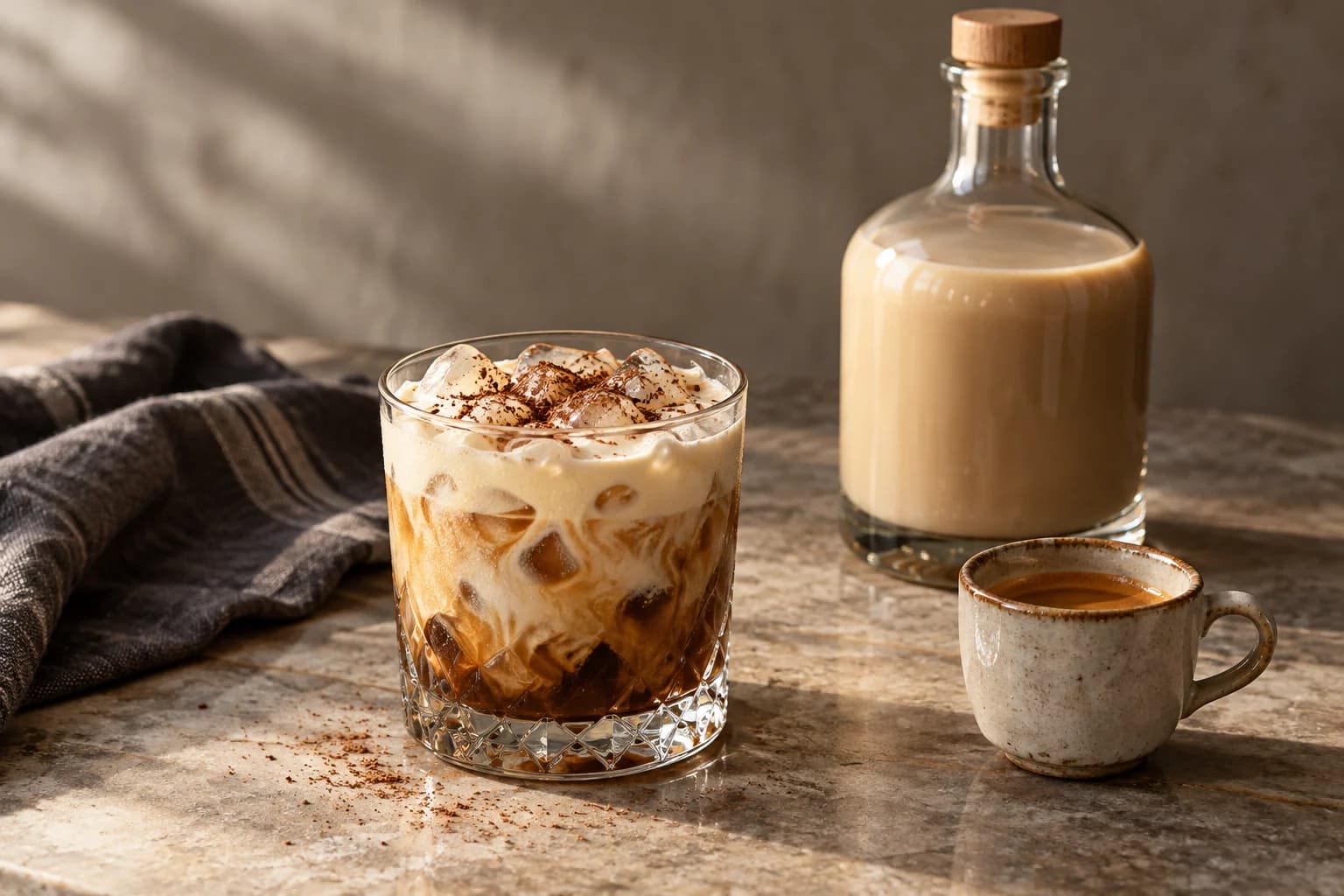
Read coffee-liqueur product labels and market-specific strengths, then make a measured Black Russian or White Russian.

Use Bénédictine D.O.M. in a Bobby Burns or our Vieux Carré. Compare the ingredients you need and preserve each card’s measures.

Choose the sherry style your cocktail needs. Compare fino, amontillado, oloroso and PX, then make an Adonis with the existing measured recipe.

Use elderflower liqueur in a Hugo Spritz, Elderflower French 75 or St-Germain Margarita. Choose by the wine, gin or tequila you already own.

Choose a first amaro by flavour and serving style. Compare Averna, Fernet-Branca and Nonino, with producer-backed suggestions for ice, citrus and mixers.

Use a documented Montenegro variation when a Paper Plane calls for Nonino. Compare complete recipes, keep their measures and avoid unsupported swaps.

Compare maraschino, cherry liqueur and cherry-brandy labels, then follow the measured Aviation or Singapore Sling recipe.

Compare falernum and allspice dram using named product strengths and the importer’s Velvet Buckaneer recipe, which uses both.

Compare grenadine, pomegranate juice and pomegranate molasses for cocktails, with producer examples and the measured grenadine in a Tequila Sunrise.

Compare orgeat and almond syrup by ingredients, recipe use and product labels. Check what a Mai Tai calls for before buying or substituting a bottle.

Use amaretto in a Godfather, Godmother, French Connection or Morgenthaler sour. Compare spirit choices, measured ingredients and preparation.

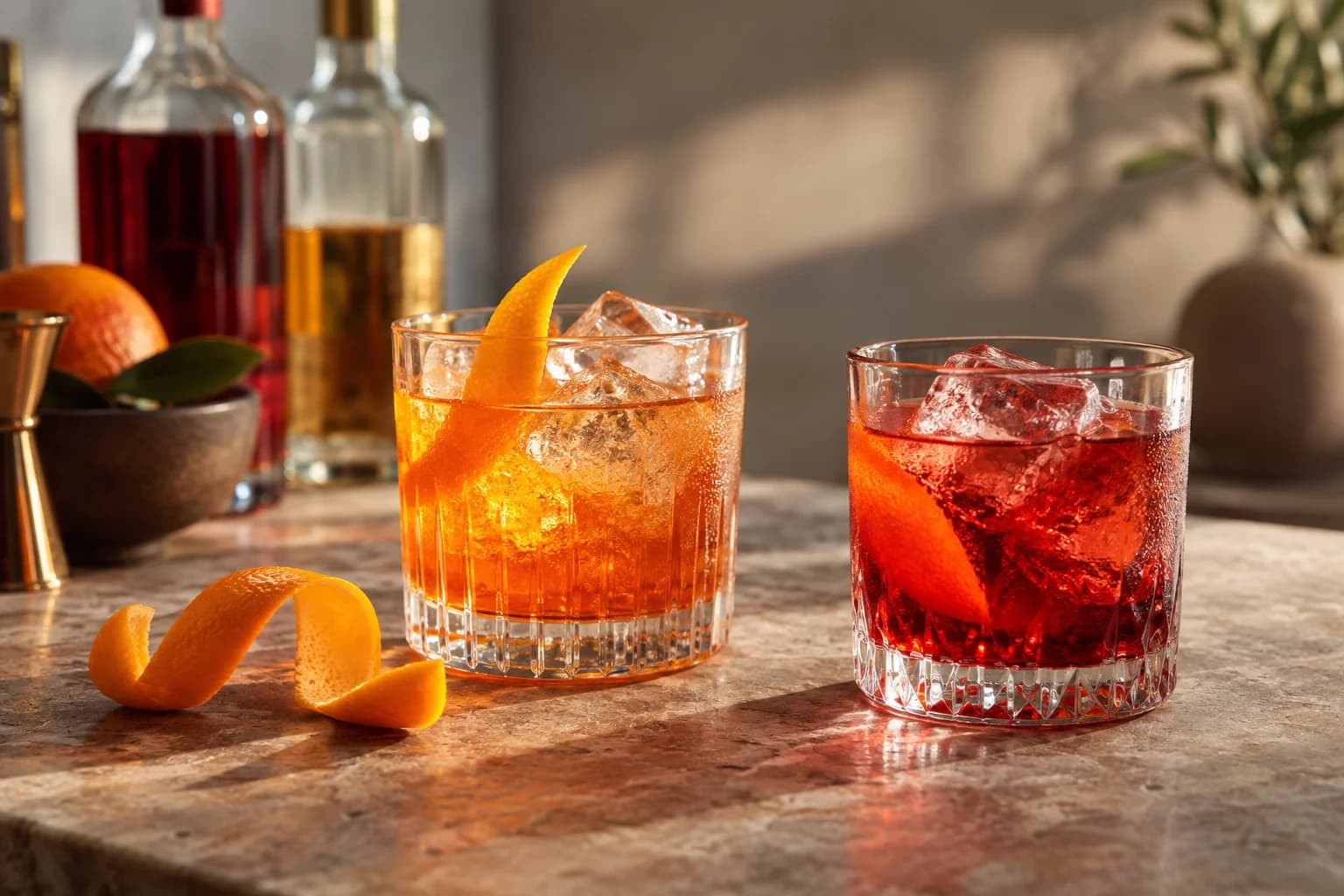
Compare Aperol and Campari by flavour, bottle strength and the cocktails they make. Choose for a Spritz, Negroni or Americano with measured recipes.

Make three Baileys cocktails with espresso, tequila or a blender. Use producer recipes with exact measures and choose by the ingredients you own.

Choose red wine for mulled wine by grape, body, oak and the recipe you plan to make. Compare WSET advice with our single-serving Shiraz recipe.

Compare club soda, tonic water, seltzer and sparkling mineral water. Choose the right mixer for gin, vodka or Scotch and keep the bubbles for serving.

Is Cointreau a triple sec? Yes. Triple sec is a style of orange liqueur and Cointreau is one brand of it, at 40% ABV. See which to pour in a Margarita.

Compare ginger beer and ginger ale, then choose a mixer for a Moscow Mule, Dark n Stormy, Shirley Temple or punch. Read the label before swapping.

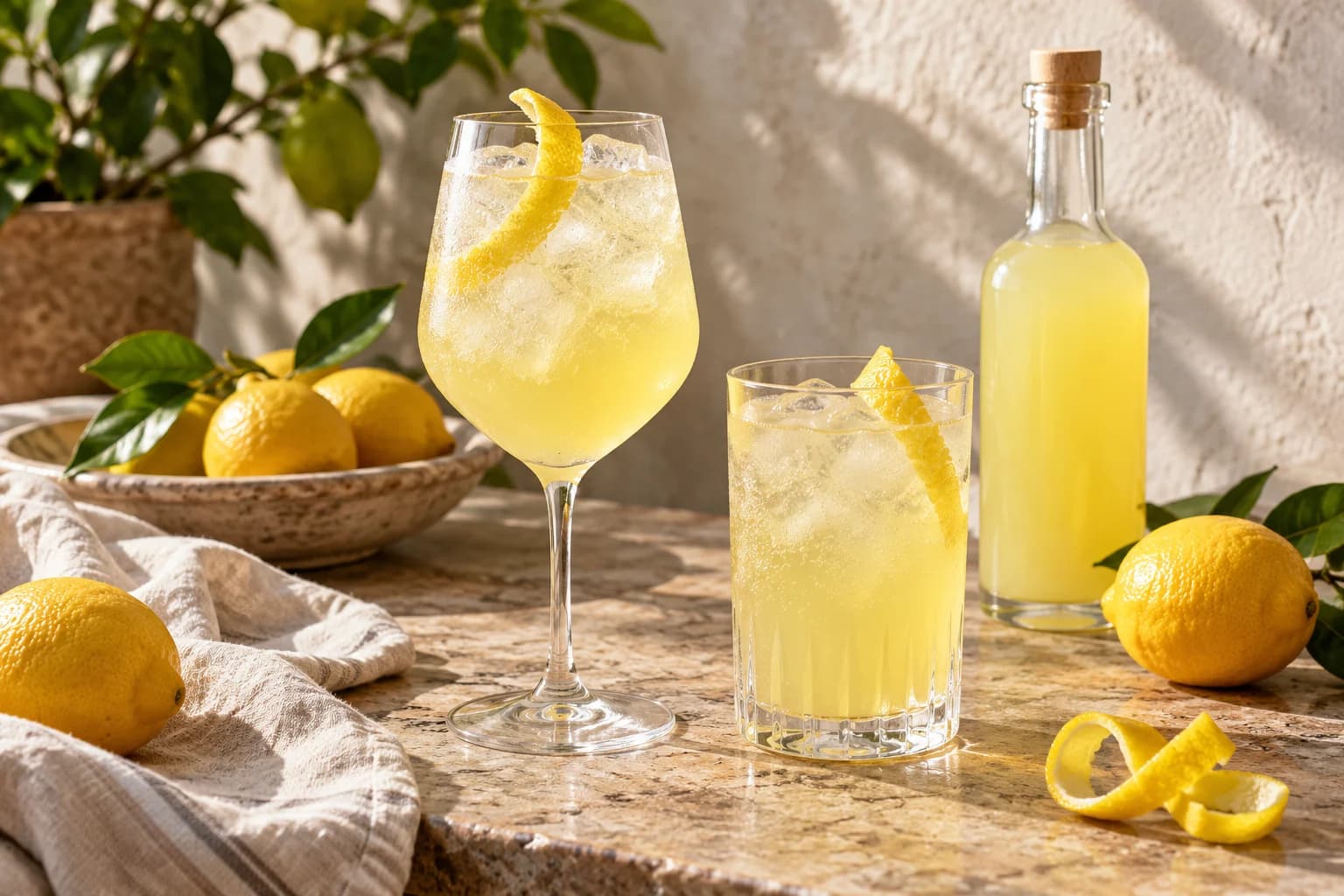
Make limoncello cocktails from three Pallini recipes: a Spritz, Lemon Cream Soda and Amalfi Mule. Get measures, methods and a short shopping list.

Choose sweet or dry vermouth for Manhattans, Negronis and Martinis. Read rosso, rouge and bianco labels and work out how much vermouth you need.

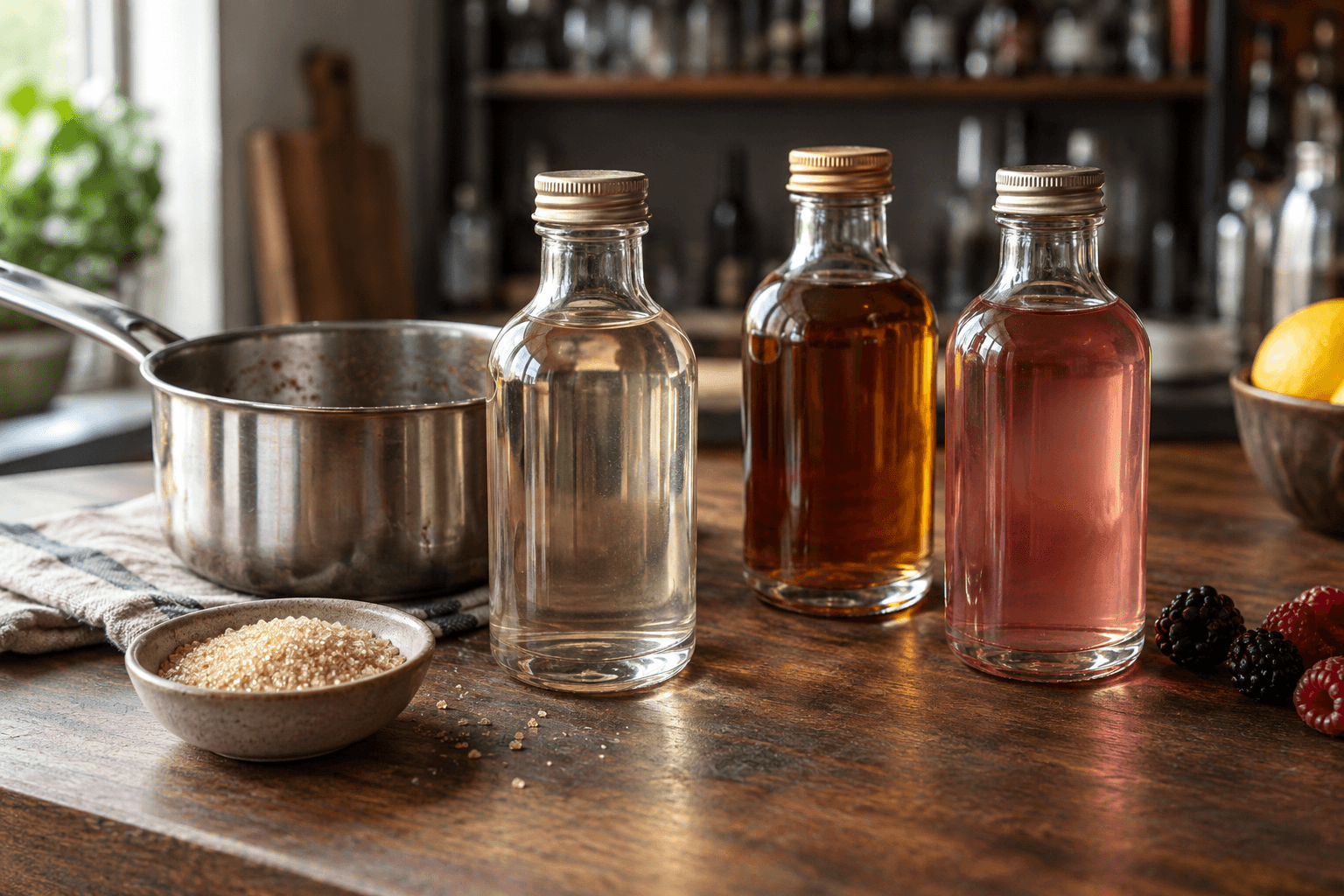
Make simple and rich syrup, try flavoured variations, and learn how to store homemade batches without relying on unsupported shelf-life claims.

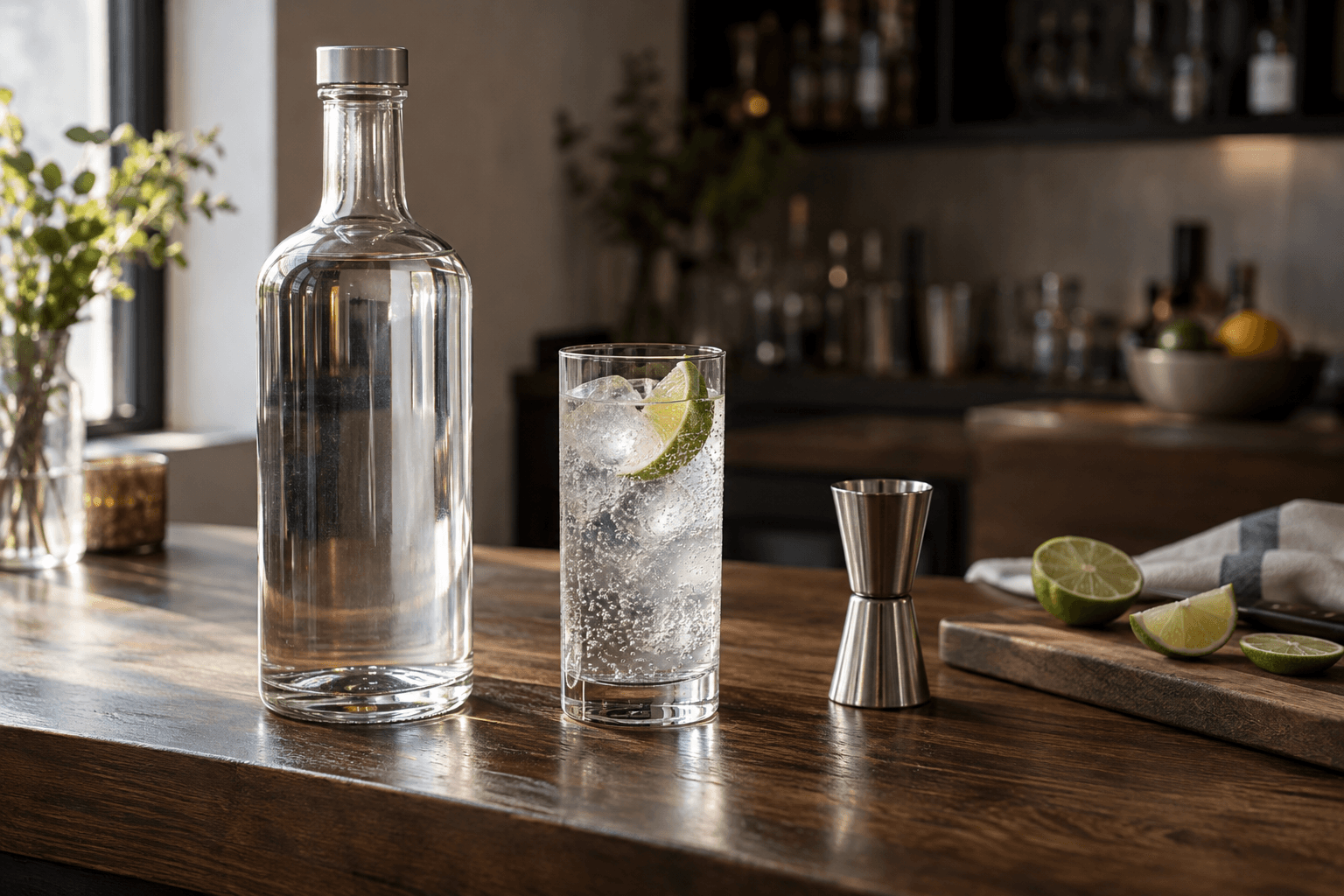
Learn about vodka ingredients and production, compare styles and use vodka in Moscow Mules, Martinis and Espresso Martinis.